


















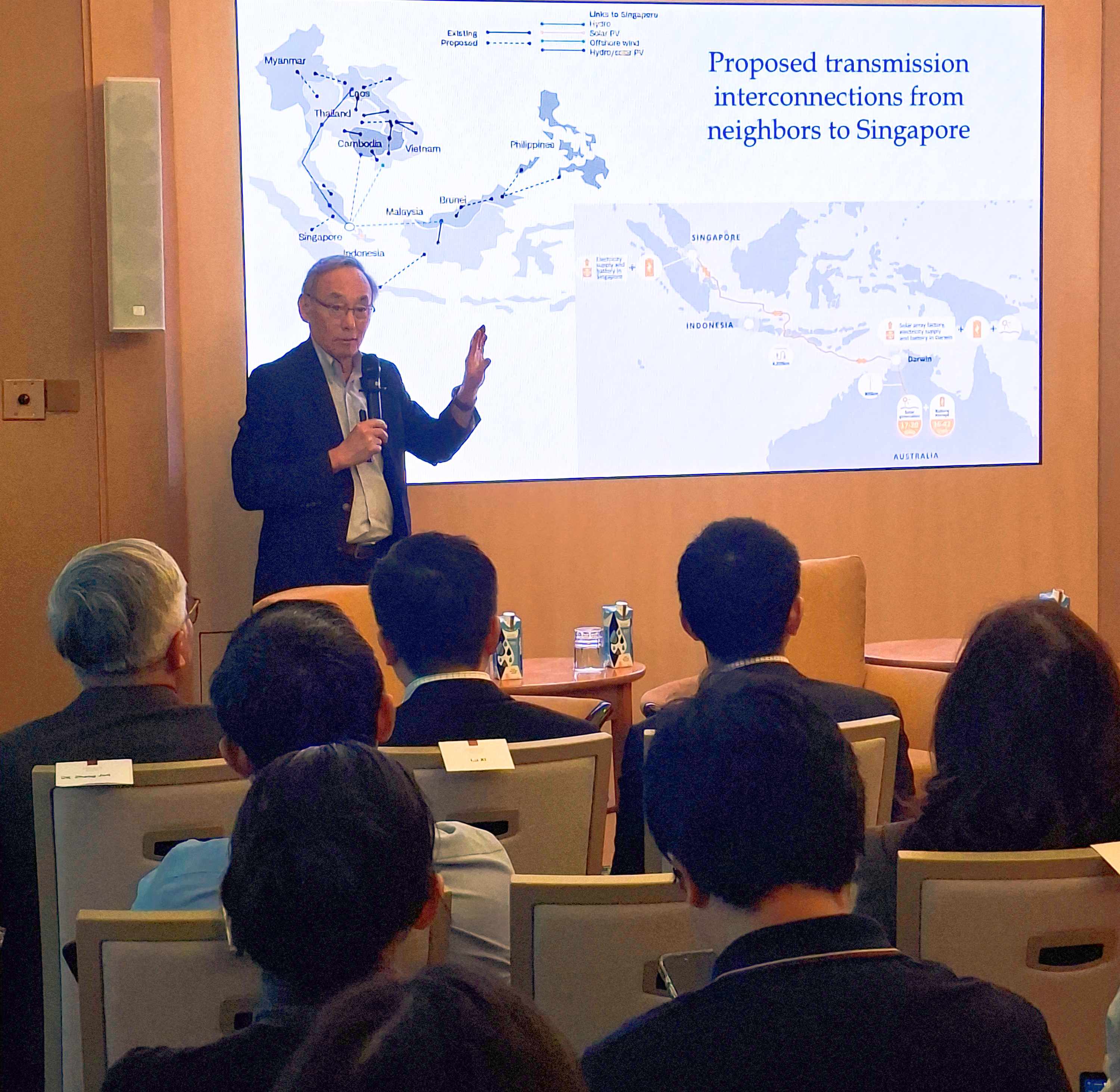
(Singapore, 09.12.2025) Distrust among some Asean members, resource constraints, and insufficient understanding of sustainable energy options—such as nuclear power—continue to hinder the development of shared energy proposals in the region. For now, China takes the initiative to be the leading driver of green energy development in Southeast Asia. These insights came during a talk by a Nobel laureate in physics.
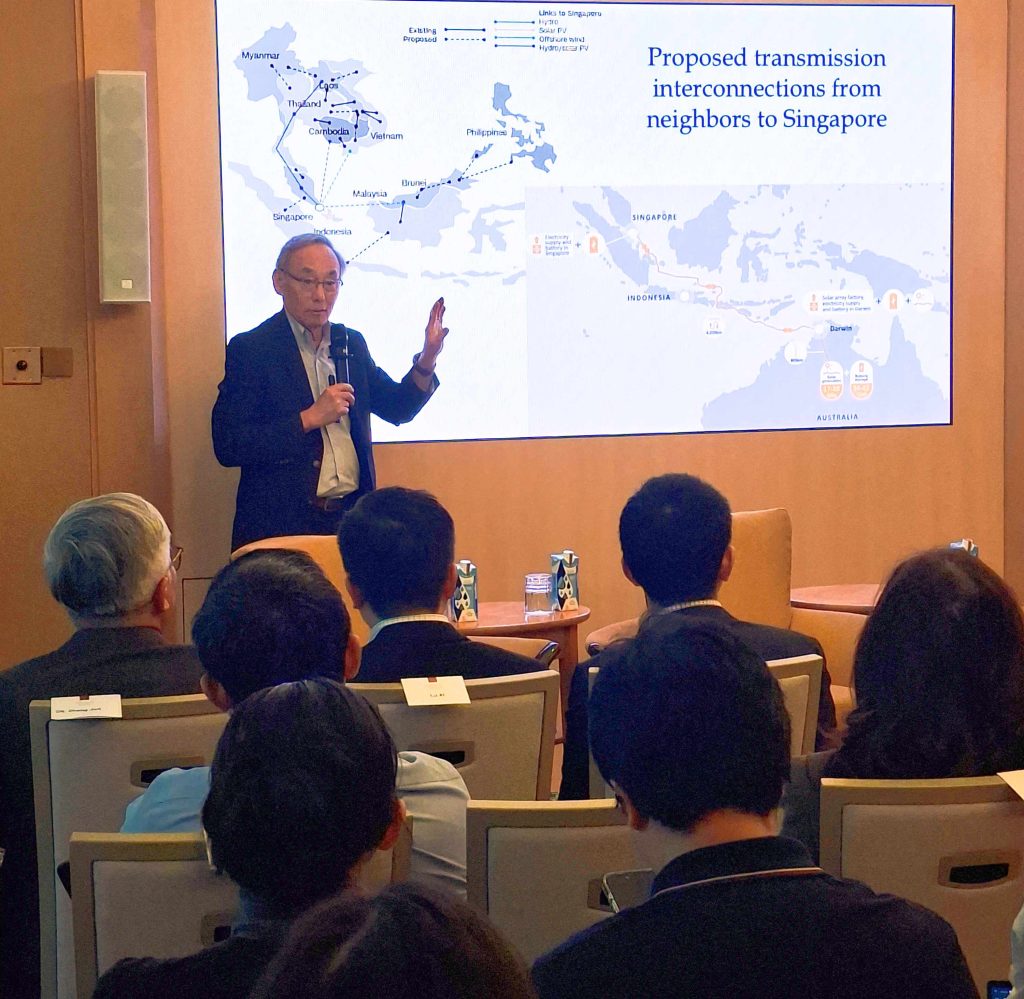
Professor Steven Chu, who earned his Nobel Prize in 1997, opened the Fortune Times–organized talk with a stark warning: the world is waging a difficult battle against global warming, and to achieve “zero emissions” implies eliminating every source of greenhouse gases—from the production of steel, concrete, plastics, chemicals, and textiles to all forms of transportation.
“That is not realistic,” said Prof Chu, who also served as the United States Secretary of Energy during President Barack Obama’s administration.
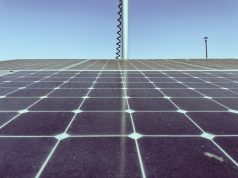
Although green energy sources are much cheaper than fossil fuels, their supply can be vulnerable to disruptions—for example, seasonal storage at hydroelectric dams is limited. “When you’re at 20% renewables, that inconsistency doesn’t matter. But when the share rises to 50%, 70%, even 80%, it becomes a serious concern,” he warned.
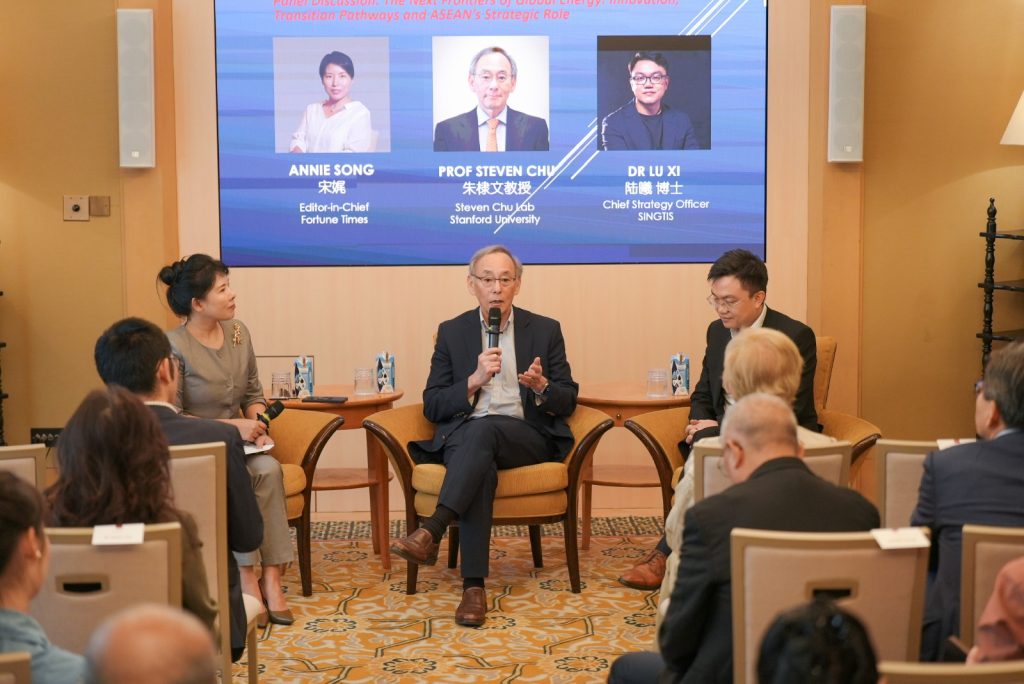
It was during the panel discussion that Prof Chu, joined by Dr Lu Xi, Chief Strategy Officer of SINGTIS Group, was steered to converse on how Asean might establish itself as a hub for green energy despite political, social and technological challenges.
Prof Chu spoke at length about the option of nuclear energy, which he described as an elusive “renaissance.” He noted that many people instinctively view it as dangerous and potentially catastrophic.
“If you think of Singapore, you do not want a big contamination issue here,” the professor pointed out. However, in the last few years the Singapore government has stepped up efforts to study whether nuclear power could work for the city-state. The decision is pending.
“But the likelihood of death from a nuclear leak is extremely low—that risk isn’t really part of the equation. Technically, it’s quite simple to build a small, modular reactor with sufficient heat capacity,” Prof Chu continued. “The nuclear core is embedded in enough water to prevent melting. We call this design ‘walk-away safe.’”
Dr Lu observed that Asean’s shared energy initiatives often stall. He pointed to earlier agreements among Laos, Thailand, Malaysia, and Singapore – meant to transmit electric power from Laos to Singapore – that were never carried out. He explained that entrenched interest groups make regional energy integration difficult to achieve.
The inaction or incapacity of many Southeast Asian countries created a vacuum for Chinese manufacturers and investors to fill. “It is Chinese private integrated energy solution providers—not state-owned enterprises—that have begun participating in significant manufacturing projects in Malaysia,” Dr. Lu emphasized. “Manufacturers establish a presence first; energy enterprises follow afterward.”
“Therefore, Chinese energy suppliers are now directly engaging with influential manufacturers in Malaysia, where conditions are favorable. In contrast, for other countries like Indonesia, unstable policies make Chinese energy investment inflows weaker,” Dr Lu continued.
He underlined that Southeast Asia countries have different comparative advantages, meaning they do not concentrate all their efforts on a single green energy source. “Even within Malaysia, the situation varies: Western Malaysia has limited hydropower resources, while East Malaysia boasts significant hydropower potential.”
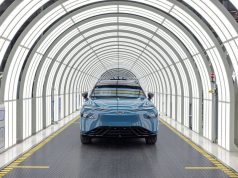
Dr Lu downplayed the hype surrounding Johor’s emergence as a data center hub, instead highlighting the influx of Chinese battery manufacturers into Malaysia and Indonesia. “Among the top 10 Chinese battery manufacturers, three are in Indonesia, while six have already set up shop in Malaysia,” he noted.
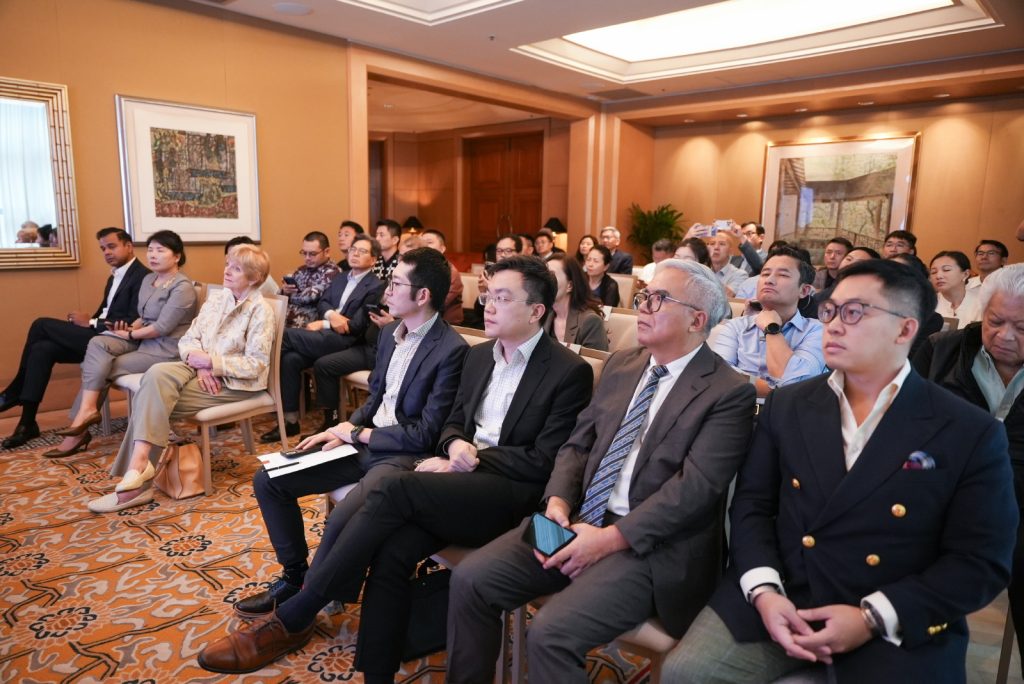
Answering a question from the floor, Prof Chu said he had watched China came to the realization that it could not compete with the US in the cost of fossil energy. “They’re not going to be able to compete industrially. So, I watched their wheels turn towards green energy. They are a big country and have lots of resources so they can do this,” the professor remarked.