


























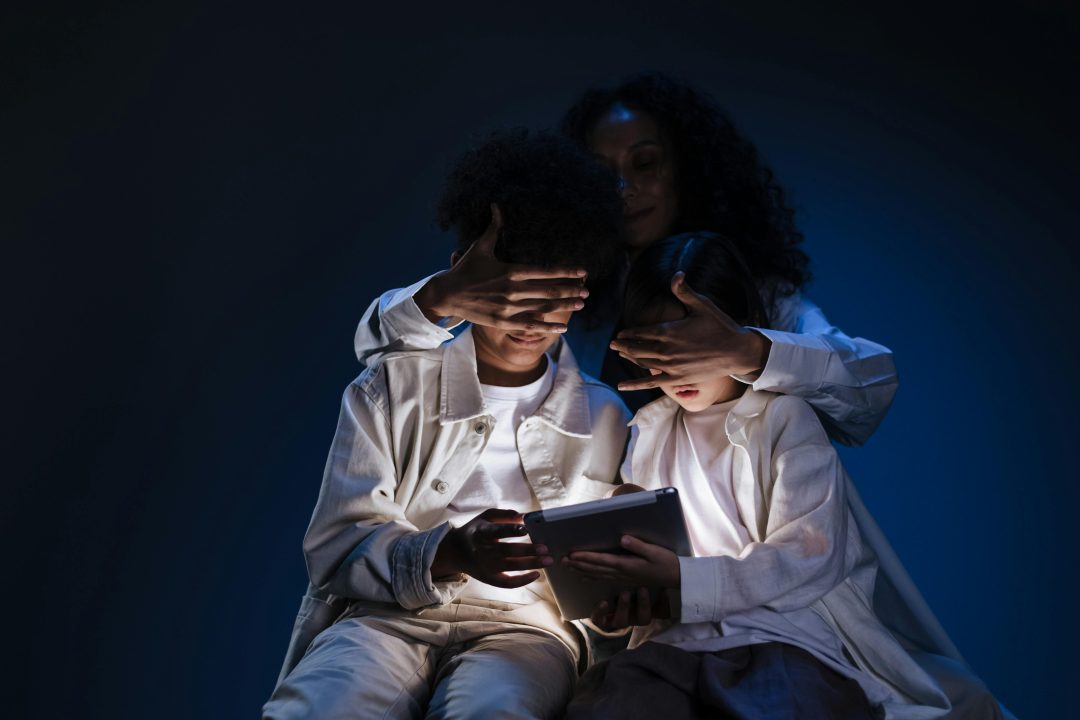
(Singapore, 10.12.2025)Australia on Wednesday became the first democracy to enforce a nationwide ban preventing children under 16 from having social media accounts — a sweeping move that has captured attention from governments around the world as concerns over online harm grow.
The new law, passed in 2024, requires platforms including TikTok, Instagram, Facebook, Snapchat, YouTube, X, Reddit and Threads to keep under-16s off their services. Companies that fail to do so could face fines of up to A$49.5 million (S$42.61 million). While the rules do not punish kids or parents directly, they place heavy responsibility on tech firms to verify and monitor users’ ages.
Prime Minister Anthony Albanese hailed the shift as a “profound reform” that will help children reclaim their childhoods. “This will change lives for Australian kids, allowing them to just be kids,” he said in Sydney.
Global Spotlight on Australia’s New Digital Era
The ban lands at a moment when governments worldwide are seeking ways to shield young people from toxic content, bullying, grooming and the mental-health effects of endless online scrolling. Policymakers from Indonesia to Denmark and Brazil have been closely monitoring Canberra’s approach and say they may introduce similar limits.
Indonesia has already proposed requiring anyone under 18 to obtain parental approval before using social media. A tech company representative reportedly warned the government such rules would be a “disaster” — to which officials replied, “The disaster is happening already. Look at our children.”
In Europe, senior officials say Australia may be setting the pace. European Commission President Ursula von der Leyen previously said she had been “inspired” by Australia’s example. Singapore has also been studying similar age restrictions and has discussed the policy with Australian regulators.
What Exactly Is Banned?
Although most social media apps technically set 13 as their minimum age, Australian regulators argue this threshold has been too easy to bypass. The new rules bar any under-16s from creating accounts on the nine specified platforms. While kids can still browse content without logging in — where a platform permits that — they can no longer post, comment or message.
But not all apps are affected. Services such as Discord, GitHub, Roblox, Steam, Google Classroom, WhatsApp, Messenger and YouTube Kids are exempt for now because they are not classified as primarily social-interaction platforms. The list can be updated as apps evolve.
Platforms will rely on a mix of age-verification tools — from scanning documents to using biometric checks like facial analysis or voice patterns, and even analyzing online behavior. Still, tech companies argue that distinguishing a 15-year-old from a 17-year-old using only digital signals is far from straightforward.
The government acknowledges the system won’t be perfect. The goal isn’t to catch every underage user, but to make sure companies take “reasonable steps,” avoid systemic failures, and invest in better safety measures.
Teens Already Seeking Workarounds
Even before the ban took effect, young Australians were exploring alternative platforms not covered by the age restrictions. On Wednesday morning, apps like ByteDance’s Lemon8 and the short-form social app Yepo shot up Apple’s App Store charts.
Chinese-owned Rednote — known internationally as Xiaohongshu — saw its Australian user numbers climb 37% in the week leading up to Dec. 1 compared with a year earlier, according to SensorTower. US-based Coverstar, which markets itself as a safe app for Generation Alpha, recorded a 488% surge in usage over the same period.
VPNs are also booming. Data from Top10VPN showed demand in Australia jumped 103% on Sunday compared to the previous month’s daily average, suggesting some teens may be preparing to access banned apps by masking their locations.
Some young users took to TikTok on Tuesday — possibly for the last time from their existing accounts — using the hashtag #socialmediaban to vent frustrations or, in some cases, voice support. While one 14-year-old influencer criticized the law, many commenters cheered the new rules, saying they hoped younger teens would face fewer risks online.
A YouGov poll conducted when the law was passed found that 77% of Australians support the ban. Parents’ groups and child-safety advocates have also welcomed the move, saying they hope it will curb cyberbullying and reduce exposure to harmful material.
But critics argue the law may simply push teens into less regulated corners of the internet. UNICEF warned that blocking mainstream platforms could unintentionally drive young people toward riskier sites. Some academics argue the ban targets the wrong issue by focusing on age access instead of tackling harmful content and the algorithms that serve it.
Privacy advocates are also uneasy. Age-verification systems that rely on biometric identification — such as facial scans — raise questions about data security. The government counters that its trials have shown age checks can be “private, robust and effective.”
For tech firms, the effects could be significant. Australia’s eSafety Commissioner estimates that 95% of Australians aged 10 to 15 have at least one social media account — roughly 2.5 million users who are now no longer accessible to advertisers.
More importantly, if Australia’s model spreads globally, platforms such as TikTok, Meta and YouTube could lose an entire generation’s early engagement — a key pipeline for future revenue and long-term loyalty.
For young Australians, the ban represents a dramatic shift in how they grow up online. For some, it may feel like losing a vital space for connection. For others, it could bring welcome relief from the pressures and dangers of digital life.
As Prime Minister Albanese put it: “Even if it’s not perfect, it’s too important not to try.” Many countries are watching closely to see whether Australia’s bold experiment becomes the new global norm.