
























(Singapore, 29.12.2025)Hong Kong’s bond market is expected to enter a new phase of expansion in 2026, with increased issuance across multiple currencies and a stronger focus on yuan-denominated products, driven by shifting global investment trends and fresh policy support from regulators.
According to an SCMP report, industry participants see growing demand for non-US dollar assets as geopolitical tensions reshape capital flows and investors seek greater diversification.
A key driver behind this momentum is a new road map jointly introduced by the Hong Kong Monetary Authority (HKMA) and the Securities and Futures Commission (SFC) in September. The blueprint aims to strengthen Hong Kong’s position as a leading international bond hub by expanding yuan-linked products, improving market infrastructure, and broadening the investor base for fixed-income securities.
Some of the initiatives under the road map are already taking shape. One notable development was the launch of cross-border repurchase (repo) transactions at the end of September, allowing offshore investors to access yuan liquidity more efficiently.
According to the HKMA, further enhancements are scheduled for 2026, including a move from manual to automated collateral management for repo transactions starting February 2, a step expected to significantly improve operational efficiency and risk management.
Market participants view the road map as an important signal of long-term commitment by regulators. John Lee Chen-kwok, vice-chairman and co-head of Asia coverage at UBS in Hong Kong, said the plan provides a clear direction for the future development of both the bond market and currency trading in the city.
He noted that Hong Kong’s bond market has already seen strong growth over the past two years and is expected to continue expanding in 2026. Major issuers such as the Airport Authority Hong Kong, Urban Renewal Authority, MTR Corporation, Hong Kong Mortgage Corporation, and the Hong Kong government itself have played a central role in deepening market liquidity and scale.
Bond issuance in Hong Kong has also become increasingly diversified. According to Lee, the market now sees a healthy mix of Hong Kong dollar, yuan, and US dollar-denominated bonds. This trend has been supported by government promotion efforts and the success of Bond Connect, which allows international issuers to tap mainland Chinese investors through Hong Kong’s financial infrastructure.
The numbers reflect this growing momentum. Hong Kong dollar bond issuance reached a record HK$331 billion (S$54.7 billion) as of November, representing a nearly 37 per cent increase compared with the full-year total of HK$242 billion in 2024. Meanwhile, yuan-denominated “dim sum” bond issuance hit 475 billion yuan (S$78.5 billion) by August and was on track to exceed the previous annual record of 700 billion yuan.
Beyond traditional bonds, the road map also highlights the importance of digitalisation. Plans for an electronic trading platform are seen as critical to supporting tokenised bond issuance and the development of a more efficient digital bond market. Industry players believe such infrastructure will help Hong Kong stay competitive as global markets increasingly embrace financial technology.
Green finance is another major growth engine for Hong Kong’s fixed-income market. According to SCMP, analysts expect green bonds to play a bigger role as Chinese and Asian issuers continue investing in environmentally sustainable projects that require long-term funding. Government data shows that Hong Kong accounted for 45 per cent, or about US$43 billion (S$55 billion), of total green bonds issued in Asia in 2024, underlining the city’s leadership in this space.
Hong Kong’s built environment is also supporting this trend. Wang Jing, vice-president of North Asia at the US Green Building Council, said the city is well positioned to promote green finance products because many commercial buildings are undergoing environmental upgrades.
In the first 11 months of 2025 alone, more than 80 buildings in Hong Kong received Leadership in Energy and Environmental Design (LEED) certification, confirming they meet international energy-efficiency standards.
Currently, around 500 properties in the city – including landmark developments such as IFC and Landmark – are pursuing LEED certification. Wang noted that green finance considerations are a major motivation, particularly when building owners seek funding from international investors or banks that increasingly prioritise sustainability criteria.
A recent example is Hong Kong Land’s HK$375 million, 10-year green bond, which was issued to finance energy-efficiency upgrades across 12 office buildings to achieve top LEED standards. According to Wang, this case demonstrates how environmental improvement projects can directly support the development of Hong Kong’s green bond market.
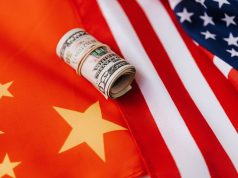
The broader global environment is also working in Hong Kong’s favour. As investors gradually shift away from US dollar assets, interest in multi-currency and yuan-denominated bonds is rising. Aaron Costello, head of Asia at Cambridge Associates, said that while many US investors remain cautious, demand from Middle Eastern and Asian investors for Hong Kong and China assets is increasing.
Costello explained that global investors are looking to reduce concentration risk linked to US equities and the US dollar. As a result, more capital could flow into Asia, including Hong Kong and mainland China, especially if the US dollar continues to weaken. Given that many global portfolios remain underweight in China and Asia, he said there is significant room for increased investment in the region.
Taken together, regulatory support, infrastructure upgrades, green finance momentum, and shifting global capital flows are positioning Hong Kong’s bond market for sustained growth in 2026. As highlighted in the SCMP report, the city appears set to strengthen its role as a key gateway for multi-currency and yuan-denominated financing in the years ahead.