



























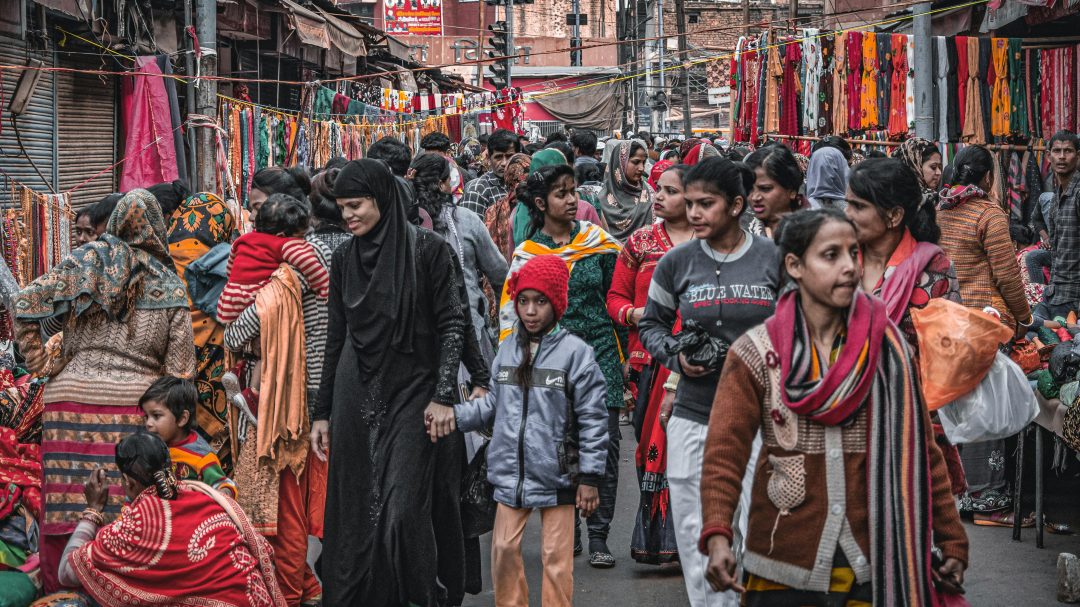
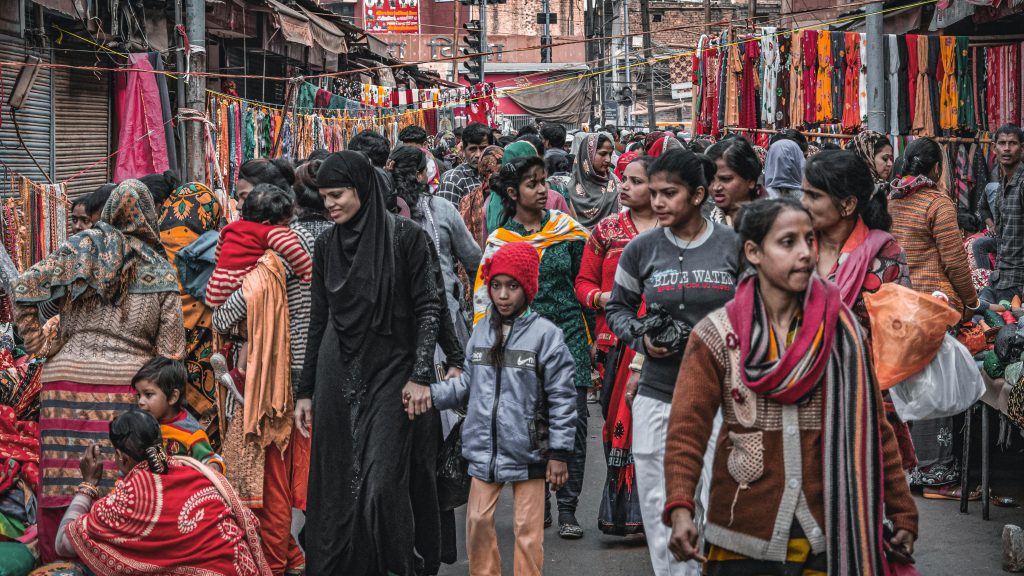
(Singapore, 30.12.2025)India’s consumer boom is no longer driven only by its largest cities. From affordable fast fashion to ten-minute grocery deliveries, companies are reshaping their products, prices and platforms to reach millions of shoppers in smaller towns — a group that was once overlooked but is now central to the country’s growth story.
The shift marks a major change in India’s consumption pattern. According to Bloomberg Business, brands are redesigning everything from pricing and product assortments to logistics and digital content to attract price-conscious yet aspirational consumers in India’s Tier 2 and Tier 3 cities.
On a weekday morning in Dehradun, a fast-growing city near the Himalayan foothills, young shoppers drift through a Zudio clothing store on Ballapur Road. The glass storefront rises above chai stalls and biryani shops just opening for business. Inside, three floors are filled with sweaters, jeans and jackets priced from about $10, sneakers for around $11, and beauty products starting at roughly $1.
“The styles are similar to what you see at Zara or H&M,” said Aditya Singh, a local resident browsing a puffer jacket. The difference is affordability and reach. Zudio, owned by India’s Tata Group, has expanded to more than 800 stores in less than a decade, largely outside major metros. Zara, by contrast, has just over 20 outlets in India, mostly in big cities.
For years, India’s discretionary spending was powered by a relatively small group of affluent, English-speaking consumers in cities like Mumbai, Delhi and Bengaluru. But as India moves toward becoming the world’s fourth-largest economy, companies are now targeting a much broader population living beyond the metros.
Even small purchases matter. A new shirt, a late-night food delivery or a streaming subscription may seem modest, but multiplied across hundreds of millions of people, these everyday decisions are becoming the battleground for India’s next phase of growth.
This group was once seen as difficult to monetize — too price-sensitive and too spread out. That view is changing as rising incomes, cheap smartphones, low-cost mobile data and improved highways connect smaller cities to the national economy. The challenge for businesses today is not demand, but how to design offerings that fit local habits, budgets and expectations.
Dehradun reflects that shift clearly. Sameer Narula, who runs a bicycle shop on one of the city’s main roads, has watched traffic swell as luxury cars now share space with compact hatchbacks and motorbikes. Professionals from Delhi and Mumbai have bought second homes here, drawn by cleaner air and a slower pace of life. Property prices have risen, cafes and pubs have appeared, and national brands are moving in alongside long-standing family-run shops.
The boom has also pulled smaller cities into India’s quick-commerce revolution. Ten-minute delivery platforms such as Blinkit, Zepto, Swiggy and Zomato now operate across much of Dehradun, delivering groceries, snacks and cosmetics within minutes. For these companies, Tier 2 and Tier 3 cities are attractive not just because of demand, but also because lower rents reduce operating costs.
Dark stores — small warehouses that power instant deliveries — can break even with fewer daily orders in smaller cities than in major metros. That makes expansion beyond big cities financially appealing, even as companies cut prices and localize their product selection.
The growth has created new jobs as well. Ankit Kumar, a 30-year-old delivery driver in Dehradun, earns about 25,000 rupees a month — more than he did selling vegetables in his hometown. Unlike Delhi, Dehradun allows him to work while staying close to family, thanks to better roads and connectivity. “It’s convenient,” he said. “I can reach home in an hour.”
While some analysts worry about a quick-commerce bubble, industry observers say the sector still has room to grow. It currently reaches only a small share of India’s nearly 19,000 postal codes. In smaller cities, delivery speed is also less critical. Anything under 30 minutes already feels fast to many customers.
The same trend is playing out online. E-commerce company Meesho, whose customers largely live outside India’s biggest cities, recently surged in a strong stock-market debut. Streaming platforms have also adapted. Netflix cut prices, introduced mobile-only plans and invested heavily in regional-language content. Amazon Prime Video followed a similar path, adding cheaper tiers and expanding its reach in smaller towns through ad-supported platforms.
India’s most popular shows increasingly reflect local life. Series and films rooted in village and small-town settings have become nationwide hits, showing how deeply audiences connect with familiar stories, languages and settings.
This local focus is spreading offline as well. As domestic travel grows, demand is rising for affordable and reliable accommodation. Indian Hotels Company, long known for its luxury Taj brand, is expanding its Ginger Hotels chain to serve more budget-conscious travelers in smaller cities.
Challenges remain. India is deeply unequal, and a relatively small share of households still accounts for most discretionary spending. Global brands that fail to adapt often struggle, as seen in the uneven experiences of several international names trying to crack the Indian market.
Still, the direction is clear. India’s consumer economy is no longer shaped only by its biggest cities. In places like Dehradun and hundreds of others like it aspiration shows up in everyday choices: affordable fashion, instant delivery and local stories on screen.
As companies follow these habits deeper into the country, India’s next billion consumers are steadily coming into focus.