
























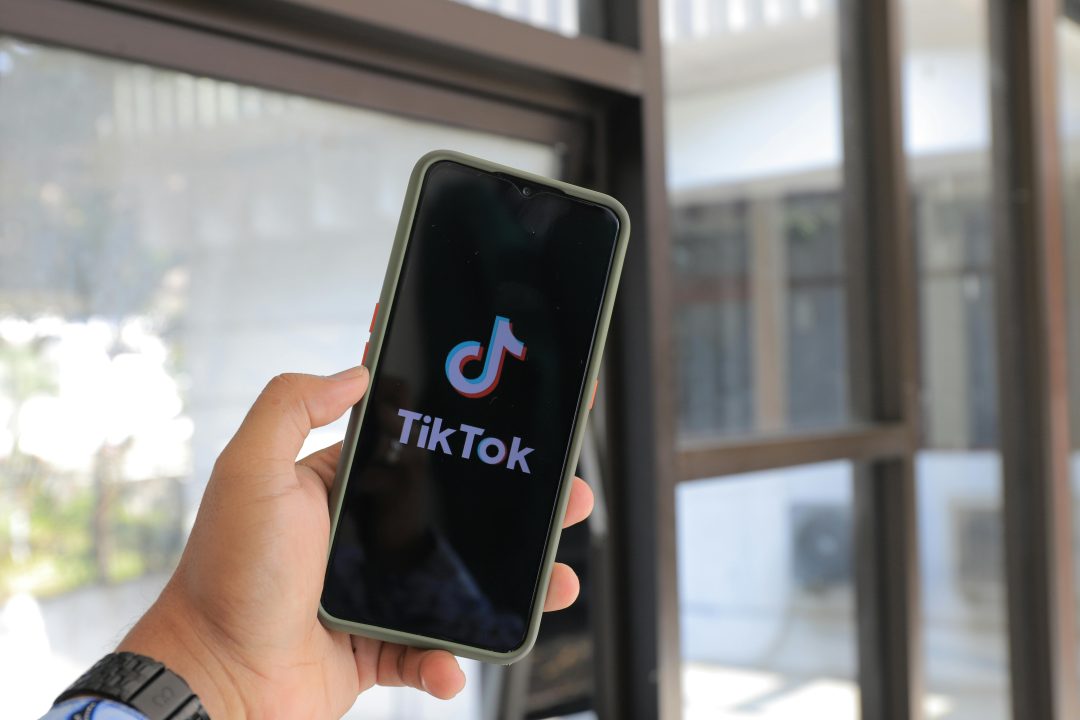
(Singapore, 23.01.2026)After nearly five years of political brinkmanship, regulatory pressure and market anxiety, TikTok has finally locked in a future for its US business — and in doing so, reshaped one of the most closely watched technology assets in the world.
The short-video platform said it has completed a deal to place its US operations into a new, majority American-owned venture, bringing an end to the threat of a nationwide ban that has loomed over the app since 2020. For advertisers, investors and millions of creators who depend on TikTok for income, the agreement restores a level of certainty that had been missing for years.
At the center of the transaction is a newly established US entity backed by a consortium led by Oracle, private equity firm Silver Lake Management and Abu Dhabi-based investment company MGX. Each holds a 15% stake and acts as a managing investor, giving American and allied capital effective control of TikTok’s US operations.
Together with other global investors, including family offices and institutional backers, the consortium owns 80.1% of the venture. Chinese parent ByteDance retains a 19.9% stake, narrowly within the limits set by US national security legislation passed in 2024.
From a business perspective, the deal is less about ownership percentages and more about preserving one of the most valuable consumer platforms in the US. TikTok is used by roughly 200 million Americans and has become a critical advertising channel for global brands, small businesses and political campaigns alike. Any disruption to its operations would have sent shockwaves through the digital advertising market.
The agreement also resolves a compliance standoff triggered by a US law that ordered ByteDance to divest majority control of TikTok’s US assets or face a ban. Although the original deadline expired in early 2025, President Donald Trump repeatedly extended it after returning to office, signaling his preference for a negotiated outcome rather than an outright shutdown.
That outcome now appears to satisfy Washington’s core demand by separating TikTok’s US user data and content governance from Chinese control. The new US entity will handle content moderation, data security and cybersecurity oversight, and will be governed by a seven-member board with an American majority.
Operational leadership is also being localized. Adam Presser, formerly TikTok’s head of operations, trust and safety, has been appointed chief executive of the US venture, while TikTok’s global chief executive, Shou Chew, retains a board seat and continues to run ByteDance’s worldwide business.
For Oracle, the deal strengthens its position as a trusted infrastructure provider to politically sensitive technology platforms. Already TikTok’s cloud partner, Oracle will now act as a compliance and security overseer, hosting US user data and the recommendation algorithm within its US-based cloud environment. The role deepens Oracle’s ties to the federal government and reinforces its credentials in regulated industries.
The algorithm itself, widely regarded as TikTok’s most valuable asset, sits at the heart of the commercial logic. Under the agreement, the US entity will retrain, test and update the recommendation system using American user data. ByteDance will lease a version of the algorithm to the US business, while being cut off from US data and day-to-day control.
That structure attempts to balance regulatory demands with economic reality. TikTok’s algorithm drives engagement, advertising effectiveness and, ultimately, revenue. Stripping it entirely from ByteDance would have significantly reduced the value of the business and likely made a deal impossible.
Even so, the valuation attached to the transaction has raised eyebrows. US Vice President JD Vance previously said the deal values TikTok’s US business at about $14 billion, far below earlier estimates of $35 billion to $50 billion. On a price-to-sales basis, the figure puts TikTok closer to mature, low-growth companies than to high-growth tech peers such as Meta or Alphabet.
That discount reflects political risk as much as financial performance. While TikTok’s US operations generate more than $10 billion in annual revenue, profitability remains elusive, and regulatory oversight is expected to remain intense. For investors, the focus is less on rapid expansion and more on stabilizing cash flows from advertising, live streaming and e-commerce.
ByteDance, meanwhile, appears to have preserved more economic exposure than the ownership numbers suggest. The company is expected to retain control over key revenue-generating activities such as advertising sales and TikTok Shop, its fast-growing e-commerce arm. The new US venture will provide backend technology and data services and receive a share of revenue in return.
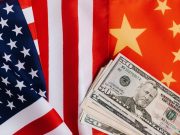
From a broader business perspective, the deal removes a major geopolitical overhang not just for TikTok, but for US-China tech relations. TikTok had become a symbol of decoupling risks, with its fate closely watched by companies operating across both markets.
For brands, creators and investors, the agreement removes a prolonged period of uncertainty that had forced many to prepare for potential disruption. The deal also confirms TikTok’s continued presence in the US digital economy, though under heightened regulatory oversight and a more complex ownership structure.
Under the new arrangement, TikTok’s US operations will proceed with clearer governance and compliance requirements, marking a shift from years of legal and political risk toward a more stable operating framework.