


























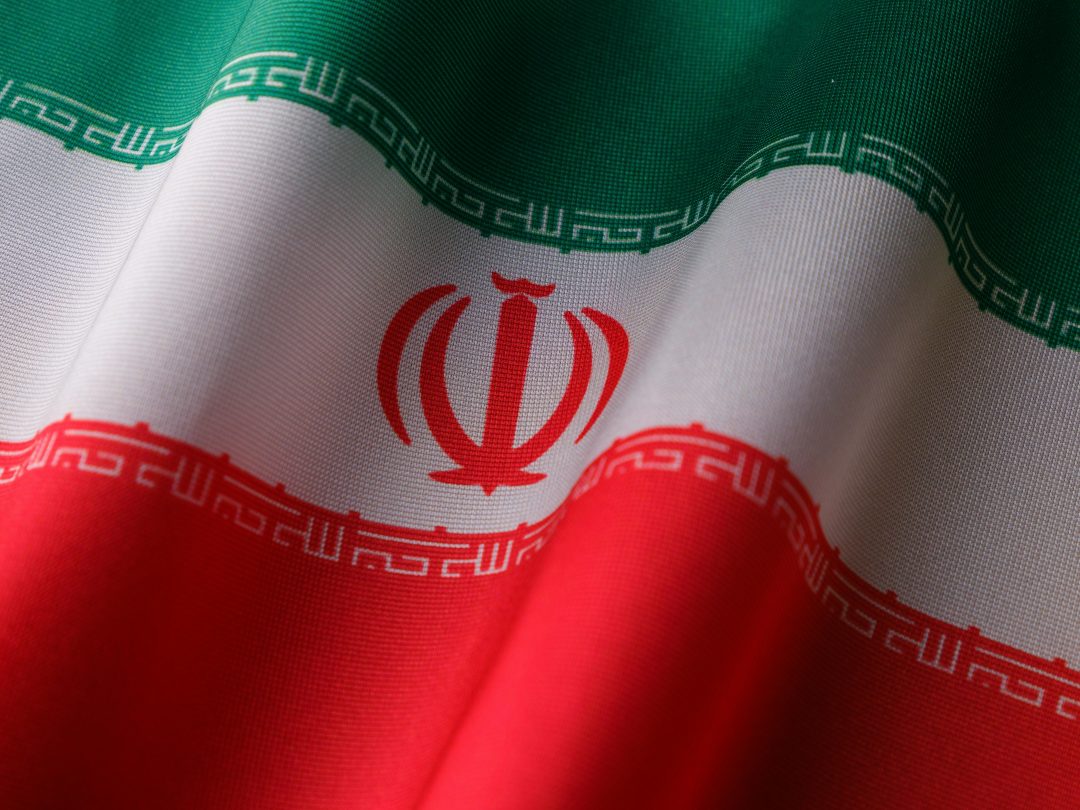
(Singapore, 08.04.2026)A surprise two-week ceasefire between the United States and Iran has eased global tensions and sparked a sharp rebound in financial markets, even as key details of the agreement remain unclear and risks of renewed conflict persist.
The temporary truce, announced by US President Donald Trump just hours before a military escalation deadline, is expected to pause ongoing attacks and reopen the critical Strait of Hormuz, a vital route for global oil and gas supplies. The agreement follows weeks of intense conflict that have killed thousands and severely disrupted energy markets worldwide.
A fragile pause with unclear scope
Under the deal, Washington agreed to suspend its military campaign for two weeks, while Iran signaled it would allow limited safe passage through the Strait of Hormuz during the same period. Iranian Foreign Minister Abbas Araghchi said transit would resume in coordination with Iranian forces and subject to “technical limitations.”
The ceasefire creates a narrow window for negotiations, with mediators including Pakistan’s Prime Minister Shehbaz Sharif pushing both sides toward a longer-term agreement. Talks are expected to continue in Islamabad in the coming days.
However, the scope of the ceasefire remains uncertain. Israel has agreed to pause strikes on Iran but indicated that its operations in Lebanon may continue, creating confusion over whether the truce applies across the wider region.
Adding to cautious optimism, an Iran-linked militia coalition in Iraq announced it would halt attacks for the same two-week period, suggesting a broader, though informal, de-escalation across multiple fronts.
Markets surge, oil plunges
Markets reacted immediately to the news. Oil prices recorded their sharpest drop in years as traders priced in the potential reopening of energy flows.
Brent crude fell to around $95 per barrel, while US benchmark West Texas Intermediate tumbled as much as 19% at one point, marking its biggest decline in nearly six years. The sharp drop reflects expectations that supply disruptions through the Strait of Hormuz, which handles roughly a fifth of global oil shipments, could soon ease.
At the same time, global equities rallied strongly, with Asia-Pacific stocks rising more than 4% and US and European futures posting solid gains. Investors were encouraged by the prospect that easing energy prices could help curb inflation and support economic recovery.
Bond markets also rallied, as falling oil prices raised expectations that central banks, particularly the US Federal Reserve, may have room to cut interest rates later this year.
Beyond financial markets, the ceasefire could have immediate real-world impact on global trade. More than 800 vessels have been stranded in or around the Persian Gulf due to safety concerns during the conflict.
Shipowners are now assessing whether the temporary truce provides a safe opportunity to move these vessels. The backlog includes hundreds of oil tankers and liquefied natural gas carriers, as well as cargo ships carrying agricultural and industrial goods.
However, industry experts warn that normal operations will not resume overnight. Shipping companies, insurers and crews remain wary after weeks of attacks, and confidence will take time to rebuild. Around 20,000 seafarers are believed to be stuck onboard, facing fatigue and supply shortages.
Relief for now, but risks remain
The easing of geopolitical tensions triggered a broader rally across asset classes. Bitcoin rose to a three-week high, while other cryptocurrencies also posted gains. Gold climbed above $4,800 an ounce, and the US dollar weakened slightly, all pointing to improving risk sentiment.
Despite the optimism, analysts stress that the ceasefire is only a temporary measure and does not address the deeper causes of the conflict. Key issues, including Iran’s nuclear program, missile capabilities and long-standing sanctions, remain unresolved.
Even the reopening of the Strait of Hormuz is not guaranteed. While both sides have signaled intent, the exact conditions, timing and enforcement mechanisms are still unclear.
“This is a pause, not peace,” one analyst noted.
Markets are likely to remain highly sensitive to new developments. Any sign that the ceasefire could collapse, especially if attacks resume or shipping routes remain unsafe, could quickly reverse recent gains in stocks and trigger another spike in oil prices.
Attention is now focused on how the two-week window unfolds. Whether the fragile truce leads to further progress in talks or merely pauses the conflict will be closely watched, with implications for the global economic outlook in the weeks ahead.