

























(Singapore, 05.01.2026)China’s access to Venezuelan crude oil is facing fresh uncertainty following the United States’ sudden intervention in the South American country, yet the immediate impact on Chinese refiners is expected to be limited. Large volumes of sanctioned oil already sitting in tankers at sea are likely to cushion the blow in the months ahead, analysts say.
Over the weekend, US forces captured Venezuelan President Nicolás Maduro, marking a dramatic escalation in Washington’s long-standing confrontation with the oil-rich nation. US President Donald Trump later said America would effectively take charge of Venezuela’s oil industry, with US companies leading efforts to rebuild production and sell crude to global markets. While Trump said oil would be sold to both existing and new customers, he made no direct reference to China, Venezuela’s biggest buyer in recent years.
According to Bloomberg, Venezuela has served as a niche supplier rather than a core pillar of China’s energy imports. Venezuelan crude accounted for about 4% of China’s total oil imports last year, but it offers a distinct advantage: a heavy, high-sulfur grade that is well suited for producing bitumen, a key material used in road construction and infrastructure projects. The crude is also sold at deep discounts due to international sanctions, making it especially attractive to China’s independent refiners, commonly known as “teapots.”
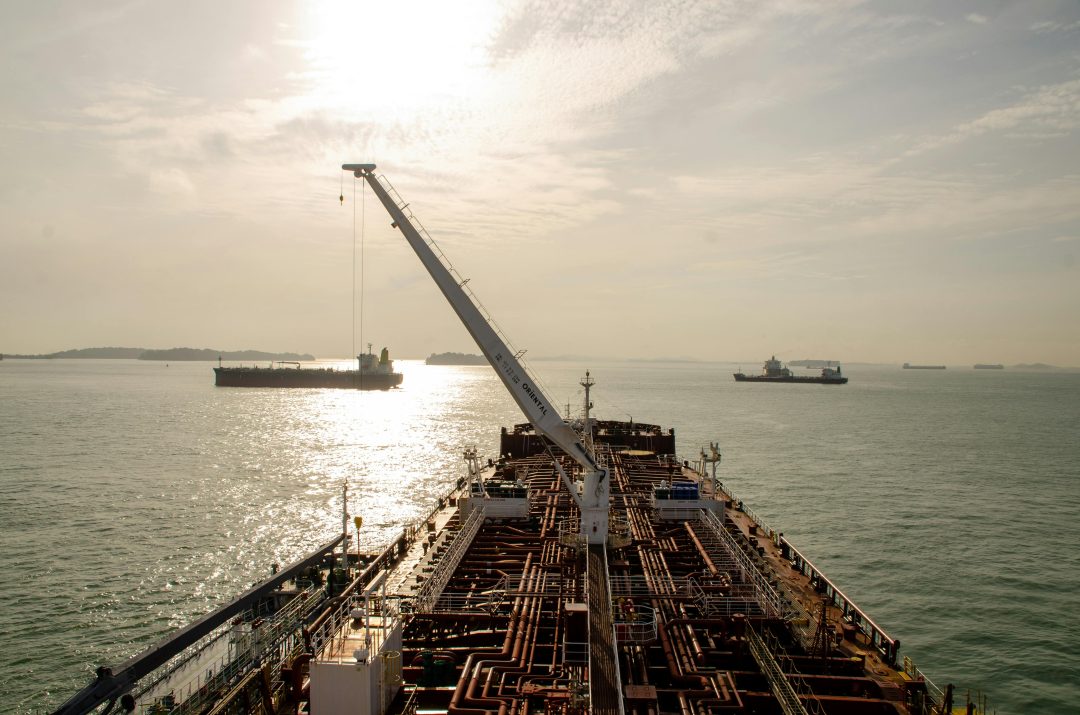
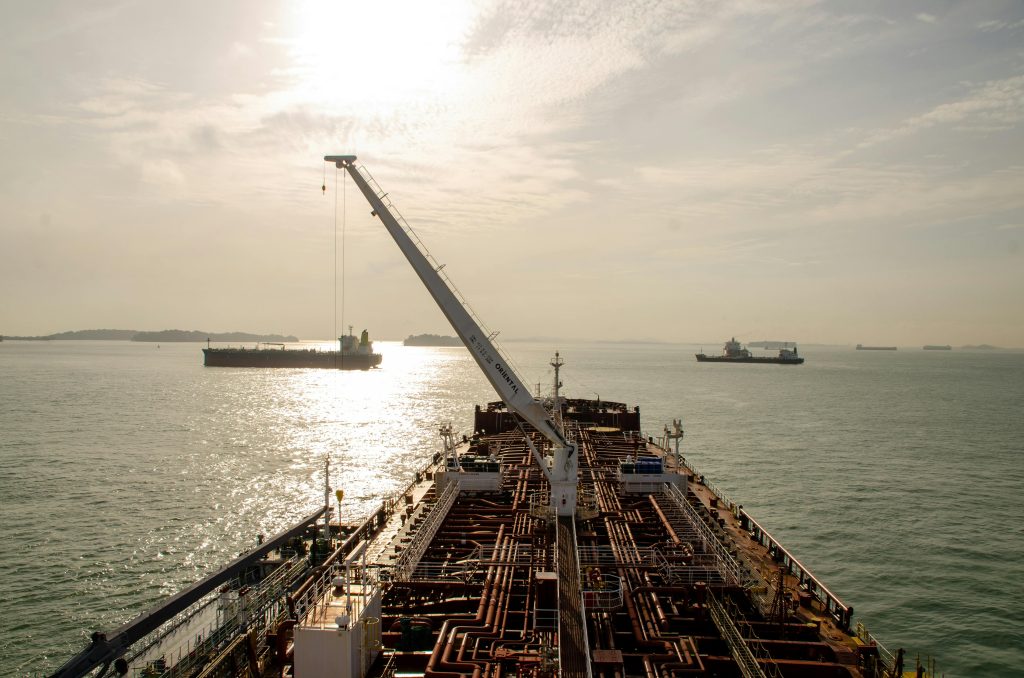
While future shipments from Venezuela are now in question, China has a temporary safety net. According to shipping and energy data providers, nearly 82 million barrels of sanctioned crude are currently being stored on tankers near Chinese and Malaysian waters. More than a quarter of that oil is Venezuelan, with most of the remainder coming from Iran. These floating stockpiles give Chinese buyers flexibility and time to adjust supply chains if Venezuelan flows are disrupted.
Market reactions so far reflect that buffer. Bitumen futures in Shanghai rose sharply after news of Maduro’s capture, but prices remain not far above a four-year low reached in December. This suggests traders see short-term supply as sufficient, even if longer-term uncertainty remains.
Beyond bitumen, the market is also watching China’s demand for fuel oil, which can serve as a partial substitute for Venezuelan crude. Any sustained shift in demand patterns could reshape regional refining economics over time.
Still, the situation is far from settled. Before Maduro was captured, the US had already imposed a partial naval blockade on vessels calling at Venezuelan ports. Trump has since said sanctions on the country’s oil industry will remain in place, raising questions about whether China can legally or practically purchase Venezuelan cargoes that have already been loaded but not yet delivered. Issues around payment, ownership, and insurance could complicate any such transactions.
Venezuela holds the world’s largest proven oil reserves, but years of mismanagement, corruption, and underinvestment have left its industry in deep decline. Production has fallen to roughly 1 million barrels a day, less than a quarter of its peak in the 1970s, and now represents under 1% of global supply. With most Western countries avoiding Venezuelan crude due to sanctions, China has been one of the few major buyers willing to step in.
Chinese state-owned oil companies also have long-standing claims on Venezuelan resources. Industry analysts estimate that Sinopec is entitled to around 2.8 billion barrels of Venezuelan oil under existing agreements, while China National Petroleum Corp. holds significant interests as well. Russian firms also have sizeable claims. However, these entitlements are now in doubt as Washington signals it intends to reshape Venezuela’s oil sector under US leadership.
Trump’s vision of reviving Venezuela’s oil industry is ambitious and costly. Energy experts estimate that rebuilding infrastructure and restoring output to historical levels could require more than US$100 billion in investment over the next decade. Ports are in disrepair, pipelines are leaking or missing, drilling rigs have been abandoned, and refineries operate intermittently due to breakdowns and fires. Even loading a supertanker can now take several days, compared with just one day less than a decade ago.
Chevron is currently the only major US oil company still operating in Venezuela, accounting for roughly a quarter of the country’s output under a special sanctions waiver. Other US majors such as Exxon Mobil and ConocoPhillips previously operated in Venezuela but exited after their assets were nationalized in the mid-2000s. While US officials believe American firms will be eager to return, analysts caution that companies are unlikely to commit serious capital until Venezuela’s political future looks more stable.
Another challenge is timing. Global oil markets are currently oversupplied, with prices hovering near five-year lows. Many oil companies are also still owed billions of dollars from Venezuela for past loans and seized assets, making them wary of rushing back without strong legal and political guarantees.
For China, the situation presents both risk and opportunity. In the short term, floating stockpiles help smooth supply disruptions. Over the medium term, however, Beijing may face tougher competition for Venezuelan resources if US-led redevelopment succeeds and sanctions are restructured. At the same time, China’s strong reaction to the US intervention describing it as a violation of sovereignty highlights the geopolitical tensions now entwined with energy markets.
For now, oil continues to flow from tankers rather than ports. But as events in Venezuela unfold, China’s long-standing access to some of the world’s heaviest and cheapest crude may be entering a new and uncertain chapter.