


























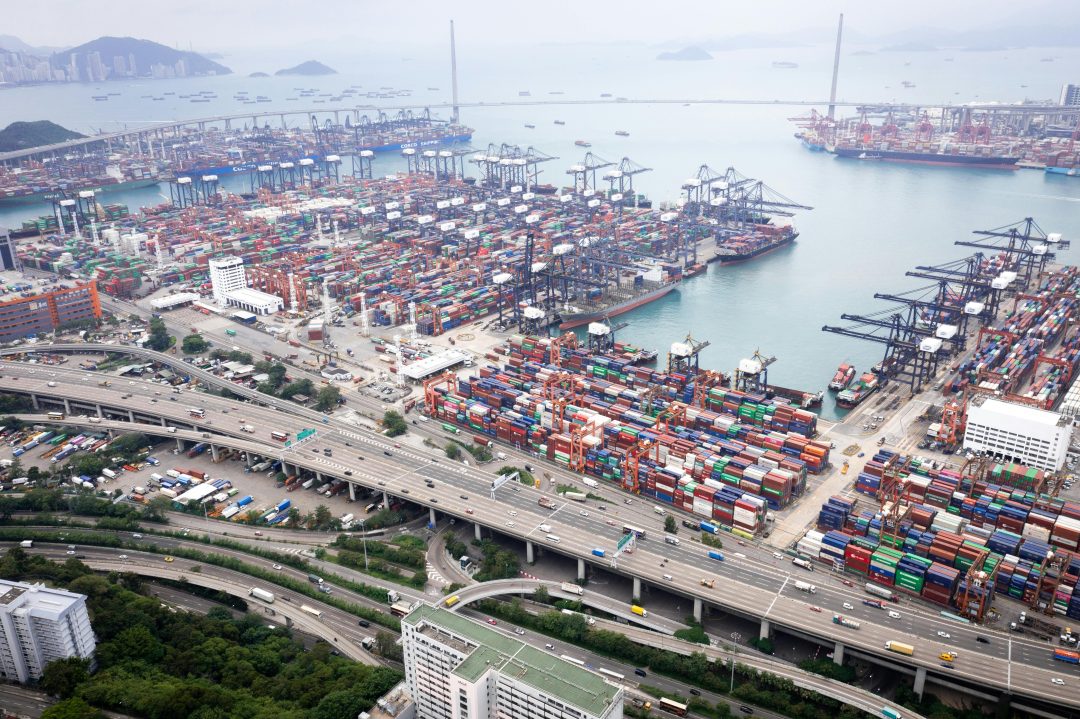
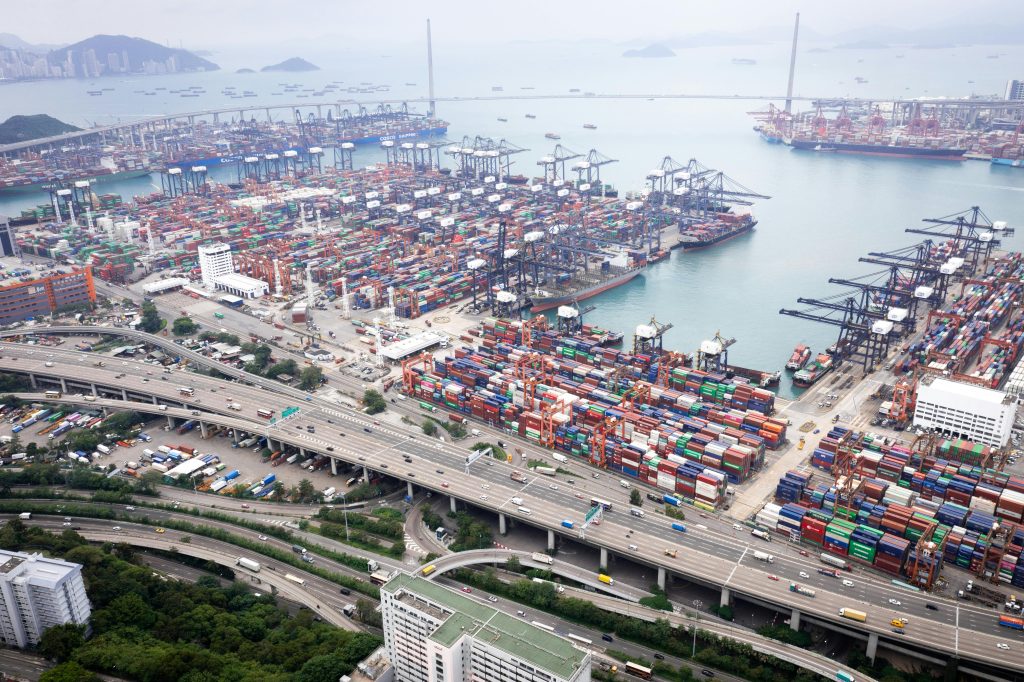

(Singapore, 14.01.2026)China closed 2025 with a historic trade surplus of nearly US$1.2 trillion (about S$1.54 trilion), capping a year in which exports once again carried the world’s second-largest economy despite weak domestic demand and renewed tariff pressure from the United States.
The figure, released by China’s customs authorities on Wednesday, highlights both the strength of the country’s manufacturing base and the growing imbalance between external and internal sources of growth.
The surplus widened sharply toward the end of the year as exports surprised on the upside. In December alone, outbound shipments rose 6.6% year-on-year, the fastest pace in three months and more than double what economists had expected. Imports also rebounded, climbing 5.7%, resulting in a monthly surplus of around US$114 billion, the largest in six months.
For the full year, the surplus reached about US$1.19 trillion, a scale comparable to the annual economic output of a top-20 economy such as Saudi Arabia. China first crossed the trillion-dollar threshold in November, underscoring how rapidly its trade gap expanded in the second half of the year.
Behind the headline numbers lies a familiar story. China’s economy continues to struggle with a prolonged property slump, soft private investment and cautious consumer spending. With domestic demand failing to gain strong momentum, factories have leaned even more heavily on overseas markets to keep production lines running.
“Strong export growth helps to mitigate weak domestic demand,” said Zhiwei Zhang, chief economist at Pinpoint Asset Management, in comments reported by Reuters, adding that with financial markets improving and macro conditions relatively stable, Beijing is likely to keep its policy stance broadly unchanged in the near term.
Diversification cushions the blow from US tariffs
One of the most striking features of China’s 2025 trade performance was its ability to absorb a sharp fall in exports to the United States. After President Donald Trump returned to the White House and raised tariffs, shipments to the US dropped steeply. In December, exports to the American market plunged by more than 30%, and for the full year they were down about 20%. Imports from the US also declined, falling nearly 15%.
Rather than derailing overall trade, the tariffs accelerated a shift that had already been under way. Chinese companies aggressively sought new customers in other regions, particularly in emerging markets. Exports to Africa recorded the fastest growth among major destinations, rising roughly 26% in 2025. Shipments to ASEAN countries in Southeast Asia expanded around 13%, while exports to the European Union and Latin America grew by about 8% and 7% respectively.
This diversification meant that China posted monthly trade surpluses above US$100 billion seven times in 2025, compared with just once the previous year. It also reinforced China’s position as a key supplier to developing economies, even as trade with the US cooled sharply.
Chinese officials argue that this broader network of trading partners has improved resilience. Wang Jun, a senior official at the customs administration, said the global environment for trade remains “severe and complex” due to slow growth and geopolitical fragmentation, according to a briefing covered by Bloomberg. Still, he stressed that with more diversified partners, “the fundamentals of China’s foreign trade remain solid.”
At the same time, tensions are building elsewhere. European policymakers have grown increasingly uneasy about the influx of competitively priced Chinese goods, while other economies worry about over-reliance on Chinese supply chains. The size of China’s surplus has become a sensitive issue, feeding concerns about overcapacity and uneven global trade flows.
High-Value Exports Grow as Pushback Mounts
Another key trend in 2025 was the composition of China’s exports. Growth was strongest in higher-value products, reflecting Beijing’s long-term push up the manufacturing value chain. Exports of semiconductors, automobiles and ships all rose by more than 20% from a year earlier.
The auto sector stood out. China’s vehicle exports jumped nearly 20% to about 5.8 million units, with pure electric vehicle shipments surging close to 50%. Having overtaken Japan in 2023, China is expected to remain the world’s largest auto exporter for a third consecutive year.
By contrast, some lower-end exports such as toys, footwear and clothing declined, highlighting structural changes in China’s manufacturing sector as costs rise and global demand shifts.
However, success in higher-value industries is also attracting scrutiny. Lynn Song, chief economist for Greater China at ING Groep NV, warned that China is facing “some pushback” as its advanced products become more competitive globally. He argued that boosting domestic demand and encouraging imports would be essential to sustaining “win-win” trade relationships.
Beijing appears to be taking those concerns seriously. Authorities have announced plans to cancel export tax rebates on hundreds of products including solar cells and batteries from April, both to ease trade tensions and to address excess capacity that is adding deflationary pressure at home. Senior leaders have also publicly called for expanding imports and promoting more balanced trade growth.
Looking ahead to 2026, economists expect China to continue gaining global market share, helped by competitive pricing, a relatively weak yuan and Chinese firms setting up overseas production hubs to sidestep tariffs. Yet risks remain, including a high comparison base and the possibility of renewed geopolitical frictions that could disrupt the fragile trade truce with Washington.
For now, China’s record-breaking surplus stands as a clear reminder that exports remain the country’s main economic engine even as questions grow about how sustainable that model will be in a more fragmented global economy.