

























(SINGAPORE 2025.12.11) While Chinese electric vehicles (EVs) capture global attention with their striking innovations, China’s conventional fuel-powered cars continue to lead in overseas auto exports. In 2024, sales of traditional vehicles abroad hit 4.574 million units, representing 78.1% of all Chinese passenger car exports. This year up to November, only BYD and Tesla among the top 10 China-based automakers shipped exclusively EVs; the remaining eight relied primarily on gasoline models, which still form the backbone of China’s automotive trade.
In fact, since 2020, three out of every four Chinese cars exported have been fuel-powered, a trend that has held steady. According to the China Association of Automobile Manufacturers, from 2021 to 2024, fuel vehicles consistently made up about 80% of China’s annual overseas car shipments.
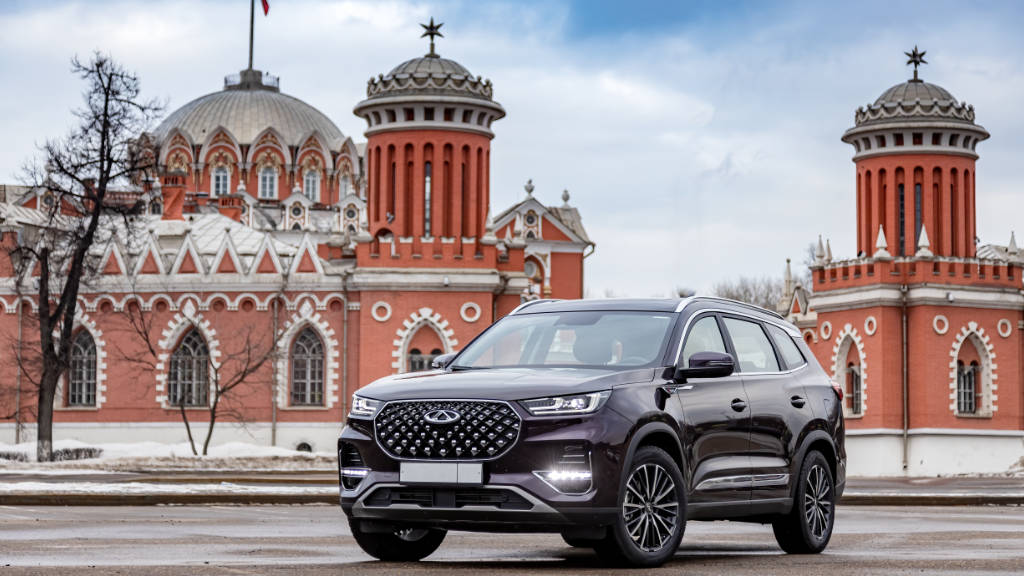
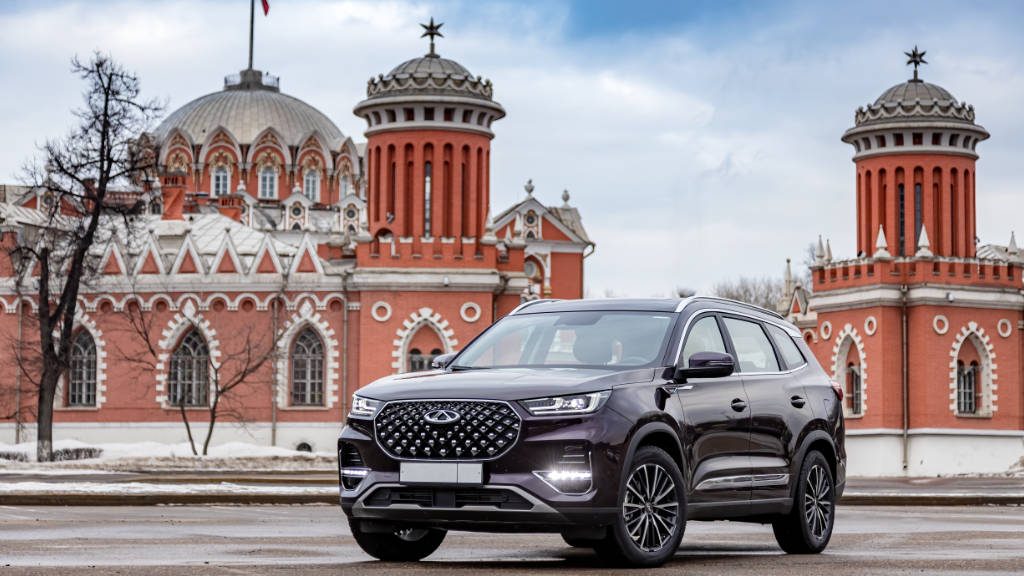
A closer look at industry data reveals Chery’s impressive strength in fuel-vehicle exports. So far this year, the company has shipped 1.199 million vehicles, with new-energy models making up only around 30%. In comparison, SAIC (Shanghai Automotive Industry Corporation) exported 969,000 units, about 45% of which were new-energy models.
So where are the main export destinations? Second-tier markets such as Eastern Europe, Latin America, and Africa, according to 36Kr, a Chinese tech-focused media outlet. Data from UK-based automotive research firm JATO Dynamics show that Chinese brands accounted for nearly 16% of South Africa’s entire car market in the first half of this year, up from 10% the previous year. During the same period, about 30,000 Chinese fuel-powered cars were sold in the country, compared with just 11 electric vehicles.
The situation in Chile is quite similar. According to a local automotive association, Chinese fuel-powered vehicles now account for nearly a third of Chile’s market, while established brands such as Chevrolet, Nissan, and Volkswagen experienced a 34–45% decline in sales last year.
Several overseas legacy automakers vow they are prepared to face the Chinese challenge. Alexander Seitz, head of Volkswagen South America, said he “does not fear” Chinese competitors, adding, “I respect them as rivals. They are welcome to join the party.” Similarly, a General Motors spokesperson highlighted CEO Mary Barra’s October statement that the company is ready to compete with Chinese manufacturers “with the right technology and at the right cost.”
Despite the buzz around EVs, most consumers worldwide—particularly in Southeast Asia, the Middle East, South America, and Russia—still face practical barriers to switching over. Charging infrastructure is often limited, electricity costs can be unpredictable, and many buyers simply want a dependable, hassle-free vehicle that can go anywhere. With proven technology and easy refuelling, conventional fuel-powered cars continue to appeal — and Chinese-made fuel vehicles are well-positioned to meet the needs of this largest segment of the car market.
Chinese gasoline cars excel in an area where few competitors can match them: value for money. Many models come “fully loaded,” giving buyers a larger, feature-rich vehicle for the same price as a basic Toyota or Volkswagen, according to 36Kr. Overseas consumers have discovered they can get significantly more for their budget.
For instance, in Saudi Arabia, the cost for a base-model Nissan Sylphy can instead buy a fully equipped MG7 from SAIC. Likewise, China’s Great Wall Motors prices the Haval H6 nearly 100,000 yuan (around S$18,317) below the Honda CR-V in Thailand, making it a more accessible option.
Once dismissed as “cheap and unreliable,” Chinese-made cars are shedding that old stigma, 36Kr noted. Today, it added, Chinese automakers aiming at overseas markets are earnestly engineering vehicles to meet the strictest standards—such as European crash safety tests—demonstrating that their cars are safe, dependable, and ready to compete on the global stage.
Also, leading Chinese automakers—such as Great Wall, Chery, Geely, and SAIC—have gone beyond simply exporting vehicles, establishing production facilities in key markets like Thailand, Brazil, and Russia. This global expansion lowers tariffs and logistics costs, while strengthening ties with regional supply chains, enabling faster responses to demand and more efficient management of trade barriers.
In addition, these companies are developing robust local sales and after-sales networks, shifting from one-time transactions to providing consistent, long-term support. This guarantees a hassle-free ownership experience for overseas customers and strengthens their own competitiveness on the global stage.
However, Zhang Xiang, secretary-general of the International Intelligent Transportation Technology Association and a researcher at the Automotive Industry Innovation Research Centre of North China University of Technology, pointed out that Chinese automakers continue to lag behind global names in terms of brand awareness and production capacity.
While international giants like Toyota and Volkswagen tap global markets to achieve economies of scale, most Chinese automakers still concentrate on the domestic front, keeping export ratios relatively low. Chery stands out as an exception, exporting over half of its vehicles, whereas other brands contribute only a minor share, Zhang noted.
But Zhang also suggested, equipped with a more complete industrial chain now, Chinese fuel-powered vehicles are turning their lower cost and technological strengths into global market edge. They have carved out a distinctive growth trajectory in large overseas markets where practical consumer needs take precedence over EV aspiration, he concluded.