

























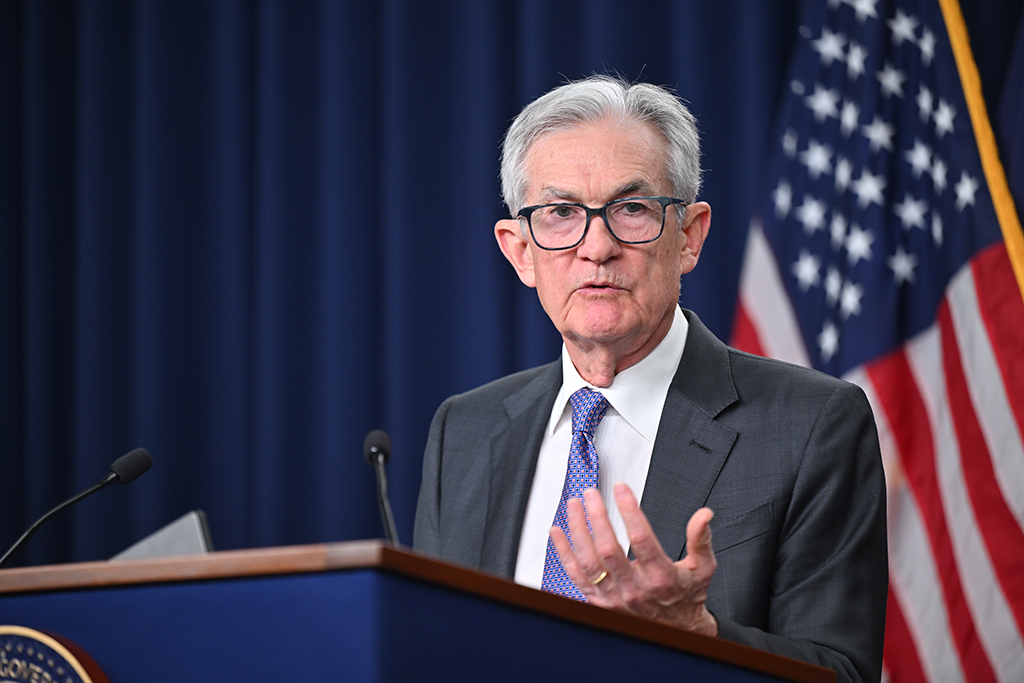
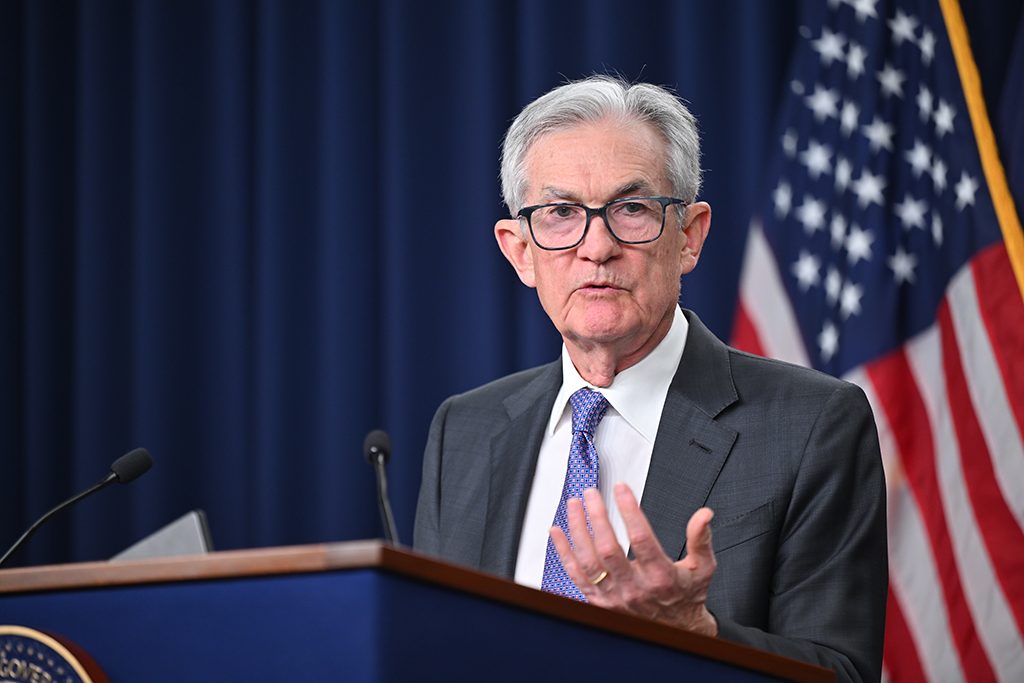

(Singapore, 11.12.2025)The U.S. Federal Reserve lowered interest rates for the third meeting in a row on Wednesday, bringing the federal funds rate down by a quarter percentage point to a range of 3.50% to 3.75%. The move places borrowing costs at their lowest level in more than three years, but it also comes with a clear message: the Fed may now be ready to pause.
While markets had anticipated a 25-basis-point cut, the real surprise came from the widening divisions inside the central bank and the Fed’s latest economic projections, which suggest a slower path of easing ahead. The decision highlighted how the Federal Open Market Committee (FOMC) is increasingly split on how to handle stubborn inflation, a cooling labor market, and a patchy flow of economic data following this autumn’s lengthy government shutdown.
The vote itself was unusually fractured. Three officials dissented, each for different reasons. Fed Governor Stephen Miran wanted a larger cut of 50 basis points, arguing the economy needed more help. Meanwhile, Austan Goolsbee of the Chicago Fed and Kansas City Fed President Jeffrey Schmid opposed any reduction at all, preferring to keep rates unchanged. Yet, as details published after the meeting revealed, the disagreements went even deeper. Several regional Fed presidents who did not vote this year indicated they would have preferred no cut, contributing to what some analysts call “silent dissents.” Their rate projections showed the federal funds rate ending 2025 at levels above where policy now stands—essentially signaling that they disagreed with Wednesday’s move.
Former Philadelphia Fed President Patrick Harker described the level of internal division as something he had not seen in more than a decade of involvement with the central bank. Even the boards of directors at the regional Fed banks appeared split: only four of the 12 boards recommended lowering the short-term rate that typically adjusts alongside the Fed’s benchmark rate, suggesting most regional leaders favored holding steady.
Alongside the rate decision, the Fed released its quarterly “dot plot,” which maps out policymakers’ expectations for future interest rates. This time, the projections brought no surprises—just one rate cut is expected in 2026 and one more in 2027, with no changes forecast for 2028. Investors hoping for a more aggressive easing path did not get it. For markets that had penciled in two cuts in 2026, the Fed’s slower outlook landed with a thud. Stock indices reacted unevenly: the Nasdaq slipped by about 70 points after the announcement, the S&P 500 edged slightly higher, and the Dow Jones added nearly 300 points.
The Fed’s policy statement made clear that officials remain concerned about the balance of risks. The central bank said downside risks to employment had grown while inflation remained “somewhat elevated.” Adding to the complexity is the lingering impact of the 43-day government shutdown in October and November, which delayed the release of key economic statistics. With fewer data points to guide them, policymakers acknowledged they are navigating with reduced visibility just as the U.S. heads into a presidential midterm year.
Economists say this unusual data gap will complicate the policy outlook in 2026. Art Hogan, chief market strategist at B Riley Wealth, described the coming year as one in which “the guessing game of what the Fed does next is going to be getting a lot more difficult.” Others noted that the Fed is juggling competing signals: inflation is cooling but still above target, job gains are slowing but not collapsing, and growth momentum remains stronger than many expected earlier this year.
Indeed, the Fed’s own projections reflect a cautiously optimistic outlook. Officials expect economic growth to pick up to 2.3% in 2026—significantly higher than the 1.8% forecast previously. Growth is projected to remain near 2% in 2027 and 1.9% in 2028. Inflation, measured by the Fed’s preferred PCE gauge, is projected to ease to 2.5% in 2026 and reach near target at 2.1% the following year. Unemployment is expected to hold around 4.4% in 2026 before dipping slightly to 4.2% in 2027.
Even with these improvements, the policy path appears far less certain than in the past. One reason is political. Fed Chair Jerome Powell’s term ends in May 2026, and President Donald Trump is expected to nominate his successor. The frontrunner, White House economic adviser Kevin Hassett, recently said there was “plenty of room” for more cuts—unless inflation reaccelerates. Trump himself criticized Wednesday’s cut as “small,” and said he would have preferred a larger reduction. The combination of political pressure and increasing internal divisions raises questions about how smoothly the Fed will operate once Powell steps down.
Some analysts warn that if Powell—one of the longest-serving and most respected chairs in recent history—is facing difficulty corralling the committee, his successor could face an even tougher challenge.
For investors, however, the message may be simpler: stay calm. Several fund managers say the Fed’s pause does not necessarily signal trouble ahead. Alex Morris, chief investment officer at F/m Investments, said investors should brace for “a lot of financial noise” over the next year, but not panic. A pause in rate cuts, he added, does not mean a return to hikes unless economic data sharply shifts.
And despite some initial disappointment in the markets, many analysts believe stability may ultimately be better than aggressive easing. Chris Grisanti of MAI Capital summed it up: “I hope there aren’t rate cuts in 2026 because that will mean the economy is weakening. I’d rather have a solid economy and no more cuts.”