





















(Singapore, 09.04.2026) “Many people assume that inheriting wealth is easy. But in many of the cases I’ve encountered, a significant number are actually lost.”
In an on-site interview with Fortune Times, The Borderless Generation author and global mobility entrepreneur Nirbhay Handa offered a different perspective on the long-standing notion that “wealth rarely lasts beyond three generations.” According to him, the issue is not wealth itself, but the absence of meaning.
Handa explained that while wealth can be transferred, purpose, direction, and intrinsic motivation cannot. This helps explain why, globally, nearly 70% of wealth inheritors choose to change their banks and advisory structures—traditional wealth management institutions often fail to understand their values and lifestyles.
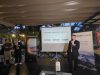
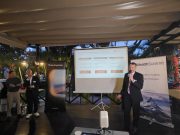
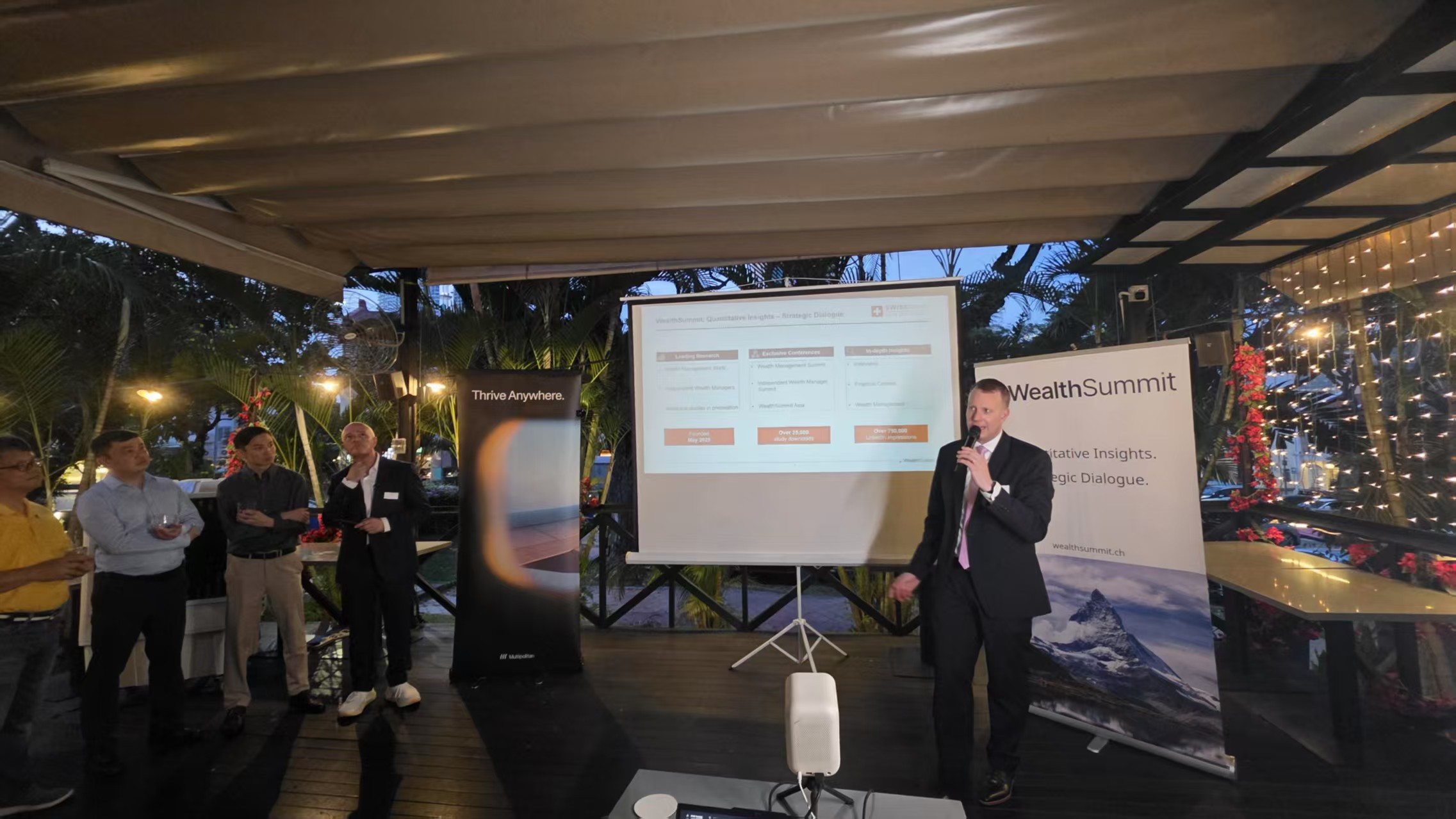
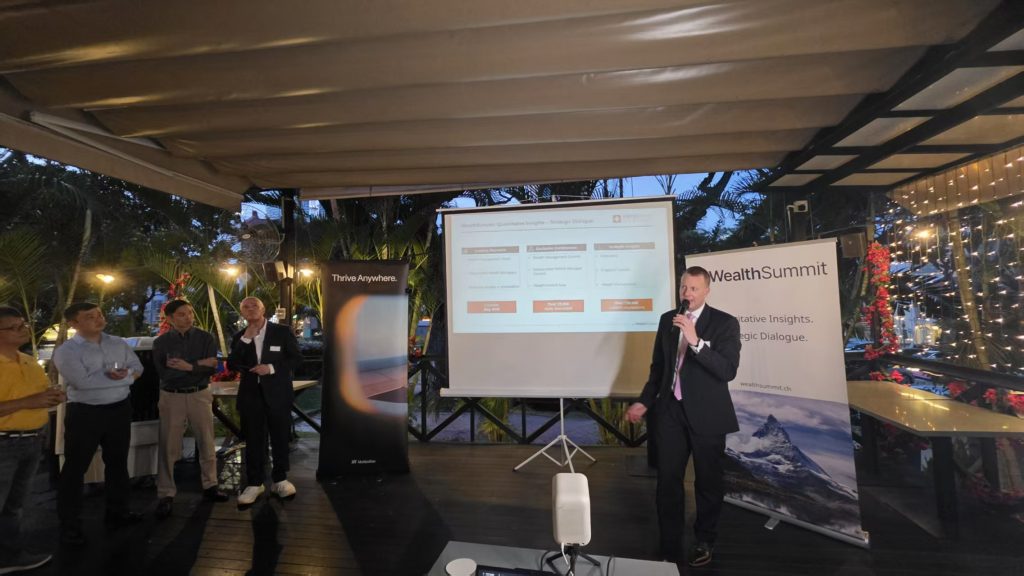
In his view, the next generation is not simply seeking asset management, but a way to reconnect wealth with personal interests, careers, and a deeper sense of purpose. This is precisely the foundation of the “Borderless Generation” concept. This perspective was shared during the WealthSummit Asia launch event held in Singapore on 9 April.
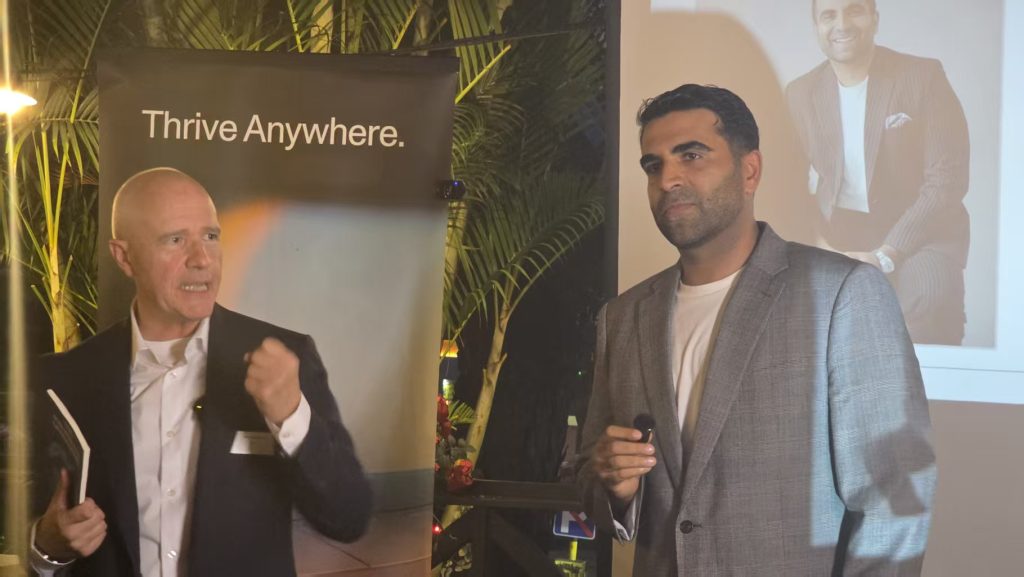
Introducing Handa and his newly released book, Claude Baumann, Chairman of WealthSummit, noted that global wealth is entering a new phase—one that is no longer defined by how much one owns, but by how one chooses to live.
WealthSummit, a Swiss-based compnay combining conferences and research to deliver insights into the wealth magamane related industry, is repositioning itself to reflect this shift. Its Founder and CEO, Chris Kunzle, added that future wealth research will move beyond asset allocation to focus on understanding the behavioral logic and decision-making patterns of the next generation—including how they perceive mobility, identity, risk, and intergenerational transfer.
Handa further emphasized that the “next generation” is not defined by age, but by mindset. The meaning of wealth is evolving—from accumulation to empowerment. Increasingly, younger individuals are measuring their lives not by net worth, but by “quality-adjusted life years,” prioritizing well-being and life experience over sheer financial scale.
Against this backdrop, mobility has emerged as a defining theme. Handa highlighted that there are currently around 400 million migrants globally, along with over 40 million digital nomads. Cross-border living is no longer an exception but a growing norm. In this context, residency and identity allocation are becoming a new “asset class.” The security of wealth is no longer determined solely by financial holdings, but by a family’s ability to navigate choices across jurisdictions.
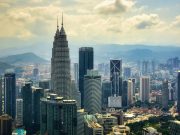
This shift is also reshaping the relationship between cities and capital. Handa categorized future cities into three types: digital nomad–friendly cities, entrepreneurship-driven cities, and global financial centers. Singapore, he noted, stands out as a “Builder City,” alongside Dubai and Abu Dhabi—serving as a key node for attracting global talent and capital.
Baumann added that this signals a broader transformation: competition in the future will not be defined by countries alone, but increasingly by urban ecosystems.
With over two decades of experience in media, Baumann also shared his own strategic pivot. In response to the rise of artificial intelligence, he is steering WealthSummit toward a research-driven platform centered on “studies.” In an era where AI has made information abundant, he argued, what is truly scarce is not content, but content systems grounded in methodology, data, and informed judgment.
During the event, WealthSummit also announced that it will host a “Next Generation Wealth Forum” in Singapore this September. The forum will focus on evolving wealth perspectives among younger generations, including themes such as mobility, identity structuring, and intergenerational transition—marking the beginning of a more systematic exploration of these emerging dynamics.