



























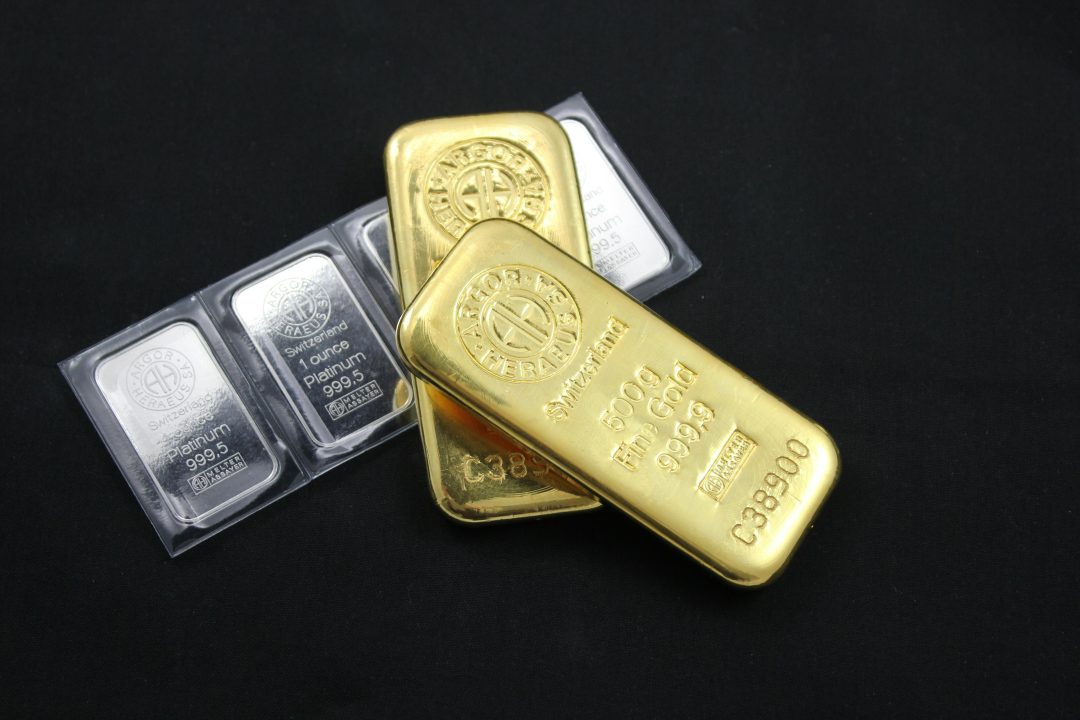
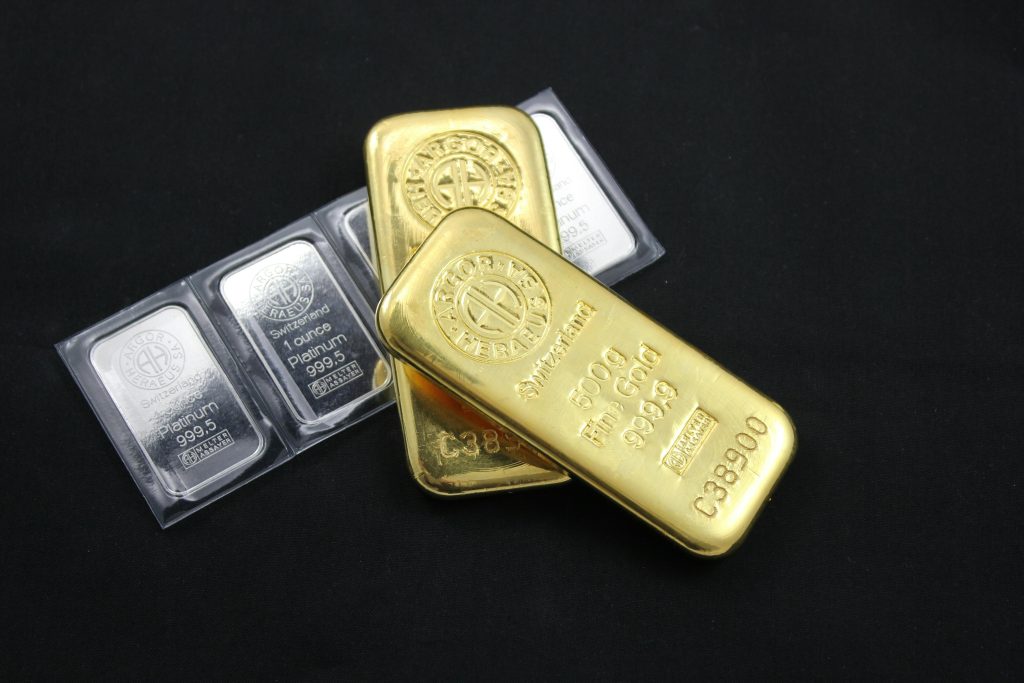

(Singapore, 26.01.2026)Gold prices have surged past the historic US$5,000-per-ounce mark for the first time, highlighting a dramatic shift in global investor sentiment as political uncertainty, currency volatility and rising government debt fuel demand for safe-haven assets.
On Monday, spot gold climbed as high as US$5,085 an ounce before paring some gains. Prices are now up more than 17% so far this year, following a stunning 64% rally in 2025. Over the past two years, the precious metal has more than doubled in value, marking one of the strongest bull runs in its modern history.
The latest surge reflects growing anxiety across global markets, with investors increasingly questioning the stability of currencies, sovereign bonds and long-established political norms.
Political Shock Erodes Confidence
Market participants say the immediate driver behind gold’s explosive move is a crisis of confidence in US leadership and policymaking. A series of unpredictable actions by President Donald Trump — including aggressive trade threats, pressure on the Federal Reserve and escalating geopolitical rhetoric — has rattled financial markets and weighed heavily on the US dollar.
Speculation that the US could assist Japan in strengthening the yen has further undermined the greenback. The Bloomberg Dollar Spot Index has fallen nearly 2% over six trading sessions, making gold cheaper for buyers holding other currencies and reinforcing its appeal as a store of value.
“Gold is the inverse of confidence,” said Max Belmont, a portfolio manager at First Eagle Investment Management, as quoted by Bloomberg. “It’s what investors turn to when trust in policy, markets and institutions begins to erode.”
Trade tensions have been a major source of unease. Over the weekend, Trump warned that the US could impose 100% tariffs on Canadian exports if Ottawa proceeds with a trade agreement with China. Earlier threats targeting European allies, as well as potential tariffs on French wines and champagne, have added to fears of a renewed global trade war.
Domestic political risks are also intensifying. In Washington, disputes over a massive government spending package have raised the possibility of a partial government shutdown, further unsettling investors already on edge.
These developments have pushed many investors away from traditional assets such as government bonds and into gold, reinforcing its long-standing role as a hedge against geopolitical risk and policy uncertainty.
Debt Risks Fuel Long-Term Gold Demand
Beyond short-term political shocks, gold’s rally is being underpinned by deeper structural concerns, particularly the rapid accumulation of public debt in advanced economies.
Many long-term investors now believe inflation may become the preferred tool for governments to manage heavy debt burdens, rather than fiscal restraint. This belief has fueled what analysts describe as the “debasement trade,” where investors reduce exposure to currencies and sovereign bonds in favor of hard assets such as gold.
A sharp selloff in Japanese government bonds last week highlighted these fears, signaling investor resistance to aggressive fiscal spending and ultra-loose monetary policy.
“Concerns about long-term debt sustainability have become much more prominent over the past few years,” said John Reade, chief market strategist at the World Gold Council. “Among family offices in particular, gold is increasingly viewed as protection for generational wealth, not just a short-term hedge.”
Central banks have also played a critical role in supporting prices. China extended its gold-buying streak to a 14th consecutive month in December, while central banks globally continue to diversify reserves away from the US dollar. Exchange-traded funds backed by physical gold have also recorded record inflows, signaling renewed institutional interest.
The rally has spread across the precious metals complex. Silver surged above US$100 an ounce for the first time last week and continued rising to new highs, supported by strong retail demand from Asia to the Middle East and tight physical supply. Platinum climbed to a record high, while palladium also posted solid gains.
Attention is now turning to the Federal Reserve, as President Trump said he has completed interviews for the next Fed chair. Markets fear a more dovish appointment could further undermine confidence in the central bank’s independence and increase expectations of additional interest-rate cuts.
Lower interest rates tend to benefit gold, which does not pay interest, by reducing the opportunity cost of holding the metal. Combined with a weaker dollar, this has strengthened gold’s appeal even further.
Analysts caution that after such a rapid rise, short-term pullbacks are likely as investors take profits. However, many believe any corrections will be brief.
“Gold could remain well supported for months or even years,” said Vasu Menon, managing director of investment strategy at Oversea-Chinese Banking Corp. “The underlying drivers — geopolitical uncertainty, debt concerns and policy risks — are unlikely to disappear anytime soon.”
For now, gold’s move past US$5,000 is more than just a price milestone. It is a powerful signal of a world grappling with instability, uncertainty and a growing search for financial safety even if that safety comes in the form of a centuries-old metal.