























(Singapore, 02.04.2026)Asian countries are taking different paths to deal with a growing energy crisis triggered by tensions in the Middle East, as the vital Strait of Hormuz remains disrupted and global oil markets face mounting pressure.
The waterway, which normally carries about a quarter of the world’s seaborne oil, has become a key flashpoint of geopolitical tension after nearly two months of conflict involving Iran and the United States. Governments across Asia are now being forced to act quickly, often on their own, to secure fuel supplies and protect their economies.
Fragmented Response and Diplomatic Maneuvering
Countries including India and the Philippines have begun direct talks with Iran to ensure safe passage for their ships through the strait. At the same time, some nations are forming smaller diplomatic groups or exploring trade deals to keep energy flowing.
Meanwhile, U.S. President Donald Trump has urged countries that rely on the strait to take greater responsibility for reopening it, signaling that Washington may not take the lead role. He suggested the situation could improve “naturally,” as Iran would eventually need to resume oil exports.
This call has added both urgency and uncertainty to Asia’s response. Unlike Europe, where countries have worked more closely together, Asian nations remain divided, partly due to longstanding political tensions, particularly between China and Japan.
Japan is considering joining a 35-country initiative led by the United Kingdom to restore freedom of navigation. However, its role is expected to remain limited due to constitutional restrictions on military involvement overseas.
China, on the other hand, has partnered with Pakistan to propose a five-point peace plan, calling for a ceasefire and protection of shipping routes. Still, Beijing has stopped short of committing to any international security effort in the strait.
At the same time, many governments are maintaining diplomatic channels with Iran, avoiding strong criticism in order to keep negotiations open. Analysts say such engagement may help in the short term, but concerns remain about any single country exerting long-term control over such a critical route.
Energy Supply Strategies and Market Reactions
As the crisis drags on, countries are turning to creative solutions to secure fuel supplies.
India has stepped up fuel exports to neighboring countries such as Sri Lanka and Bangladesh. China has increased shipments of diesel and other refined fuels to Southeast Asia, helping nations struggling with shortages.
In another example, a Japanese government backed energy company is reportedly discussing a barter deal with India, exchanging liquefied petroleum gas (LPG) for naphtha and crude oil. These arrangements highlight how energy security is becoming increasingly transactional in times of uncertainty.
In another example, a Japanese government-backed energy company is reportedly discussing a barter deal with India—trading liquefied petroleum gas (LPG) for naphtha and crude oil. These arrangements reflect how energy security is becoming more transactional amid uncertainty.
Domestically, China is tightening control over its energy sector. Authorities have instructed private oil refiners to maintain fuel production at 2025 levels, even if it means operating at a loss, in order to ensure a stable domestic supply.
Global oil markets have reacted sharply, with prices surging nearly 7% after President Donald Trump said the U.S. would continue military operations against Iran without a clear timeline for ending the conflict. Brent crude rose above $108 per barrel, while U.S. crude climbed past $107.
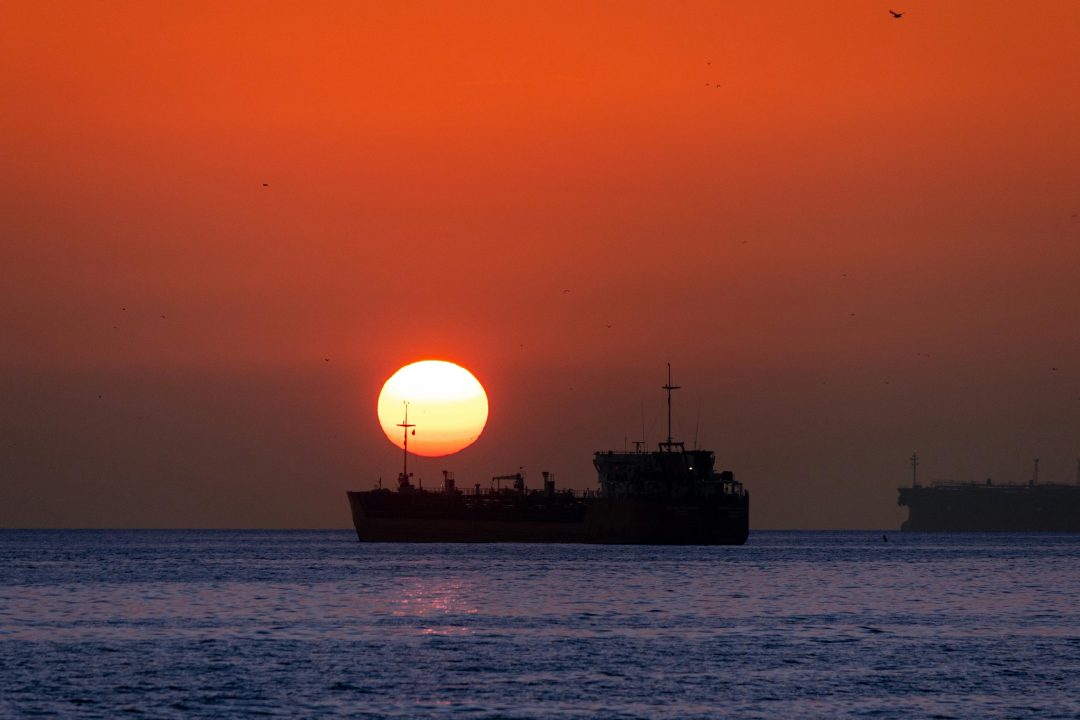
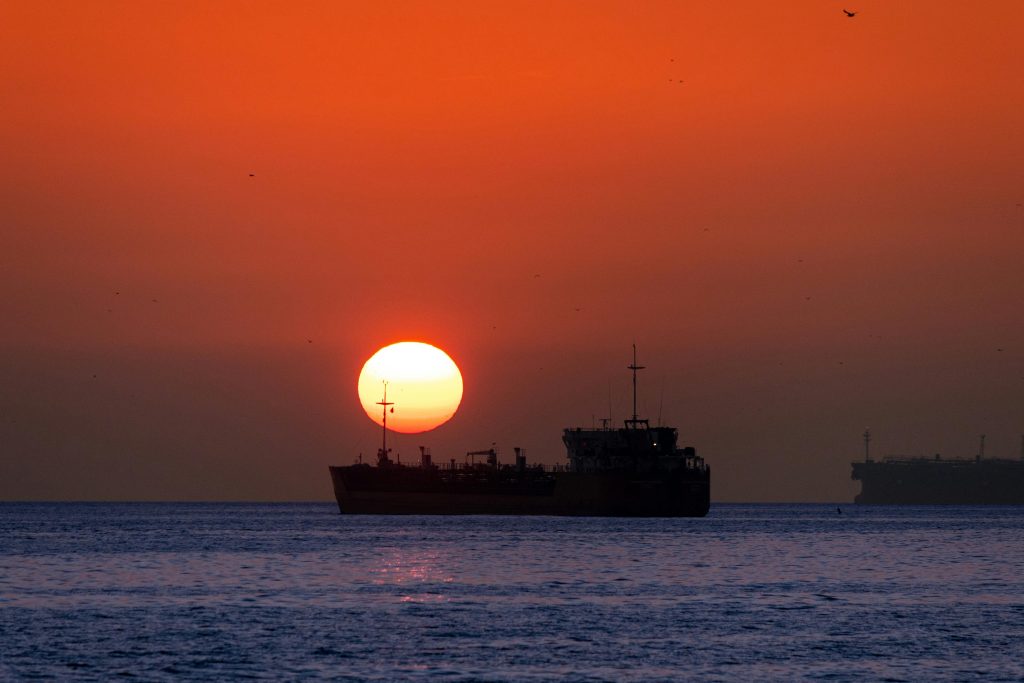
Risks in shipping have also intensified, as a recent missile strike on a tanker in regional waters highlighted the growing danger to maritime transport and raised fears of further supply disruptions.
Governments Step In to Protect Economies
Across Asia-Pacific, governments are rolling out measures to cushion the impact of rising energy costs on households and businesses.
In South Korea, President Lee Jae Myung has urged citizens to “save every drop of fuel,” warning that the crisis could be prolonged and severe. His administration has proposed a $17 billion (S$21.9 billion) support package aimed at easing cost pressures, supporting vulnerable groups, and stabilizing supply chains.
Authorities have also introduced fuel price caps and expanded tax cuts, while encouraging energy-saving habits such as using public transport and reducing electricity consumption.
In Australia, Prime Minister Anthony Albanese has announced further fuel tax reductions to ease pressure on consumers. The government is also releasing fuel reserves and reassuring the public that overall supply remains stable, despite some localized shortages caused by panic buying.
Despite these efforts, there is still no unified strategy in Asia to address the Hormuz crisis. Short-term solutions such as negotiations, fuel-sharing, and subsidies may help manage the immediate impact, but the longer-term outlook remains uncertain.
As the situation evolves, Asia faces a critical test of its energy resilience, one that may ultimately require greater regional coordination, stronger diplomacy, and a reassessment of long-term energy dependence.