



























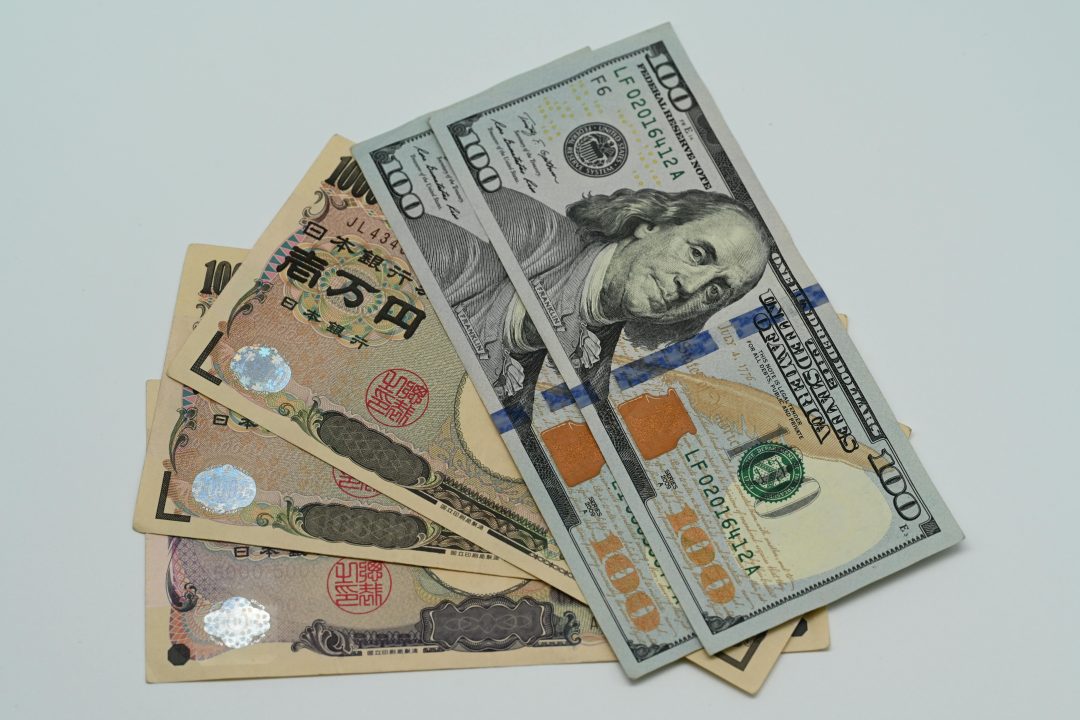
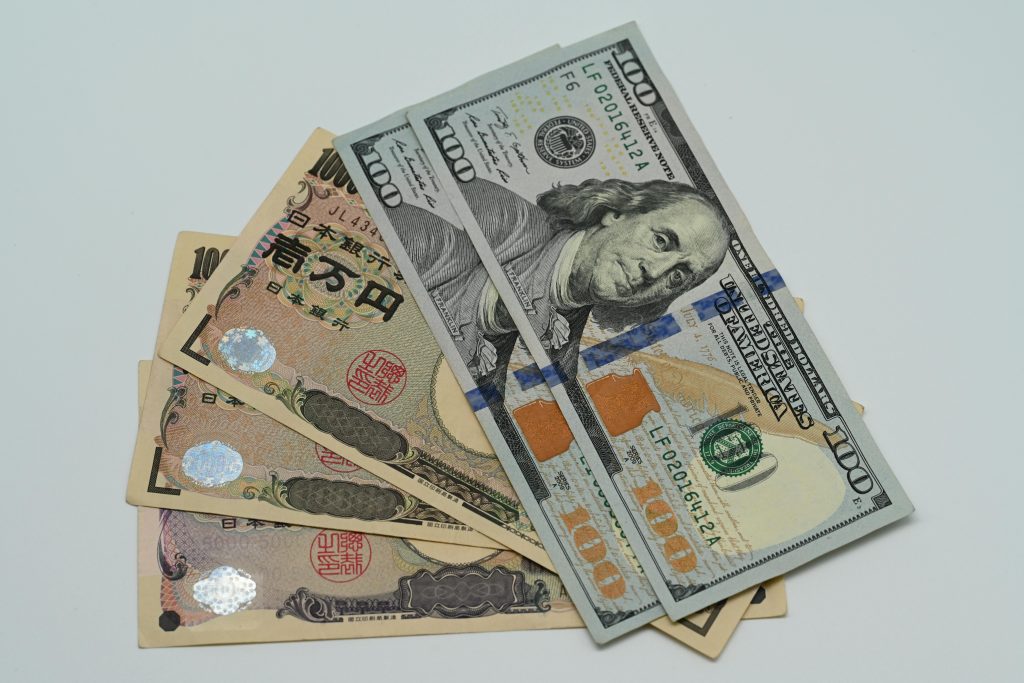

(Singapore, 23.12.2025)Japan has delivered its strongest warning yet that it is ready to step into currency markets, as the yen continues to weaken despite a recent interest rate hike by the Bank of Japan (BOJ). The renewed pressure on the currency is raising concerns not only about speculative trading but also about deeper worries over Japan’s fiscal health and rising government debt.
Speaking on Tuesday, Finance Minister Satsuki Katayama said the government has “a free hand” to respond to what it sees as excessive moves in the yen. Her comments marked the clearest signal so far that Tokyo is prepared to intervene if sharp currency declines continue.
Katayama said recent falls in the yen do not reflect Japan’s economic fundamentals and are likely driven by speculative activity. She added that the government would take “appropriate action” to address excessive volatility, citing Japan’s long-standing agreement with the United States that allows intervention when currency moves become disorderly.
Her remarks came days after the yen slid close to an 11-month low, weakening even after the BOJ raised interest rates to 0.75% — the highest level in 30 years. The currency briefly strengthened following Katayama’s comments, trading around 156 yen to the U.S. dollar, but remained near levels that have made policymakers increasingly uncomfortable.
Japanese officials have long argued that sharp and rapid currency moves hurt the economy by pushing up import costs, especially for food and energy, and squeezing household purchasing power. With inflation already a concern for consumers, a persistently weak yen has become politically sensitive.
Japan last intervened directly in the foreign exchange market in July 2024, when the yen fell to a 38-year low near 162 per dollar. Market participants believe similar action could be triggered if the currency weakens further.
Some analysts say intervention becomes increasingly likely if the dollar rises above recent highs. According to Hiroyuki Machida, director of Japan FX and commodities sales at ANZ, authorities may step in should the yen slide beyond the 158 level, especially if moves appear rapid or speculative in nature.
While the BOJ’s recent rate hike narrowed the interest rate gap between Japan and the United States, it failed to provide lasting support for the yen. Investors instead focused on comments from BOJ Governor Kazuo Ueda, which were interpreted as signalling that further rate increases would come slowly.
This cautious tone has added to doubts about whether monetary policy alone can stabilise the currency, especially as the government prepares to ramp up fiscal spending.
Former BOJ policymaker Seiji Adachi warned that Japan could face further yen weakness and rising bond yields, driven by market concerns over the government’s growing debt burden. In his view, the currency’s decline has less to do with interest rates and more to do with investor confidence in Japan’s fiscal discipline.
Adachi said the yen has continued to weaken even as the interest rate gap with the U.S. has narrowed — a sign that investors are demanding a higher risk premium to hold Japanese assets. He noted that this shift is also evident in the bond market, where yields have climbed sharply.
On Monday, the yield on Japan’s benchmark 10-year government bond reached 2.1%, the highest level in 27 years. The rise reflects expectations of further BOJ rate hikes, as well as concerns about increased bond issuance to fund government spending.
Japan’s public finances are under renewed scrutiny as Prime Minister Sanae Takaichi prepares her first full budget. Media reports suggest the budget for the next fiscal year could exceed 122 trillion yen (about S$1 trillion), setting a new record. New bond issuance is also expected to rise above last year’s already high levels.
This comes on top of a large stimulus package worth more than 21 trillion yen, introduced to help households cope with rising living costs. While the measures are politically popular, they add to worries that Japan’s already massive debt load will continue to grow.
Adachi said the BOJ may eventually be forced to raise interest rates as high as 1.5%, with the next increase potentially coming around July next year. However, higher rates would also increase the cost of servicing government debt, creating a difficult balancing act for policymakers.
If bond market volatility worsens, the central bank may need to reconsider its plans to scale back bond purchases, or introduce measures to support smaller banks facing losses on their bond holdings, Adachi added.
For now, markets are watching closely to see whether Japan backs up its strong language with action. While verbal warnings have slowed the yen’s decline, investors remain focused on the country’s fiscal trajectory and the pace of future monetary tightening.
As Japan enters the new year with higher inflation, rising yields, and a weakening currency, the challenge for policymakers will be to restore confidence without destabilising financial markets — a task that may require coordination between fiscal policy, monetary policy, and, if necessary, direct market intervention.