





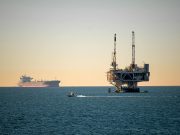




















(Singapore, 25.03.2026)Global financial markets staged a relief rally on Wednesday after signs of possible de-escalation in the Middle East conflict triggered a sharp drop in oil prices, easing fears of prolonged inflationary pressure and economic disruption.
Brent crude tumbled more than 5%, slipping back below the US$100 per barrel mark, while US crude also saw steep losses. The move followed reports that Washington had sent a peace proposal to Iran, alongside signals from Tehran that it may allow safe passage for certain vessels through the strategically vital Strait of Hormuz.
The dual developments were enough to shift market sentiment—at least temporarily.
Oil volatility drives global markets
For weeks, oil has been the central driver of global market volatility. The near shutdown of the Strait of Hormuz, a chokepoint for roughly 20% of global oil and gas flows, had sent crude prices surging, raising alarm bells for policymakers already grappling with inflation.
Now, even tentative diplomatic progress is having an outsized impact.
Analysts say the latest price drop reflects a rapid unwinding of the “risk premium” that had built into oil markets amid fears of prolonged supply disruptions.
“Markets are starting to price in a slightly higher probability of de-escalation,” said one market strategist, though cautioning that conviction remains low given ongoing military activity.
Indeed, while headlines pointed to diplomacy, developments on the ground remain mixed. The United States has reportedly ordered additional troop deployments to the region, suggesting preparations for further escalation remain intact.
Equities rebound as inflation concerns ease
The pullback in oil prices provided a boost to global equities. Asian markets surged, with major indices in Tokyo and Seoul rising more than 3% at one point. Gains were also seen across Hong Kong, Shanghai, Singapore and Sydney.
US equity futures climbed as well, reflecting investor optimism that easing energy prices could reduce inflationary pressure and limit the need for further monetary tightening.
This is a critical point for financial markets. Elevated oil prices in recent weeks have complicated the outlook for central banks, particularly the US Federal Reserve, which has been balancing slowing growth against stubborn inflation.
With crude now retreating, bond yields edged lower, signalling that investors may be reassessing the likelihood of additional rate hikes.
Still, some investors remain cautious.
“We’re not chasing headlines,” said one Asia-based asset manager. “We need to see concrete progress on the ground before repositioning portfolios aggressively.”
Diplomacy hopes rise as economic strain deepens
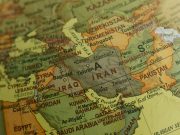
At the center of the latest market moves is a reported 15-point peace proposal from the United States aimed at ending the conflict with Iran.
While details remain unclear, the plan is believed to include key conditions such as preventing Iran from developing nuclear weapons, alongside possible sanctions relief and guarantees around energy transit.
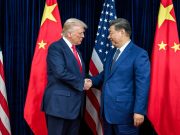
US President Donald Trump has expressed optimism, suggesting negotiations are underway and hinting at what he described as a “significant gesture” from Iran related to the Strait of Hormuz.
Tehran, for its part, has indicated that “non-hostile” vessels may pass through the strait, a potential step toward restoring critical energy flows.
However, Iran has not officially confirmed direct negotiations, and conflicting statements from officials on both sides underscore the fragile nature of the situation. Israel has also continued military operations, highlighting the uncertainty surrounding any potential ceasefire.
Meanwhile, the economic fallout from the conflict is becoming increasingly evident worldwide.
In Europe, business activity has slowed sharply, with rising energy costs weighing on manufacturing and services. Governments are beginning to adjust forecasts, with France trimming its growth outlook for the first half of the year.
Across Asia, policymakers are taking emergency measures to manage energy risks. The Philippines has declared a national energy emergency, while countries such as Bangladesh have sharply increased fuel prices. Ireland has cut fuel taxes to shield consumers, and Sri Lanka has implemented energy-saving measures, including restricting public lighting.
The aviation sector has also been affected. Major airlines such as Lufthansa, Cathay Pacific and Air France have extended flight suspensions to parts of the Middle East, citing safety concerns and rising operating costs.
Despite Wednesday’s optimism, analysts warn that the situation remains highly fluid. The Strait of Hormuz is still operating under significant constraints, and Iran’s continued control over the route means risks to global energy supply persist.