










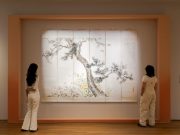






(Singapore, 31 Mar 2026) National Gallery Singapore, in collaboration with the He Xiangning Art Museum, presents He Xiangning: Ink and Intent, the first retrospective in Southeast Asia dedicated to the pioneering 20th-century Chinese woman ink artist.
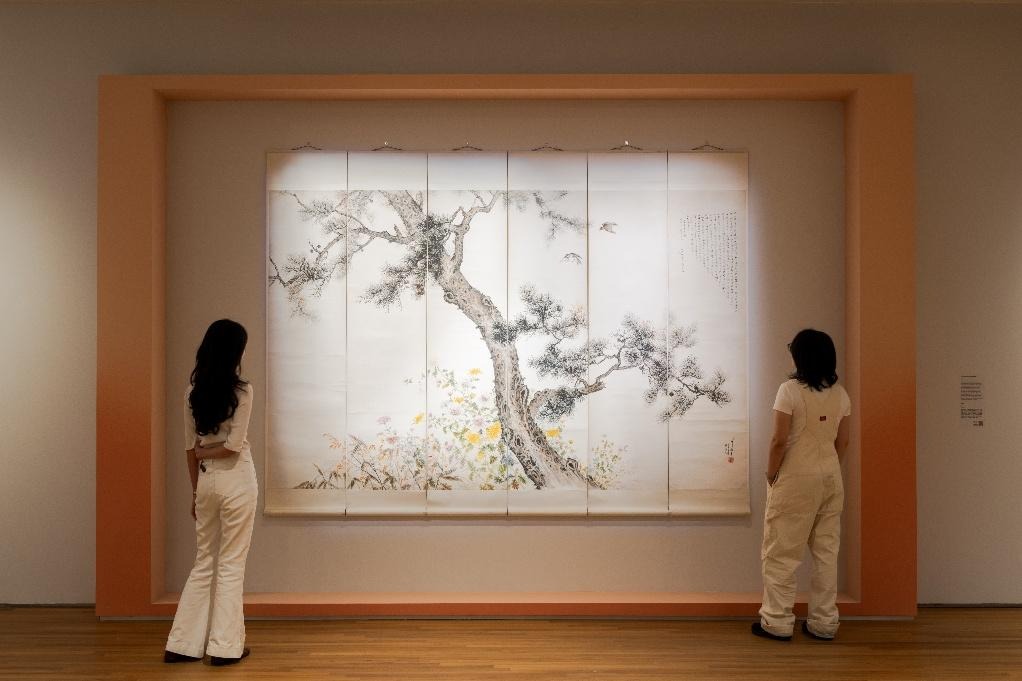
Opening on 1 April 2026, the bilingual exhibition features over 50 artworks presented across four chronological sections, tracing He Xiangning’s (何香凝) remarkable life and artistic practice over seven decades. Specially adapted for its presentation in Singapore, the exhibition highlights the artist’s historical connections with Southeast Asia, including her visits to Singapore and the Philippines in 1929, where she staged charity art exhibitions with the support of local and overseas Chinese communities.
Born in 1878, He Xiangning was a celebrated Chinese ink painter, revolutionary, and social activist. Her artworks are deeply intertwined with the social and cultural transformation of modern China. Beyond her artistic practice, He was actively involved in the political movements of her time and was among the earliest women to join the Tongmenghui – a revolutionary alliance founded in 1905 to overthrow the Qing dynasty. In the decades that followed, she continued to play an important role in China. A committed advocate for women’s rights, she became a prominent figure in the early women’s liberation movement and initiated one of the country’s earliest International Women’s Day rallies in 1924.
Drawing on the continuous collaboration between both institutions, He Xiangning: Ink and Intent moves beyond the customary focus on He’s political career to present a unique curatorial narrative that positions the artist as a pioneering figure across social, political, and artistic spheres. The exhibition offers an in-depth exploration of her practice across different periods, highlighting her enduring influence on modern Chinese ink painting.
This exhibition builds on the collaboration between National Gallery Singapore and the He Xiangning Art Museum, following Georgette Chen: At Home in the World, which travelled to Shenzhen from 9 August to 7 December 2025.
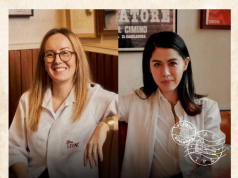
Dr Eugene Tan, CEO and Director, National Gallery Singapore said, “Ink has long been a key research focus for the Gallery. Presenting Southeast Asia’s first retrospective of He Xiangning is a significant milestone, and reflects our commitment to advancing ink scholarship and fostering dialogue between Singapore, Southeast Asia, and the wider world.”
Cheng Bin, Deputy Director, He Xiangning Art Museum said, “We are honoured to collaborate with National Gallery Singapore to present He Xiangning: Ink and Intent in Singapore. Following last year’s successful Georgette Chen exhibition in Shenzhen, this partnership continues our shared mission to promote cross-cultural dialogue and highlight influential women artists of the twentieth century.”
He Xiangning: Ink and Intent presents a chronological view of the artist’s life and career, opening with In Remembrance of Shuangqing Studio (1878–1925), which explores He’s early artistic education in Japan, where she trained under the Japanese imperial court painter Tanaka Raishō in 1908. During this period, she began painting lions and tigers – motifs that later became symbols of national strength and revival.
The second section, The Friends of Winter by the Shores of Baima Lake (1926–1937), examines He Xiangning’s move to Shanghai and Shaoxing, where she participated in several literary and artistic groups, including the Friends of Winter Society. During this period, she moved away from the meticulous style of her early works on silk and began working in ink on paper.
In 1929, He travelled to Southeast Asia and Europe, bringing over 300 artworks to hold fundraising art exhibitions in Manila and Singapore where she met overseas Chinese students and leaders, including key figures such as Khoo Seok Wan. Following the 1931 Manchurian Incident, she eventually returned to China to lead national civic activities, including organising the Calligraphy and Painting Exhibition for the Relief of National Crisis.
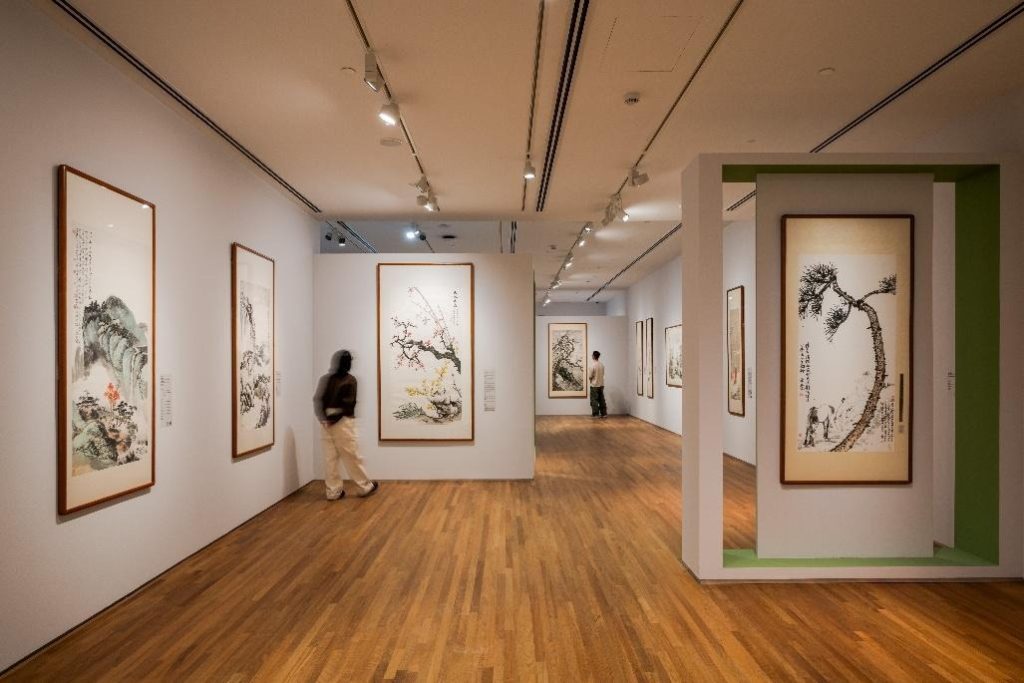
War and Frontier at Dusk (1938-1948) examines He’s artistic practice and personal life during the Second Sino-Japanese War and the dawn of the Second World War, as seen through her artworks and personal letters. Despite scarce resources, she continued to use art to rally support and express her patriotic ideals.
The final section, Longevity in Art and Life (1949-1972), explores He’s practice after the founding of the People’s Republic of China. Characterised by artist collaborations and reflection, the works in this section reveal how she continued to explore and play a key role in shaping the development of modern Chinese ink art in her later years.
Visitors can also further engage with the exhibition through a self-guided learning station exploring He Xiangning’s artistic world, including her poetry and recurring motifs such as pine, lions, and tigers. Poetry cards featuring her verses in Chinese and English are available for selection, and visitors may personalise them using stamps inspired by her signature imagery.
They are also encouraged to respond to reflective prompts through writing or drawing, with the option of contributing to a communal display that will evolve over the course of the exhibition. The learning station offers an educational introduction to He’s artistic style, highlighting her use of symbolism and the integration of poetry and painting in her Chinese ink works.