



























(Singapore, 06.04.2026)Global oil markets remain under intense pressure as the ongoing conflict involving the United States, Israel, and Iran continues to disrupt supply, even as OPEC+ signals a willingness to increase production once conditions improve.
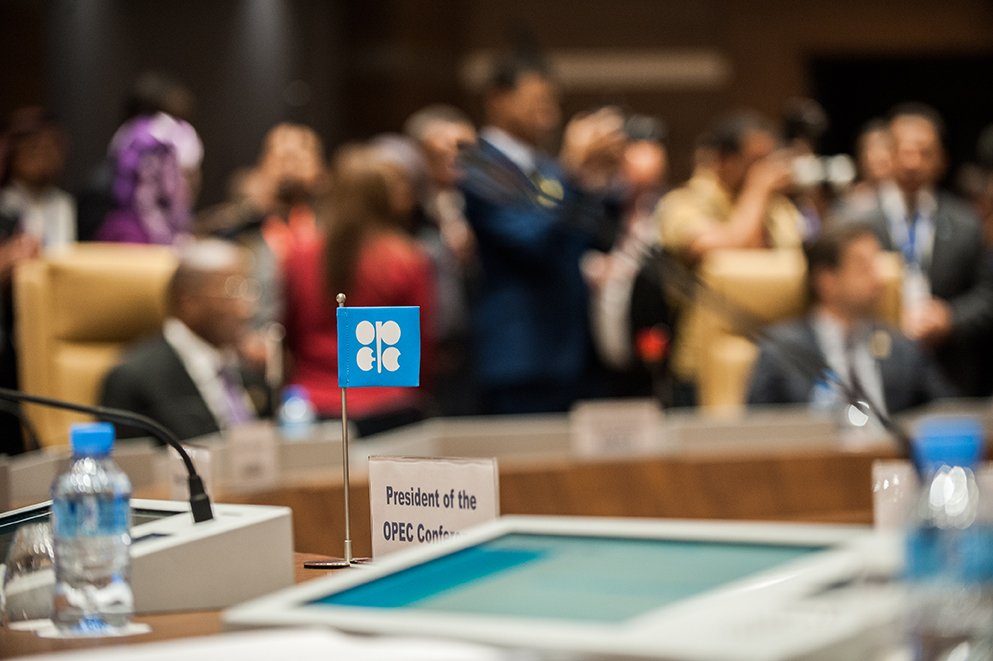
On Sunday, the alliance agreed to raise its oil output target by 206,000 barrels per day in May. However, industry analysts say this increase is largely symbolic, as the group’s key producers are currently unable to significantly boost supply due to the war’s impact on infrastructure and shipping routes.
At the heart of the disruption is the Strait of Hormuz, one of the world’s most critical energy corridors. Since late February, the waterway has been largely closed following Iranian attacks on shipping, effectively blocking exports from major Gulf producers such as Saudi Arabia, the United Arab Emirates, Kuwait, and Iraq.
Supply Increase in Name Only
While the announced output hike may suggest action, experts say it will have little real impact on the market for now.
The planned increase represents less than 2% of the estimated oil supply lost due to the Hormuz disruption. Analysts describe it as a signal of intent rather than an immediate solution, indicating that OPEC+ is ready to act quickly if the situation stabilizes.
In reality, even countries that previously had spare capacity are now facing significant constraints. Damage from missile and drone attacks on oil facilities across the Gulf has reduced production capabilities, and repairs could take months even if hostilities end soon.
Russia, another key member of OPEC+, is also struggling to raise output due to ongoing Western sanctions and infrastructure damage linked to the war in Ukraine.
Prices Surge as Global Supply Tightens
The supply crisis has pushed oil prices sharply higher in recent weeks. Prices briefly surged close to $120 per barrel, a four-year high, before easing slightly in volatile trading.
On Monday, Brent crude hovered around $109 per barrel, while U.S. crude traded near $111. Despite the relatively stable prices at the start of the week, markets remain highly sensitive to geopolitical developments.
The recent spike follows one of the largest oil supply disruptions in history. Estimates suggest that between 12 million and 15 million barrels per day, or up to 15% of global supply, have been affected by the conflict.
Some analysts warn that prices could climb even higher if the situation does not improve. JPMorgan has suggested oil could exceed $150 per barrel if the Strait of Hormuz remains closed into mid-May.
Uncertain Outlook as War Continues
Beyond the immediate supply shock, OPEC+ officials have expressed concern about the longer-term effects of the conflict.
Energy infrastructure across the Middle East has suffered significant damage, and restoring production capacity will be both costly and time-consuming. Attacks on oil facilities and export routes are not only disrupting current supply but also increasing market volatility.
There are early signs that diplomatic efforts could lead to a reopening of the Strait of Hormuz. Reports indicate that both Iran and the United States have received proposals to end hostilities, though uncertainty remains high.
While some vessels have managed to pass through the strait in recent days, overall traffic remains extremely limited. Political tensions continue to complicate the situation, with U.S. President Donald Trump warning of further escalation if the waterway is not reopened.
The disruption is being felt far beyond the Middle East. Higher oil prices are increasing costs for transportation and manufacturing, putting pressure on businesses and consumers worldwide.
OPEC+ is expected to continue monitoring the situation closely, with its next meeting scheduled for early May. For now, the key factor remains the Strait of Hormuz. Until the waterway fully reopens and supply routes normalize, any increase in production quotas is unlikely to translate into real barrels reaching the market.
While OPEC+ has made a move on paper, the global oil market continues to be driven by geopolitics, and the outcome of the conflict will determine how quickly stability can be returned.