

























(Singapore, 02.03.2026)Global markets were shaken on Monday as fighting between the United States, Israel and Iran intensified, sending oil prices sharply higher and pushing investors out of stocks and into safer assets like gold and the US dollar.
The most immediate impact has been felt on the oil market. Brent crude jumped more than 13% in early trading, briefly climbing above US$82 a barrel, its highest level in over a year — before easing back to around US$76–78. US crude also posted strong gains. At the same time, gold surged past US$5,300 an ounce, hitting fresh highs as investors sought safe-haven assets amid rising uncertainty.
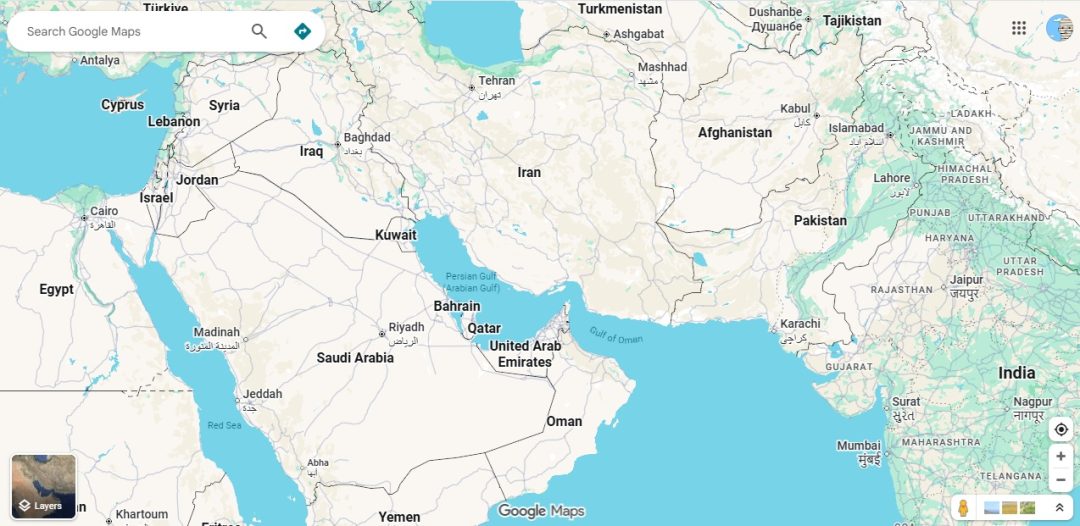
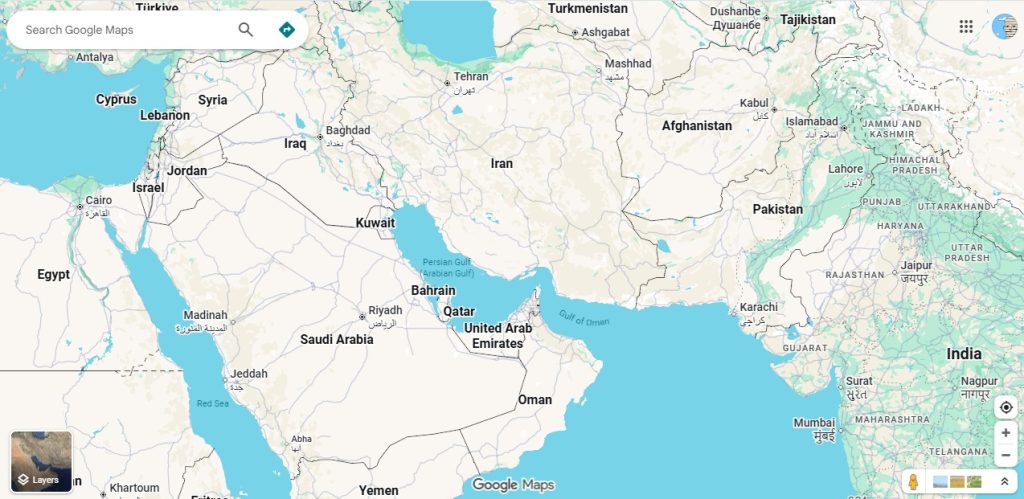
At the center of the oil shock is the Strait of Hormuz, one of the world’s most important energy chokepoints. About 20% of global oil and a similar share of liquefied natural gas pass through this narrow waterway between Iran and Oman.
While the strait has not been officially closed, shipping traffic has slowed sharply. Tankers are reportedly piling up on either side, wary of missile attacks and rising insurance costs. Iran’s Revolutionary Guards have claimed attacks on oil tankers in the Gulf, further heightening fears. If flows through Hormuz are seriously disrupted, analysts warn oil prices could spike to US$108 a barrel or even higher.
The conflict widened over the weekend. After US and Israeli strikes targeted key Iranian military sites and reportedly killed Iran’s Supreme Leader, Israel launched new air strikes linked to Iran-backed Hezbollah in Lebanon. Hezbollah responded with missiles and drones toward Israel.
US President Donald Trump signaled that military operations could continue for weeks, saying attacks would persist until American objectives are achieved. The US confirmed its first casualties, with three service members killed in Kuwait.
Iran has vowed to fight on, though some diplomatic signals suggest possible openness to de-escalation. For now, however, markets are bracing for a prolonged confrontation.
Oil Shock Becomes Global Economic Risk
Economists say oil is the key channel through which the war will affect the global economy.
Iran produces around 5% of global oil supply. A full disruption of its exports could lift prices by about 20%. But the bigger risk is Hormuz. If the strait were blocked, a fifth of the world’s oil supply would be affected, a scenario that could push prices sharply higher and possibly toward US$150 a barrel in a worst-case outcome.
History offers a warning. During the 1970s Middle East oil embargo, crude prices surged by 300%. Adjusted for today’s terms, that would equal roughly US$90 a barrel, a level that now seems easily within reach if the conflict escalates.
Higher oil prices act like a tax on the global economy. They raise fuel and transportation costs, increase electricity bills, and squeeze household incomes. Businesses face higher production costs, which can reduce profits and slow investment.
At the same time, rising energy prices risk reigniting inflation — just as many central banks were beginning to see price pressures at ease.
Major oil importers such as China, Japan, India and much of Europe would suffer the most. Japan, which imports nearly all its oil, saw its Nikkei index fall sharply, with airline stocks among the worst hit.
China is particularly exposed. It imports a large share of Iranian crude, often at discounted prices. If Iranian barrels disappear from the market, Chinese refiners will need to seek alternative supplies, likely at higher prices. That would add pressure to an economy already grappling with weak consumer demand and property sector troubles.
On the other hand, oil-exporting nations such as Russia, Canada and Norway could benefit from higher prices. The United States is now a net energy exporter thanks to shale production, which cushions its overall economy. However, American consumers would still feel pain at the pump.
Smaller emerging economies with limited foreign exchange reserves such as Argentina, Sri Lanka, Pakistan and Turkey face heightened risks in this environment. A sustained rise in oil prices could put pressure on their currencies, widen trade deficits and trigger capital outflows as global investors shift funds toward safer markets.
Markets Retreat as Investors Seek Safety
Equity markets across Asia and Europe fell as investors cut exposure to risk. US stock futures also declined. The mood has turned cautious after months of strong gains in many markets.
The US dollar strengthened as global investors sought safety. US Treasury bonds initially gained on safe-haven demand, though bond yields remain sensitive to inflation expectations. Gold, another traditional refuge in times of crisis, climbed further.
Some analysts caution that markets may have overreacted in the initial hours, especially if diplomatic talks resume. But others warn this episode could last longer than previous geopolitical flare-ups, particularly if shipping through Hormuz remains disrupted or if more US casualties occur.
The timing is delicate. The US Federal Reserve and other major central banks were already navigating a fragile environment. Economic data from the United States this week, including manufacturing surveys, retail sales and the crucial payrolls report, will now be scrutinized even more closely.
If growth weakens while oil-driven inflation rises, policymakers could face a difficult trade-off between supporting economic activity with rate cuts or keeping rates higher to contain inflation.
Markets currently expect possible US rate cuts later this year. But a sustained surge in oil prices could complicate that outlook.
Much will depend on what happens next. A limited conflict that stabilizes quickly could see oil retreat and markets recover. But a prolonged war, especially one that disrupts shipping through the Strait of Hormuz, would likely mean higher energy prices, renewed inflation pressure and slower global growth.