






















(Singapore, 19.03.2026)A major liquefied natural gas (LNG) hub in Qatar, the largest of its kind in the world, has suffered “extensive damage” following missile strikes, marking a sharp escalation in attacks on critical energy infrastructure across the Middle East and sending shockwaves through global markets.
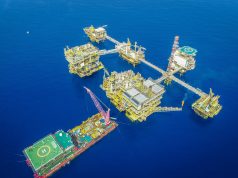
The facility, located in Ras Laffan Industrial City, plays an outsized role in global energy supply. Before production was halted earlier this month, it accounted for roughly one-fifth of the world’s LNG exports. Now, with multiple strikes hitting the complex and fires breaking out, concerns are mounting over how long disruptions could last and how far the economic impact may spread.
Energy Infrastructure Becomes the New Battleground
Qatari authorities said an Iranian missile struck the Ras Laffan complex late Wednesday after several others were intercepted. A follow-up attack early Thursday triggered additional fires, with state-owned QatarEnergy confirming that several LNG facilities were hit and sustained significant damage.
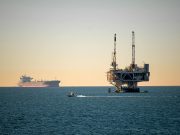
The sprawling industrial city, roughly one-third the size of New York City, is home to LNG processing plants, storage facilities, condensate units, and a major gas-to-liquids plant. The latter, partly operated by Shell, is also reported to have sustained extensive damage.
Despite the scale of the attack, officials said all personnel had been evacuated beforehand and no casualties were reported. Fires caused by the strikes were later brought under control.
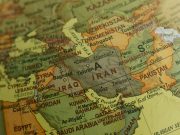
The attack on Qatar came shortly after Israel targeted Iran’s South Pars gas field, one of the most critical pillars of the country’s energy system. That strike marked a turning point in the conflict, shifting the focus from military targets to economic infrastructure.
Iran quickly responded by warning that energy facilities across the Gulf, including in Qatar, Saudi Arabia and the United Arab Emirates, were now “legitimate targets.” Within hours, the warning appeared to materialize.
In the UAE, Abu Dhabi halted operations at its Habshan gas facility after debris from an intercepted missile strike fell in the area. Saudi Arabia also said it had intercepted drones targeting gas infrastructure in its eastern region.
The widening scope of attacks suggests that energy assets are becoming increasingly central to the conflict, raising fears of prolonged disruption.
Global Markets on Edge as Supply Risks Grow
Amid the escalating crisis, US President Donald Trump called for restraint, urging both Israel and Iran to stop targeting energy facilities. At the same time, he issued a stark warning that any further Iranian attacks on Qatar’s liquefied natural gas infrastructure could trigger a massive US response against Iran’s South Pars gas field.
Trump said on his Truth Social platform that the US “knew nothing” about Israel’s earlier strike on the South Pars field, which Iran shares with Qatar, and emphasized that Qatar was also not involved. He added that Israel would refrain from further attacks on the site unless Iran targets Qatar’s LNG facilities again. In that case, Trump warned that the United States, with or without Israel’s support, would “massively blow up” the entire South Pars gas field with unprecedented force.
His administration is also scrambling to contain the economic fallout, including measures to ease energy transportation costs and consultations with industry leaders.
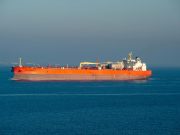
However, stabilizing the situation remains difficult, largely due to disruptions at the Strait of Hormuz, a vital shipping route for global oil and gas. The waterway remains heavily constrained, effectively limiting exports from the region even before the latest damage to Qatar’s facilities.
This has forced buyers, particularly in Asia and Europe, to seek alternative supplies, often at significantly higher prices. Analysts warn that even if shipping resumes soon, restoring full production could take months.
Energy markets have reacted sharply. Brent crude surged above $114 per barrel, extending a rally that has seen oil prices jump about 50% since the conflict began. Natural gas prices have also climbed, reflecting fears of tighter supply in an already strained market.
Asian economies are among the hardest hit, given their heavy reliance on Middle Eastern energy imports. Stock markets across the region have declined amid concerns that rising energy costs will fuel inflation and slow economic growth.
A Prolonged Crisis with Global Consequences
The targeting of major gas facilities marks a dangerous escalation, with analysts warning that uncertainty over supply disruptions will continue to drive volatility in global markets.
“A retaliatory attack on Ras Laffan is exactly what the global gas market feared most,” one industry expert said, noting that the full extent of the damage remains unclear.
The geopolitical fallout is also intensifying. Gulf nations have condemned the attacks as violations of sovereignty and threats to global energy security. Qatar has gone further, ordering Iranian military officials to leave the country within 24 hours.
With no clear resolution in sight, the crisis is increasingly seen as a turning point, not just for the region but for global energy stability.
From rising fuel prices to potential power shortages in gas-dependent economies, the ripple effects are already being felt. The key question now is whether diplomatic efforts can contain the conflict or whether further escalation will deepen disruptions to the world’s energy lifelines.