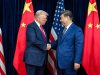
























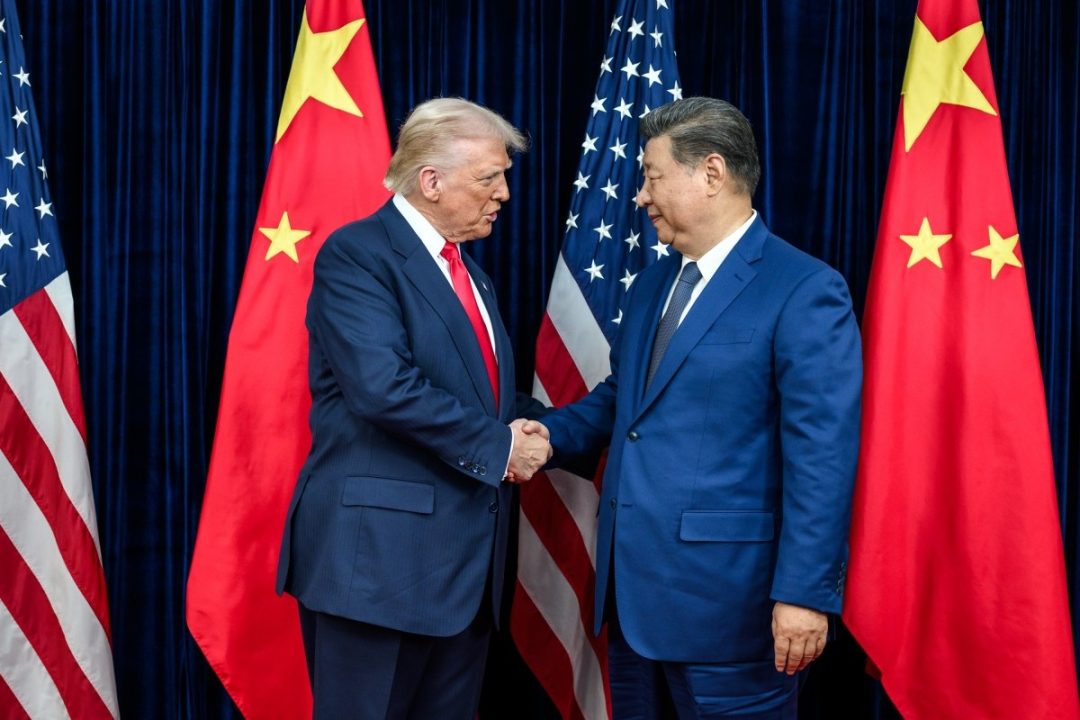
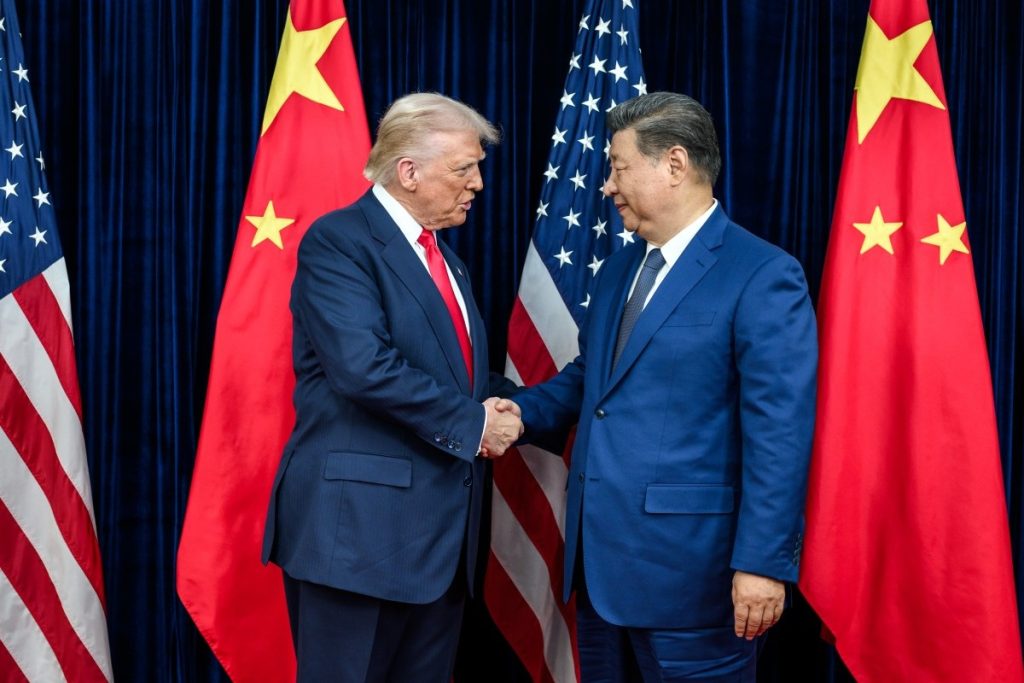

(Singapore, 17.03.2026)US President Donald Trump has asked China to postpone his upcoming summit with Chinese President Xi Jinping by about a month, saying he wants to remain in Washington to oversee the ongoing war with Iran.
The meeting between the leaders of the world’s two largest economies had been scheduled for March 31 to April 2 in Beijing and was expected to be a key moment in efforts to stabilize US-China relations. However, escalating tensions in the Middle East have shifted the White House’s focus.
Speaking during an event at the White House, Trump said the war situation made it important for him to stay in the United States rather than travel abroad.
“We’re speaking to China,” Trump said. “I’d love to go, but because of the war I want to be here. I think it’s important that I remain in Washington.”
The president added that the delay would likely be short, saying he had asked for the summit to be postponed “a month or so.” He stressed that the move was not related to tensions with Beijing and described the relationship between the two countries as positive.
“We have a very good relationship,” Trump said, adding that the decision was simply due to the current conflict.
Middle East Conflict Disrupts Energy Markets
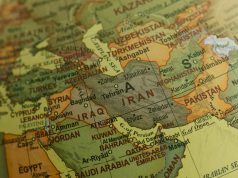
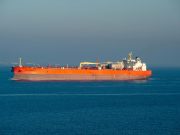
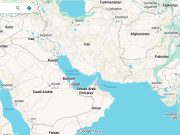
The request for a delay comes as tensions in the Middle East escalate. Iran has moved to block the strategically vital Strait of Hormuz, a narrow waterway through which roughly one-fifth of the world’s oil supply passes.
The disruption has already pushed global oil prices above US$100 per barrel and raised concerns about energy shortages and supply chain disruptions worldwide.
The United States has been urging major economies to help protect the shipping route and ensure the safe passage of oil tankers and cargo vessels. Trump has argued that countries benefiting from energy shipments through the strait should contribute to keeping it open.
“It’s only appropriate that people who benefit from the strait help to make sure nothing bad happens there,” Trump said in a recent interview.
The appeal was directed particularly at China, which is the largest importer of crude oil passing through the route.
However, Beijing has shown little sign that it plans to take such a step. Chinese officials have avoided committing to military involvement, and state media criticized the proposal.
A commentary in China’s state-run Global Times described Trump’s request as an attempt to spread the risks of “a war that Washington started and can’t finish.”
Experts say China traditionally avoids involvement in overseas military conflicts and prefers diplomatic solutions instead.
Wu Xinbo, a professor at Fudan University in Shanghai, said there is little incentive for Beijing to become directly involved in the conflict, according to a report by Bloomberg.
“That’s his war, not our war,” Wu said. “Why should China send ships there?”
China has maintained strong diplomatic relations with Iran and has also condemned the US-Israel military actions that triggered the conflict.
Trade Talks Continue Despite Possible Summit Delay
Despite uncertainty surrounding the summit, economic discussions between the US and China are continuing.
Senior officials from both countries recently met in Paris to prepare for the leaders’ meeting and discuss key issues affecting bilateral trade.
The US delegation included Treasury Secretary Scott Bessent and US Trade Representative Jamieson Greer. Their Chinese counterparts were led by Vice Premier He Lifeng and other senior economic officials.
According to US officials, the discussions focused on possible areas of cooperation, including trade purchases and investment.
One proposal being discussed is the creation of a new economic dialogue platform — described as a potential “US-China Board of Trade.” The mechanism could help both sides manage disputes and coordinate trade and investment policies.
Officials also discussed Chinese purchases of US agricultural goods such as poultry and beef, as well as potential sales of American aircraft, energy and other commodities.
US officials have also attempted to downplay speculation that the summit delay is being used as leverage to pressure China over the Strait of Hormuz.
Treasury Secretary Bessent said any change in the meeting schedule would be due mainly to logistics and Trump’s need to focus on managing the war effort.
“If the meeting is rescheduled, it would be because the president wants to remain in Washington to coordinate the war effort,” Bessent said in an interview.
White House Press Secretary Karoline Leavitt added that the summit itself is not in jeopardy.
“I don’t think the meeting is in danger,” she said. “It’s really just a matter of timing.”
According to people familiar with the discussions, Chinese officials had previously suggested holding the meeting later, possibly at the end of April, to allow more time for preparations and discussions on sensitive issues, including the status of Taiwan.
For now, both governments appear to be keeping communication channels open as they navigate the geopolitical tensions created by the Iran conflict. While the summit may be delayed, officials from both sides say they still expect the meeting between Trump and Xi to take place once conditions allow.