
























(Singapore, 16.03.2026)Global tensions are rising as the United States calls on other countries to help secure the Strait of Hormuz, a crucial shipping route for the world’s energy supplies that has been largely shut down amid escalating conflict with Iran.
US President Donald Trump has urged nations that depend on the waterway for oil imports to contribute military support, warning that allies, including members of NATO, could face consequences if they fail to act.
Global Energy Lifeline Under Threat
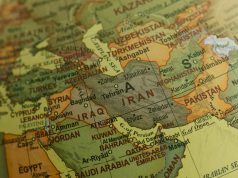
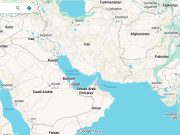
The Strait of Hormuz, located between Iran and Oman, is one of the world’s most important maritime chokepoints. Under normal conditions, about one-fifth of global oil and liquefied natural gas shipments pass through the narrow waterway.
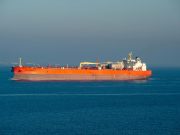
However, the ongoing war between the US, Israel and Iran has severely disrupted traffic through the strait. Iranian forces have targeted shipping and energy infrastructure in the region following US and Israeli airstrikes on Iranian military sites.
The disruption has sent shockwaves through global energy markets. Oil prices have surged above US$100 per barrel, reaching their highest levels in nearly four years after tanker traffic through the corridor was largely halted.
The conflict has also raised concerns about supply disruptions for major energy-importing countries across Asia and Europe, many of which rely heavily on Middle Eastern oil transported through the strait.
Trump Calls for Allies to Share the Burden
Speaking to reporters and in interviews with international media, Trump said the United States cannot shoulder the responsibility of securing the shipping route alone.
He argued that countries benefiting from the oil transported through the strait should contribute military resources to ensure it remains open.
According to the US president, Washington is currently in discussions with about seven countries regarding potential participation in securing the waterway. These efforts could involve sending naval vessels, minesweepers or other assets capable of countering threats such as drones and naval mines.
Trump also publicly urged several countries — including China, France, Japan, South Korea and the United Kingdom — to deploy warships near the strait to help escort commercial ships and deter Iranian attacks.
Iran has been accused of threatening maritime traffic using drones, missiles and naval mines. Although its military capabilities have reportedly been weakened by recent strikes, US officials say Tehran still has the ability to disrupt shipping in the narrow passage.
Trump also delivered a sharp warning to NATO allies, saying the military alliance could face a “very bad” future if its members fail to help secure the strait.
He expressed frustration that some allies had been slow to respond to Washington’s request for assistance. The US president specifically criticized Britain’s initial response, saying that while the United Kingdom is considered one of America’s closest allies, it hesitated to send naval support until after the US had already weakened Iran’s military capabilities.
Pressure on China and Rising Regional Risks
Trump also singled out China as a key stakeholder in the situation, pointing out that Beijing is one of the largest consumers of oil passing through the strait.
He suggested that China should help ensure the route remains secure and indicated that his planned summit with Chinese President Xi Jinping could be delayed if Beijing does not support efforts to reopen the waterway.
The meeting, scheduled to take place in Beijing at the end of March, is expected to address trade relations and other sensitive issues between the world’s two largest economies.
Senior officials from both sides are already meeting in Paris to prepare for the talks. US Treasury Secretary Scott Bessent and Chinese Vice Premier He Lifeng have begun discussions aimed at easing tensions in the ongoing trade dispute and paving the way for the leaders’ summit.
Despite pressure from Washington, some US partners have taken a cautious stance. Japan’s defense minister said the country currently has no plans to send warships to the Strait of Hormuz, emphasizing the importance of diplomatic efforts to calm the situation.
Meanwhile, the conflict continues to spread across the Middle East. Recent attacks have targeted energy infrastructure and military sites across several countries in the region.
Over the weekend, drones struck an oil terminal in Fujairah in the United Arab Emirates, temporarily halting operations at the major export hub. Missile and drone attacks have also been reported across Gulf states and Israel, raising fears of a broader regional conflict.
As the war enters its third week, uncertainty over how long it will last continues to unsettle global markets.
Energy analysts warn that any prolonged disruption to shipping through the Strait of Hormuz could push oil prices even higher and threaten global energy supplies, highlighting why securing the vital corridor has become a top priority for Washington and its allies.