
























(Singapore, 13.01.2026)U.S. President Donald Trump has injected new uncertainty into global markets by threatening to impose a 25% tariff on all U.S. trade with any country that continues doing business with Iran, a move that could disrupt supply chains, strain diplomatic ties and add volatility to already fragile trade relationships.
Trump announced the policy on Monday in a post on his Truth Social platform, declaring that the tariff would take effect “immediately.” He did not specify how the measure would be implemented, which countries would be affected, or the legal authority underpinning the action. There was also no formal documentation released by the White House, leaving investors, governments and companies to assess the potential fallout with little guidance.
From a market perspective, the threat is significant because of its breadth. Rather than targeting Iran directly, the proposal would penalize third countries by raising the cost of their exports to the United States. Since tariffs are paid by U.S. importers, the policy would likely push up prices for American businesses and consumers while pressuring multinational firms to reassess sourcing and trading relationships.
Trade Exposure and Market Sensitivities
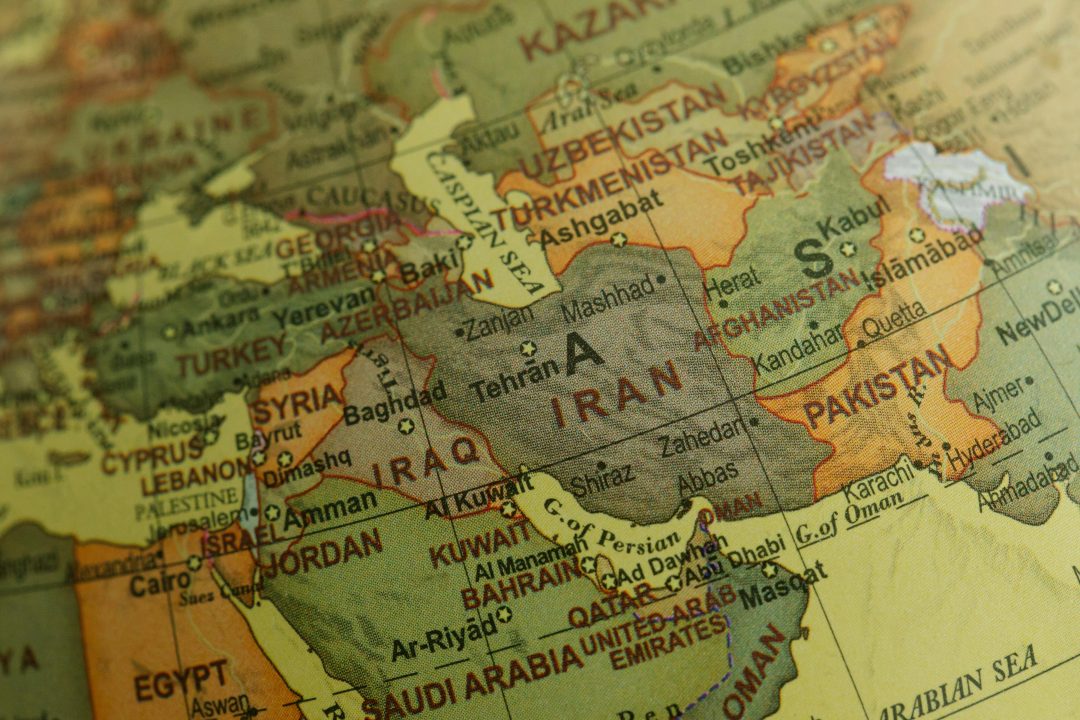
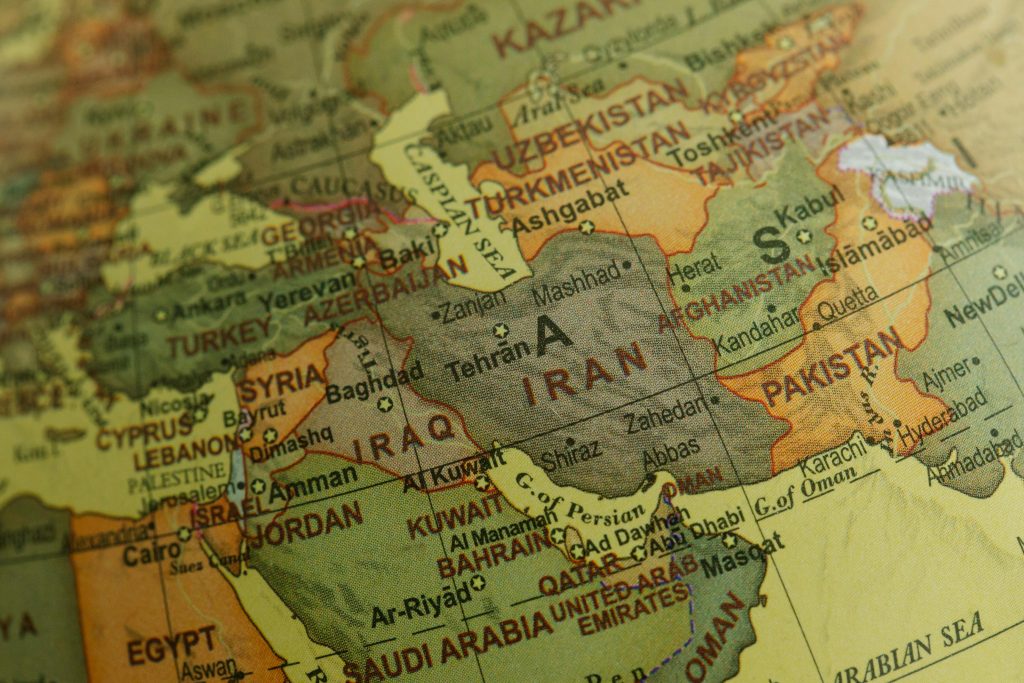
Iran has long been subject to U.S. sanctions, but it remains integrated into global trade networks, particularly in energy. It is a member of OPEC and continues to export large volumes of crude oil, with China as its largest buyer. Other important trading partners include India, Turkey, Iraq and the United Arab Emirates.
For markets, China stands out as the most consequential exposure. An additional 25% tariff on Chinese goods entering the U.S. could undermine the fragile trade truce reached late last year and reignite fears of a renewed U.S.-China trade war. Chinese independent refiners have been increasing their intake of Iranian crude, making Beijing particularly vulnerable to secondary pressure from Washington.
China’s embassy in Washington criticized Trump’s approach, warning that Beijing would take “all necessary measures” to protect its interests. It reiterated opposition to unilateral sanctions and emphasized that trade wars have no winners, language that markets have come to associate with the risk of retaliatory action.
India’s exposure is smaller in pure trade terms, with commerce with Iran accounting for about 0.15% of its total trade. However, investors are watching New Delhi’s strategic interests closely, especially its involvement in Iran’s Chabahar port. India signed a long-term agreement in 2024 to operate and expand the port, which provides access to Afghanistan and Central Asia while bypassing Pakistan. Any U.S. move that threatens this project could complicate India’s broader trade negotiations with Washington.
U.S. allies in Asia are also weighing the implications. Japan and South Korea said they are closely monitoring developments and assessing potential impacts once details become clearer. Both economies are deeply integrated into global supply chains, making them sensitive to sudden tariff shocks.
Geopolitics and Energy Risk
The tariff threat comes against a backdrop of severe political unrest in Iran, where weeks of protests have evolved from economic grievances into open challenges to clerical rule. The instability adds a geopolitical risk premium to energy markets, particularly given Iran’s location near the Strait of Hormuz, a critical chokepoint for global oil shipments.
Trump has publicly backed the protesters and warned Tehran against violent repression, while also signaling that diplomatic channels remain open. At the same time, he has indicated that stronger options, including military measures, are under consideration. For markets, this mix of pressure and ambiguity increases uncertainty, especially for oil prices and shipping insurance costs in the region.
Compounding the uncertainty is a pending decision by the U.S. Supreme Court on the legality of Trump’s existing tariffs. If the court rules against the administration, it could limit the president’s ability to impose new duties quickly, potentially weakening the credibility of the threat. Investors are watching closely, as the ruling could shape the future use of tariffs as a foreign policy tool.
Iran exported goods to 147 trading partners in 2022, according to World Bank data, highlighting how wide the potential impact could be if the policy is broadly enforced. Until Washington provides clarity, Trump’s announcement is likely to keep global markets on edge, amplify trade-related volatility and reinforce the sense that geopolitics, rather than fundamentals, will continue to drive risk sentiment in the months ahead.