

























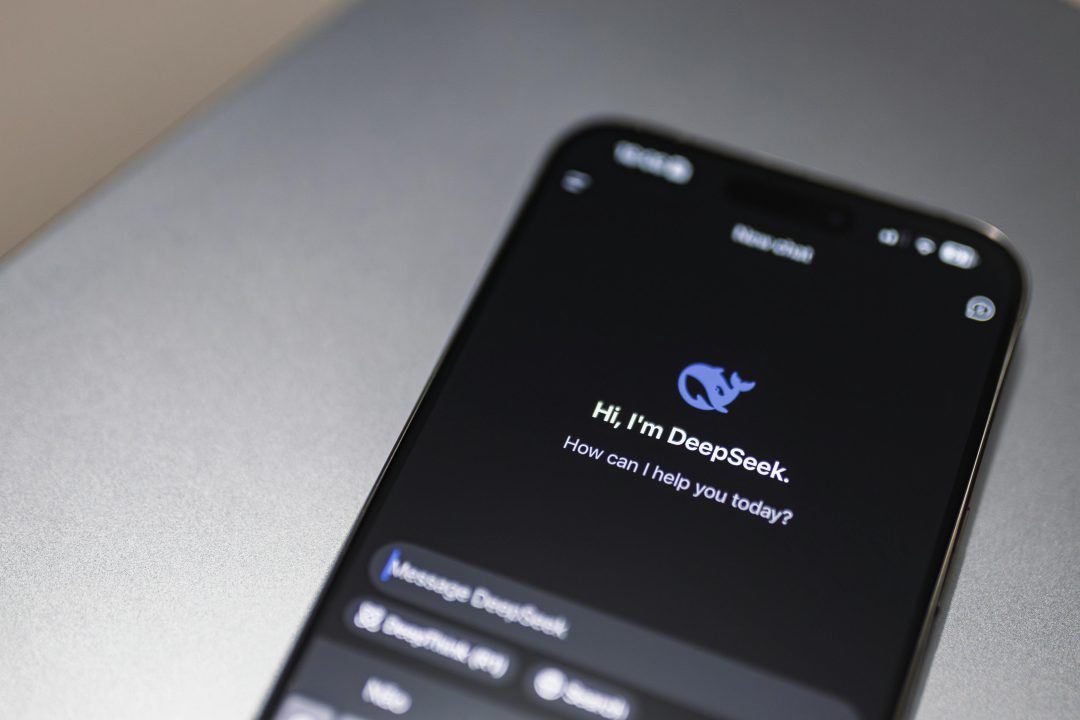
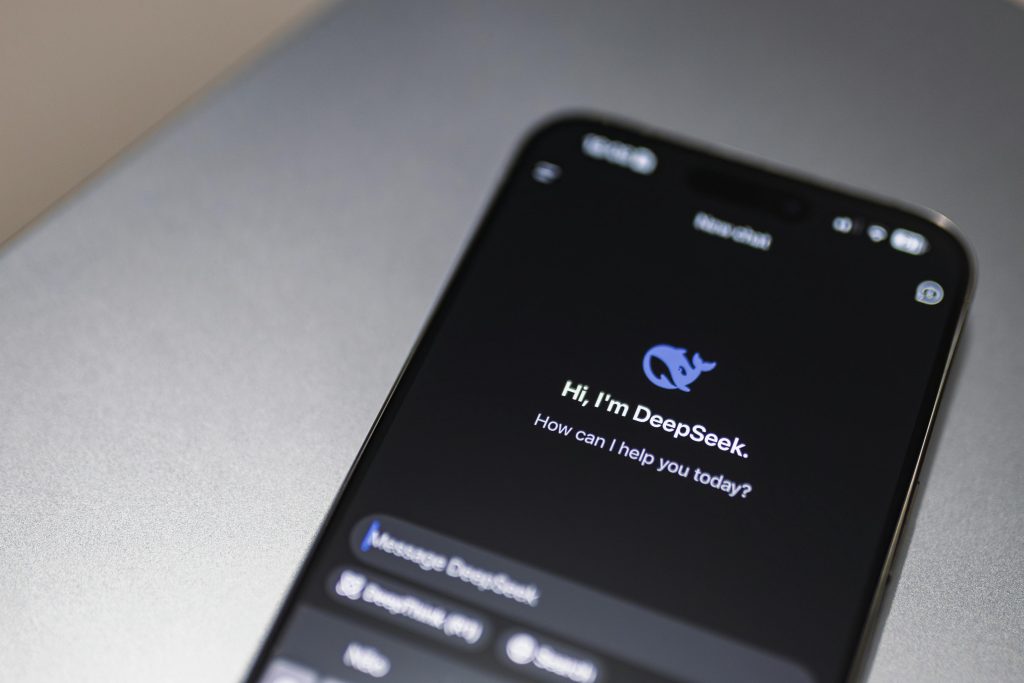

(Singapore, 24.02.2026)Chinese artificial intelligence startup DeepSeek may have trained its latest AI model using Nvidia’s most advanced chip, the Blackwell, despite strict U.S. export controls that prohibit such sales to China, according to a senior U.S. official.
According to an exclusive report by Reuters, the model — expected to be released as early as next week — was trained using Nvidia’s cutting-edge Blackwell chips, raising fresh concerns in Washington over whether American technology is still reaching China despite tightened restrictions.
The official, speaking on condition of anonymity, said the U.S. government believes DeepSeek used the advanced chips to power the training of its upcoming AI system. These chips are currently banned from being exported to China under U.S. Commerce Department rules.
“We’re not shipping Blackwells to China,” the official emphasized.
According to the source, the chips are likely installed in DeepSeek’s data center located in Inner Mongolia. The U.S. also believes that DeepSeek may attempt to remove technical traces that could reveal the use of American-made AI chips.
The official did not disclose how the U.S. government obtained the information or how DeepSeek may have acquired the chips. Neither Nvidia nor DeepSeek responded to requests for comment. The U.S. Commerce Department also declined to comment.
The Chinese embassy in Washington pushed back against the allegations. In a statement, it criticized what it described as the politicization of technology and trade issues. Beijing opposes “drawing ideological lines, overstretching the concept of national security, expansive use of export controls and politicizing economic, trade, and technological issues,” the embassy said.
Growing Policy Divide in Washington
The news adds fuel to an ongoing debate in Washington about how strict U.S. policy toward China’s AI development should be.
Advanced AI chips like Nvidia’s Blackwell are widely seen as strategic assets. These processors are essential for training large-scale AI models used in everything from commercial applications to defense systems.
Some lawmakers, often referred to as “China hawks,” argue that even limited access to such technology could strengthen China’s military capabilities and threaten U.S. leadership in artificial intelligence. They fear that chips intended for commercial use could easily be diverted to military projects.
On the other side of the debate are voices who argue that overly strict controls could backfire.
White House AI adviser David Sacks and Nvidia CEO Jensen Huang have both suggested that allowing some level of advanced chip sales to China could help maintain U.S. influence in the global AI market. Their argument is that if American companies completely withdraw, Chinese firms such as Huawei will accelerate efforts to develop domestic alternatives, potentially reducing U.S. dominance in the long term.
Shifting U.S. Policy on Advanced Chips
Export controls on advanced AI chips are overseen by the U.S. Commerce Department. Under current rules, Nvidia’s Blackwell chips are prohibited from being shipped to China.
In August, President Donald Trump signaled he might allow Nvidia to sell a modified, less powerful version of the Blackwell chip to Chinese customers. However, he later reversed that position, stating that the most advanced American AI chips should be reserved for U.S. companies.
In December, the administration allowed Chinese companies to purchase Nvidia’s second-most advanced chip, the H200. That decision drew sharp criticism from lawmakers concerned about national security.
However, shipments of the H200 chips have reportedly been delayed due to safeguards attached to the approvals.
Saif Khan, who previously served as director of technology and national security at the White House’s National Security Council under former President Joe Biden, said the situation highlights China’s ongoing reliance on foreign chip technology.
“Chinese AI companies’ reliance on smuggled Blackwells underscores their massive shortfall of domestically produced AI chips,” Khan said. He added that approving H200 sales could serve as a “lifeline” for Chinese AI firms struggling to access top-tier hardware.
The senior U.S. official declined to comment on whether the latest developments would affect the Trump administration’s decision regarding potential H200 sales to DeepSeek.
DeepSeek’s Rapid Rise and the AI Race
The official also said DeepSeek’s new model likely relied on a technique known as “distillation.” This process involves using an established and powerful AI model to evaluate and improve the responses of a newer model. In simple terms, the older model acts as a teacher, helping the newer system learn more efficiently by transferring knowledge.
According to the official, DeepSeek may have used leading U.S. AI models as part of this process. Companies such as Anthropic, Google, OpenAI, and xAI have previously raised concerns that Chinese firms were using distillation techniques to replicate or approximate their systems.
DeepSeek, based in Hangzhou, first grabbed global attention early last year when it released AI models that rivaled some of the best offerings from U.S. tech giants. The company’s rapid progress surprised many observers and fueled concerns in Washington that China could close the AI gap despite export restrictions.
The latest allegations, if confirmed, would further complicate efforts to limit China’s access to advanced American semiconductor technology.
As the AI race intensifies, policymakers face a difficult balancing act: protecting national security without accelerating the very competition they hope to slow.
With DeepSeek’s new model expected to launch soon, attention will now turn to whether the U.S. government tightens enforcement and how China responds in the next phase of the global AI competition.