



























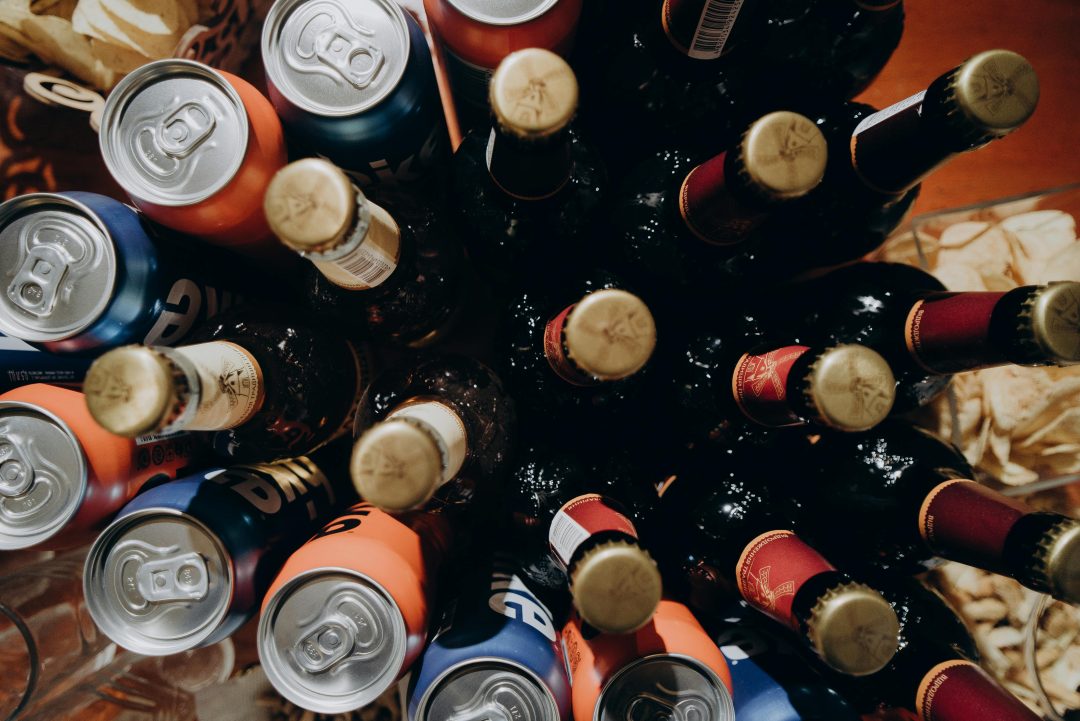

(Singapore, 10.04.2026)A growing shortage of packaging materials is beginning to ripple across Asia, as disruptions linked to the Middle East conflict tighten supplies of key inputs like glass bottles, aluminum cans, and plastic resin. The impact is now being felt by beverage producers in India and Malaysia, raising concerns over higher prices and potential supply shortages in the months ahead.
In India, major European alcohol companies including Pernod Ricard, Anheuser Busch InBev, Heineken and Carlsberg are urging the government to provide temporary relief from import duties on essential packaging materials. The request comes as the industry struggles to secure enough glass bottles and aluminum cans to meet rising demand.
A letter sent on April 2 by the Federation of European Business in India highlighted that local manufacturers are unable to operate at full capacity, worsening the supply crunch. The group has asked authorities to waive a 10% import duty on these materials, warning that without intervention, costs could climb even further.
India’s alcohol market, valued at around $65 billion (S$82.8 billion), is already under strain. Companies are facing rising expenses not only for bottles and cans, but also for cartons, labels and adhesives. Industry estimates suggest overall costs have increased by as much as 15%.
Passing these higher costs on to consumers, however, is not straightforward. In India, alcohol pricing is tightly regulated, and producers must obtain government approval to raise retail prices in most states. This has left many companies absorbing the additional costs, squeezing profit margins.
Supply chain disruptions deepen cost pressures
The situation is becoming more urgent as global supply chains remain disrupted. The ongoing conflict has affected shipping routes, particularly through the strategically important Strait of Hormuz, a key channel for energy and raw material flows. Although a temporary ceasefire between the United States and Iran has been announced, there is still no clear sign that normal shipping traffic has fully resumed.
The shortage is also linked to energy constraints. India’s glass manufacturing sector depends heavily on liquefied natural gas, and recent data shows imports have dropped to their lowest levels since early 2025. With less fuel available, production of glass bottles has slowed, adding to the bottleneck.
Beer makers are among the hardest hits. The Brewers Association of India has also called for duty exemptions, warning that supply shortages could disrupt production and reduce tax revenues. The beer industry alone contributes more than $5 billion (S$6.4 billion) annually in taxes to the government.
Industry leaders say imports may be the only short-term solution. However, sourcing packaging from alternative markets such as Southeast Asia could increase costs by up to 30%, further complicating the situation.
Some companies are already preparing for possible shortages as early as May. Without enough bottles and cans, production lines could slow or even halt, leading to reduced availability of products on store shelves.
Meanwhile, a similar but distinct challenge is unfolding in Malaysia, where the same geopolitical tensions are disrupting the supply of plastic materials.
The country is facing a shortage of polyethylene terephthalate, a key raw material used to produce plastic bottles and food containers. The supply disruption is again tied to reduced crude oil shipments through the Strait of Hormuz, which has affected petrochemical production.
Manufacturers in Malaysia say they are struggling to secure enough raw materials to maintain normal operations. Some have already raised prices of plastic products by between 15% and 40%, depending on the type of material.
Industry representatives warn that the situation could worsen if the conflict continues. Without sufficient crude oil, PET production slows, creating a cascading effect across the packaging supply chain.
The shortage is beginning to affect food and beverage companies as well. Dairy producer Farm Fresh, for example, has reported difficulties in securing enough plastic bottles, forcing it to explore alternatives such as carton packaging.
However, switching materials is not always a simple solution. Glass bottles, while an option, are heavier, more expensive and less efficient to transport. Recycling challenges also adds to the complexity, making it difficult for manufacturers to quickly adapt.
Consumers may soon feel the impact. Analysts warn that rising packaging costs could push up prices for a wide range of everyday products, from beverages to household goods.
There are also signs of changing consumer behavior in other parts of Asia. In South Korea, some shoppers have reportedly started stockpiling plastic products such as garbage bags in anticipation of further shortages.
Despite the challenges, some see a potential silver lining. The crisis has highlighted how dependent modern economies are on cheap and abundant packaging materials, particularly plastics. Experts suggest this could encourage greater use of reusable containers and more sustainable alternatives in the long run.
For now, however, the immediate concern remains supply stability. As long as disruptions to energy flows and shipping routes persist, industries across the region are likely to face continued pressure.
The situation underscores how closely interconnected global supply chains have become. A conflict thousands of kilometers away is now affecting everything from beer production in India to milk packaging in Malaysia, demonstrating that even basic materials like bottles and containers are not immune to geopolitical shocks.