






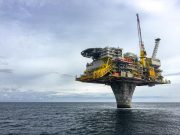

















(Singapore, 28.01.2026)As climate volatility accelerates worldwide, businesses are increasingly rethinking how weather-related risk is managed, with weather intelligence emerging as a growing focus in operational decision-making across industries.
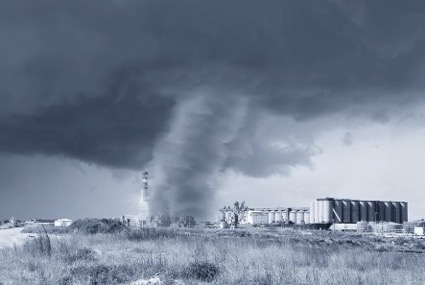
Extreme weather events — including hurricanes, floods, droughts and wildfires — are occurring more frequently and with greater intensity, disrupting industrial operations, supply chains and essential services. Beyond physical damage, the growing unpredictability of weather is raising the cost of poor decisions made under uncertainty.
According to a study by consultancy Oxera for the International Chamber of Commerce, nearly 4,000 extreme weather events across six continents between 2014 and 2023 resulted in an estimated US$2 trillion in economic losses, highlighting the scale of climate-related risk now facing businesses and governments.
Extreme weather now ranks among the fastest growing threats to business continuity as climate volatility escalates. And tackling the elements is no longer about simply reacting to the weather – but turning data into operational intelligence to build industrial resilience, says StormGeo.
“Every sector is weather-exposed – but few are truly weather-intelligent in their day-to-day operations. The real value emerges when weather insight is embedded directly into operational workflows, enabling faster, safer and better-informed decisions,” says StormGeo’s VP Weather Intelligence, Carsten Torbergsen.
Traditionally, companies have relied on weather forecasts largely as an external reference. But as operational margins tighten and climate-related disruption grows, forecasting alone is proving insufficient. Increasingly, organizations are seeking ways to translate meteorological data into operational insight — understanding not just what the weather will be, but how it will affect assets, people and decision thresholds.
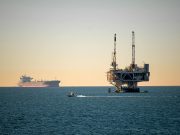
This shift is particularly visible in sectors where weather directly governs safety and continuity. In offshore energy and renewables, small changes in wind, waves or visibility can determine whether operations proceed or shut down. Utilities face mounting pressure as storms, icing and wildfires threaten grid stability, while recovery efforts depend on asset-specific impact assessments rather than general forecasts.
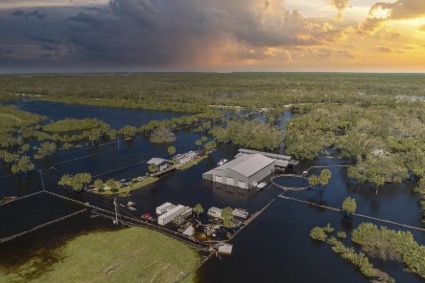
Supply chains are also exposed. Port closures, flooded transport routes and power disruptions can trigger cascading effects across regions and industries. Events such as Hurricane Ida in 2021 and the Thailand floods of 2011 demonstrated how localized weather shocks can translate into global economic consequences.
Healthcare systems are not immune. Heatwaves, severe storms and heavy rainfall have increasingly led to patient surges, evacuations and facility disruptions, adding further strain to already stretched services.
Against this backdrop, weather intelligence — which combines meteorological data, predictive analytics and operational context — is gaining attention as a way to support faster, more informed decisions. Rather than treating weather as a background variable, organizations are beginning to view it as a measurable operational factor that influences safety, uptime and financial performance.
Industry specialists argue that the key challenge is not access to data, but interpretation. Decision-makers need to know whether a forecast meets the accuracy and confidence levels required for specific operational actions, whether that involves maintenance scheduling, logistics planning or emergency response.
As climate uncertainty becomes a structural feature of the business environment, the ability to integrate weather insight into day-to-day operations is increasingly seen as a differentiator. While companies cannot control the weather, the way they prepare for and respond to it may play a growing role in resilience, cost control and long-term sustainability.