


























(Singapore, 10.03.2026)Global oil prices fell sharply on Tuesday after U.S. President Donald Trump suggested the war in the Middle East could end sooner than expected, easing fears of prolonged disruptions to global energy supplies.
Brent crude dropped about 6.6% to around $92.45 per barrel, while U.S. West Texas Intermediate (WTI) crude declined roughly 6.5% to $88.65. The sharp fall came just a day after oil prices briefly surged above $100 per barrel during a volatile trading session driven by geopolitical tensions.
Oil Rally Reverses After Trump Signals War May End Soon
On Monday, oil markets experienced dramatic swings as investors reacted to escalating conflict between the United States, Israel and Iran. Concerns that the war could disrupt energy shipments through the strategic Strait of Hormuz pushed crude prices sharply higher.
At one point during the session, Brent crude climbed to $119.50 per barrel while WTI reached $119.48, the highest level since mid-2022. The rally was fueled by fears that the conflict could severely disrupt global oil supply, particularly as several Gulf producers began cutting output.
However, prices began retreating later in the day after Trump indicated the military operation against Iran was progressing faster than expected.
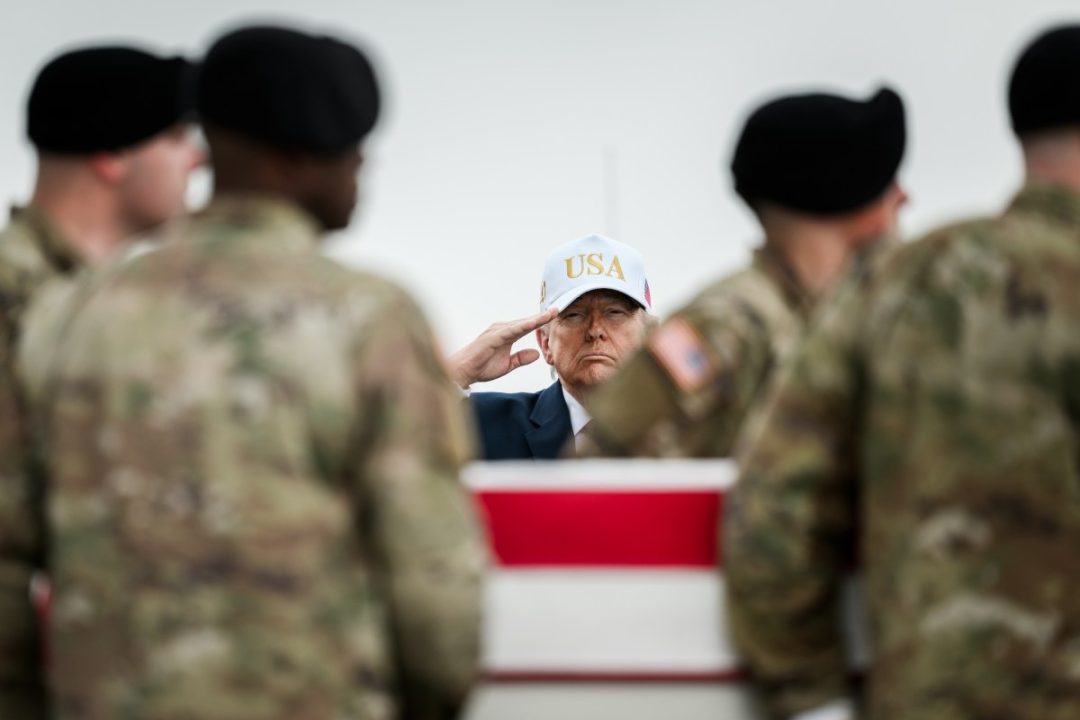
In an interview with CBS News, Trump said the war appeared “very complete” and that Washington was “very far ahead” of the original timeline of four to five weeks.
Those remarks eased market anxiety that the conflict could drag on and disrupt energy supplies for an extended period.
Markets were also reassured by reports that Trump had held a phone call with Vladimir Putin, during which Russia presented proposals aimed at reaching a quick settlement to the conflict.
The possibility of diplomatic progress helped calm traders who had been worried about further escalation across the Middle East.
Despite the easing prices, tensions remain high. Iran’s Revolutionary Guards warned that Tehran would decide when the war ends and threatened to halt all oil exports from the region if U.S. and Israeli attacks continue.
Even so, the statement did little to push prices higher, as traders focused more on potential steps by Washington to increase global oil supply.
Supply Concerns and Policy Moves Keep Markets on Edge
Trump also announced that the United States is temporarily waiving certain oil-related sanctions to ensure sufficient supply and prevent prices from rising too sharply.
Speaking at a press conference in Florida, he said some restrictions on oil exports would be lifted until shipping through the Strait of Hormuz stabilizes.
Although he did not specify which countries would benefit, Washington recently granted a 30-day waiver allowing the sale of Russian oil cargoes that had been stranded at sea. The move allowed shipments to continue to India, helping ease pressure on global supply.
The U.S. administration is also considering other measures to control energy prices. These include releasing oil from emergency reserves and potentially easing sanctions further on Russian oil producers.
Analysts say such policies could help stabilize markets if the conflict continues.
Even as prices dropped Tuesday, the oil market remains fragile because of production disruptions across the Gulf region.
Several major producers have already cut output as the conflict disrupted shipping routes.
Iraq reduced production at its main southern oil fields by roughly 70%, lowering output to around 1.3 million barrels per day. Kuwait has also started trimming production and declared force majeure at some facilities, while Saudi Arabia has reportedly begun scaling back output as well.
These cuts, combined with shipping disruptions through the Strait of Hormuz — a critical route that normally handles about one-fifth of the world’s oil supply — have kept markets on edge.
Group of Seven (G7) nations said they are prepared to act if necessary to stabilize energy markets. While the group stopped short of announcing an immediate release of strategic reserves, officials said they were ready to implement measures if prices continue to surge.
The sharp drop in oil prices also helped stabilize global financial markets.
Asian stocks rebounded strongly after Monday’s turbulence. Japan’s benchmark Nikkei 225 rose more than 3%, while South Korea’s Kospi surged over 6%, triggering a temporary trading curb as futures jumped sharply.
Currencies also reacted to the easing oil prices. The U.S. dollar weakened slightly as investors moved away from safe-haven assets, while risk-sensitive currencies such as the Australian dollar stabilized.
Despite Tuesday’s relief, analysts caution that oil markets could remain highly volatile in the coming weeks.
Market analysts expect crude prices to trade within a wide range depending on how the geopolitical situation evolves, especially whether shipping routes reopen fully and whether the conflict between Iran and its opponents moves toward a diplomatic resolution.
For now, investors remain cautious.
While Trump’s remarks have helped reduce immediate fears of a prolonged energy crisis, the Middle East conflict continues to pose a major risk to global oil supply and financial markets.