



























(Singapore, 15.04.2026)The United States is preparing to roll out a major tariff refund system next week, marking a significant development for businesses affected by previously imposed trade duties. The move comes after a landmark court ruling earlier this year invalidated a large portion of tariffs introduced by President Donald Trump’s administration.
According to officials, the new system, set to launch on April 20, will handle refunds for an estimated US$166 billion (S$211 billion) in tariffs paid by American importers. The U.S. Supreme Court struck down these tariffs in February, ruling that the administration had exceeded its legal authority.
Streamlined Refund System for Businesses
The refund platform, developed by U.S. Customs and Border Protection, is known as the Customs Automated Payment Engine (CAPE). It is designed to simplify what could otherwise be a highly complex process.
Instead of issuing refunds for each individual shipment, CAPE will consolidate payments, allowing businesses to receive a single electronic refund. In cases where applicable, interest will also be included. This approach is expected to save time and reduce administrative burdens for both companies and the government.
Officials confirmed that the first phase of the system has been completed. As of early April, more than 56,000 importers had already registered for electronic refunds, covering about US$127 billion (S$161 billion) of the total amount.
The agency plans to introduce the system in stages, initially focusing on more recent imports and simpler cases. However, some refunds, particularly those involving about US$2.9 billion (S$3.7 billion) in tariffs, may still require manual processing, which could slow the process.
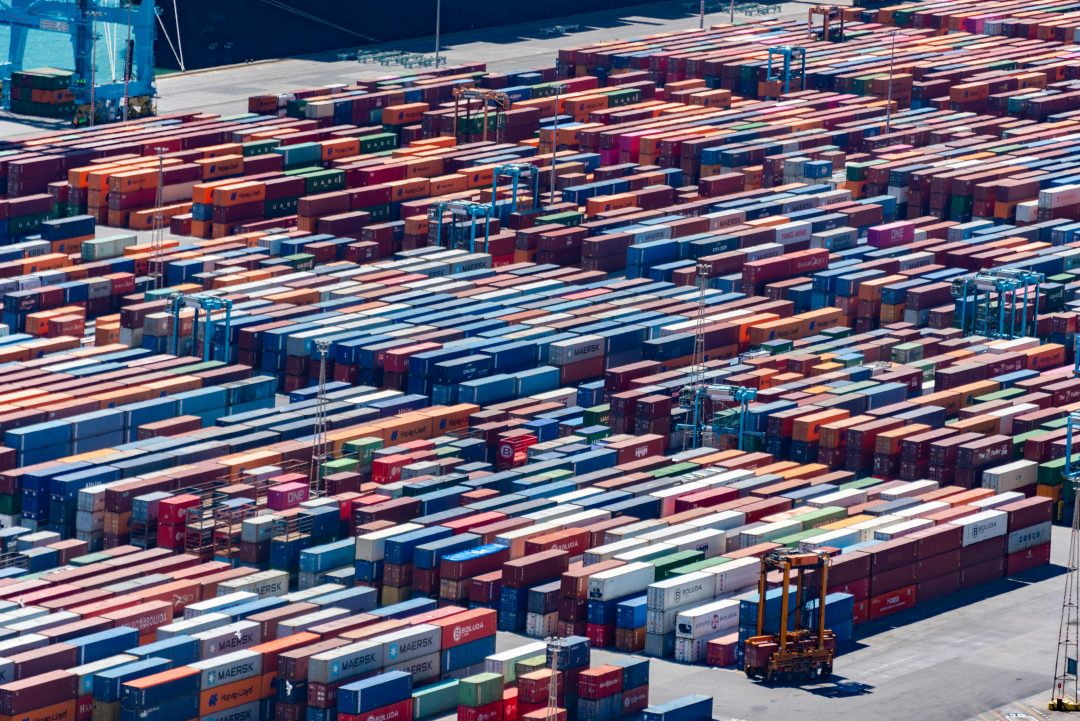
The scale of the refund effort is unprecedented. Court documents show that more than 330,000 importers paid the affected tariffs across roughly 53 million shipments of goods. Following the court’s decision, many importers filed lawsuits with the U.S. Court of International Trade, which is now overseeing the refund process.
While the system promises efficiency, not all businesses are equally positioned to benefit. Smaller importers, in particular, have expressed concern that the cost and effort required to claim refunds could outweigh the potential returns. Some companies have even explored alternative financing strategies to access expected refunds sooner.
Tariffs May Return Despite Court Ruling
The refund program follows a major legal setback for Donald Trump’s tariff strategy. The U.S. Supreme Court ruled that the administration had improperly used the International Emergency Economic Powers Act, a law intended for national emergencies, to justify sweeping global tariffs.
In response, Trump criticized the ruling and moved quickly to introduce new tariffs under different legal frameworks. Among them is a temporary 10% tariff on a wide range of imports, which is scheduled to expire on July 24.
At the same time, the administration has initiated new trade investigations under Section 301 of the Trade Act, a more established legal pathway for imposing tariffs. These investigations target issues such as industrial overcapacity and alleged forced labor practices in other countries.
Despite the court ruling, the broader direction of U.S. trade policy remains uncertain. Treasury Secretary Scott Bessent recently indicated that tariff levels could return to their previous highs as early as July.
Speaking at a public event, Bessent said the government is actively conducting Section 301 studies that could justify reintroducing tariffs similar to those that were struck down. Because this legal approach has already been tested in courts, he suggested that businesses may have more clarity when planning future investments.
The possibility of tariffs being reinstated so quickly adds another layer of uncertainty for companies engaged in global trade. While some firms may benefit from refunds in the short term, they could soon face a renewed wave of import duties.
Scott Bessent also offered a relatively optimistic view of the U.S. economy, stating that growth could exceed 3% this year. He pointed to declining core inflation, which excludes volatile food and energy prices, as a positive sign.
However, the broader inflation picture remains complex. Recent data showed that while core inflation is easing, overall consumer prices rose sharply due to higher energy costs. This mixed signal has complicated expectations around interest rates and monetary policy.
Bessent argued that the Federal Reserve may have been overly cautious on inflation and suggested that interest rates could eventually fall more significantly once clearer data emerges.
For businesses, the combination of refunds, potential new tariffs, and shifting economic conditions creates a challenging environment. While the CAPE system offers a path to recover past costs, the possibility of tariffs returning in just a few months means companies must remain cautious.