

















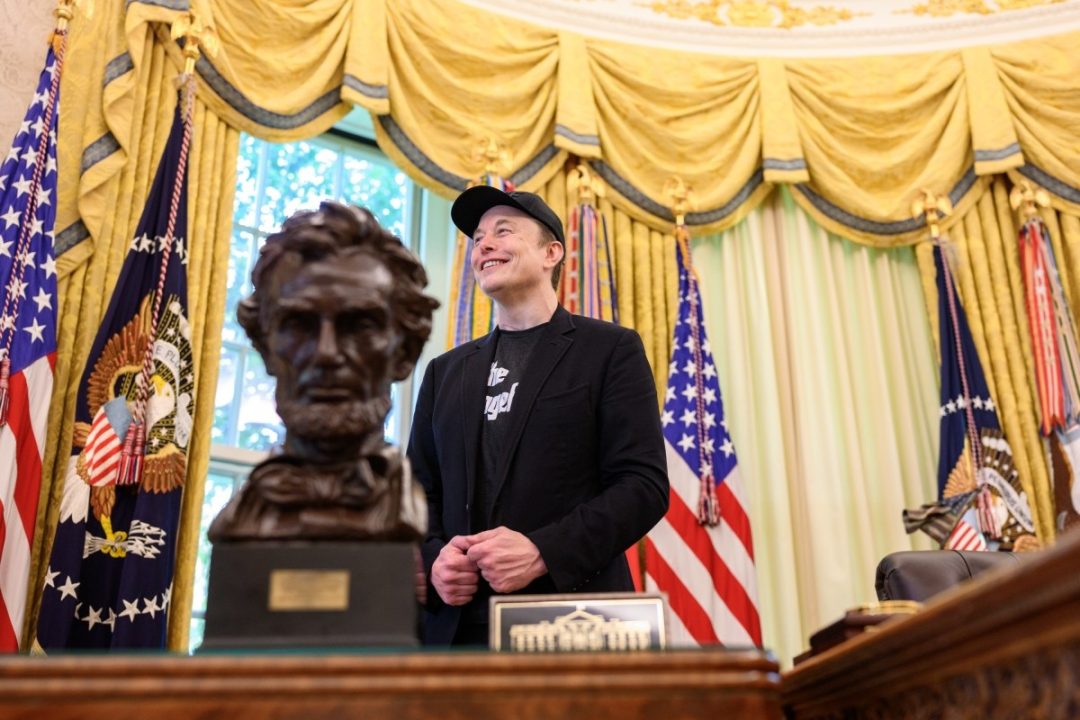
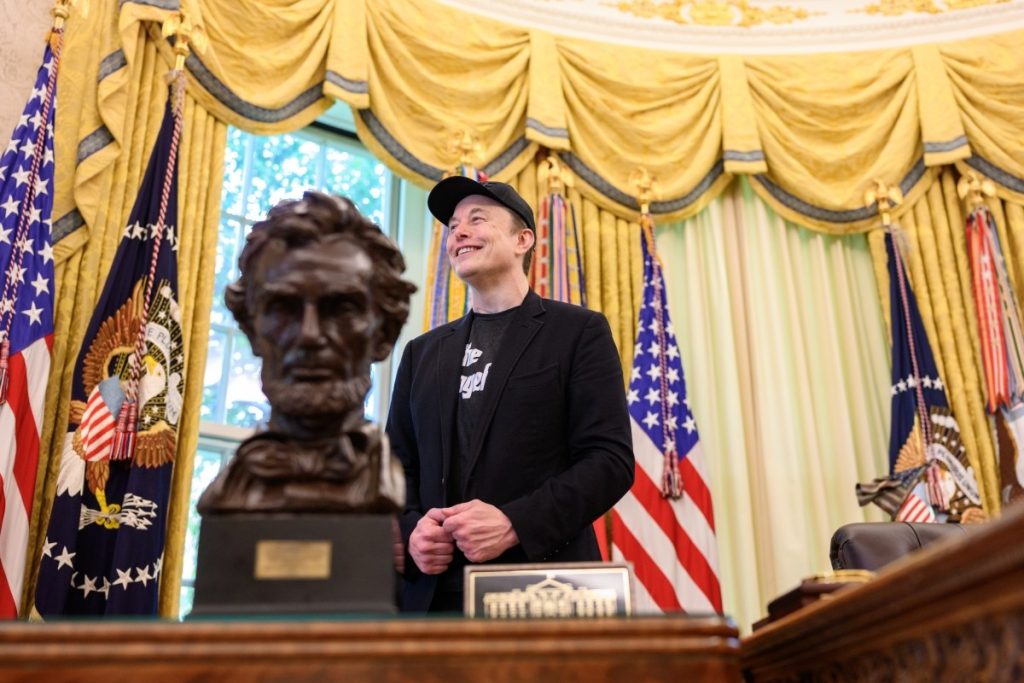
(Singapore, 16.04.2026)Elon Musk is accelerating his push into the semiconductor industry, urging suppliers to move at what he calls “light speed” on a new initiative known as Terafab. The project, if realized, could significantly reshape how advanced chips are produced and position Musk as a serious player in one of the world’s most complex industries.
The effort is backed by Musk’s companies including Tesla, SpaceX and xAI. While still at an early stage, recent moves suggest that groundwork is already being laid for what could become one of the most ambitious industrial undertakings in modern history.
A Race to Build and Scale
In recent weeks, teams linked to Terafab have reached out to major semiconductor equipment suppliers such as Applied Materials Inc., Tokyo Electron Ltd. and Lam Research Corp. They request price quotes and delivery timelines for critical chipmaking tools, including systems used for etching, deposition, cleaning and testing.
According to people familiar with the discussions, these requests have come with tight deadlines and limited technical details. In one instance, a supplier was asked on a Friday to provide a quote by the following Monday, underscoring the urgency behind the project. The Terafab team has also indicated it may be willing to pay above standard rates for suppliers that can prioritize their orders, Bloomberg reported.
The scale of Musk’s ambition is striking. Terafab is expected to eventually deliver up to one terawatt of computing capacity annually, a level that could rival or exceed the current output of the global semiconductor industry. If successful, it would place Musk in direct competition with established leaders such as Taiwan Semiconductor Manufacturing Company and Intel.
Intel has already shown early support, with CEO Lip-Bu Tan acknowledging collaboration discussions. Musk also recently visited Intel’s facilities, signaling growing alignment between the two sides. Meanwhile, Terafab has approached Samsung Electronics for support, though the company has instead proposed expanding Tesla’s access to its planned chip plant in Texas.
Big Vision, Big Questions
Musk’s companies already design their own chips, particularly for Tesla’s autonomous driving systems, but they have not manufactured semiconductors on scale. Terafab aims to change that by bringing the entire process in house, from design and photomask production to fabrication, testing and packaging.
The project is expected to begin with a pilot production line in Austin, Texas, capable of processing around 3,000 wafers per month. The long-term goal is to start producing silicon chips by 2029 and then expand rapidly. These chips would support a wide range of Musk’s ambitions, including robotaxis, humanoid robots, artificial intelligence systems and even space-based data infrastructure.
The financial requirements are enormous. Analysts estimate the full vision could require between $5 trillion (S$6.35 trillion) and $13 trillion (S$16.53 trillion) in investment. This reflects not only the cost of building advanced fabrication plants but also the complexity of coordinating a vast supply chain that includes everything from industrial gases to precision manufacturing equipment.
A key player in that supply chain is ASML, the only company capable of producing the extreme ultraviolet machines needed for cutting edge chips. It remains unclear whether Musk’s team has engaged with ASML, but access to such technology would be essential.
Beyond building factories, Terafab appears to be evolving into a broader ecosystem. Rather than relying on existing suppliers, Musk’s approach suggests creating a vertically integrated system that combines chip production, infrastructure and computing capacity under one umbrella. This aligns with his broader strategy of building in house when external partners cannot meet the required speed or scale.
The urgency behind the project is driven by surging demand for artificial intelligence computing. Companies such as Amazon and Alphabet are investing heavily in data centers, putting pressure on global chip supply. Musk has argued that the current pace of semiconductor production is insufficient to meet future AI needs.
Still, skepticism remains widespread. Building even a single advanced chip plant is a multi-year effort that costs tens of billions of dollars. Terafab’s vision, which could involve multiple sites and unprecedented scale, goes far beyond existing industry models. Some analysts believe the project may ultimately result in more limited outcomes, such as expanded partnerships rather than full scale independence.
Even so, Musk’s track record continues to shape expectations. From commercializing space travel with SpaceX to bringing electric vehicles into the mainstream with Tesla, he has repeatedly pursued ideas that once seemed unrealistic. Terafab may follow a similar path, though whether it reaches its full ambition remains uncertain.