




















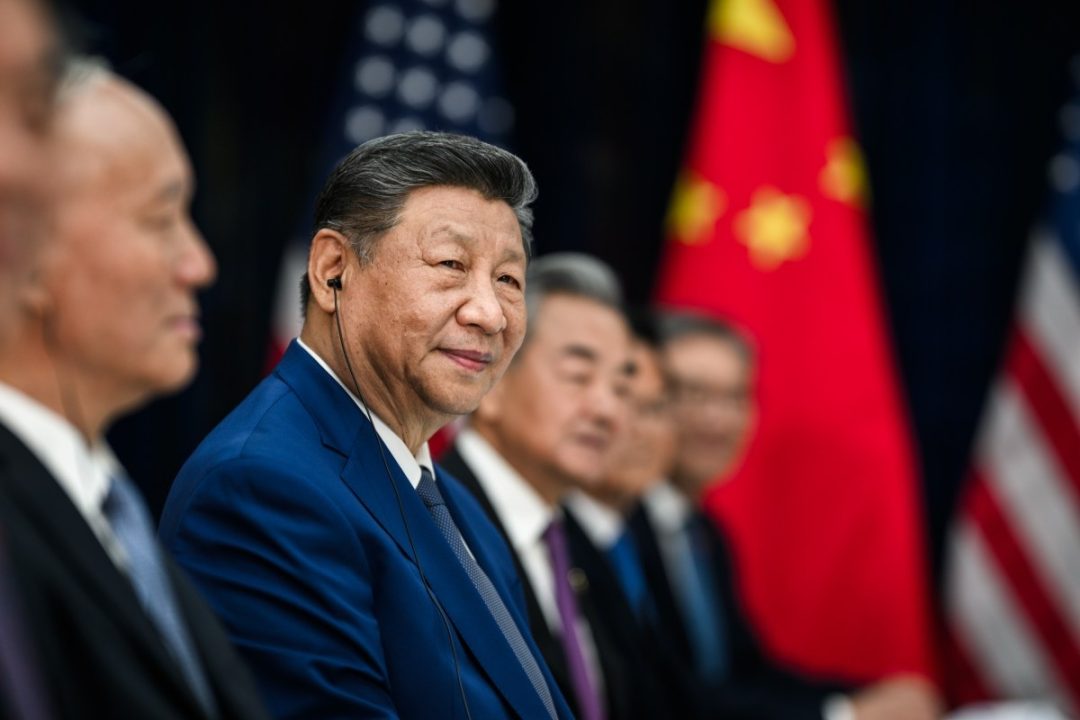
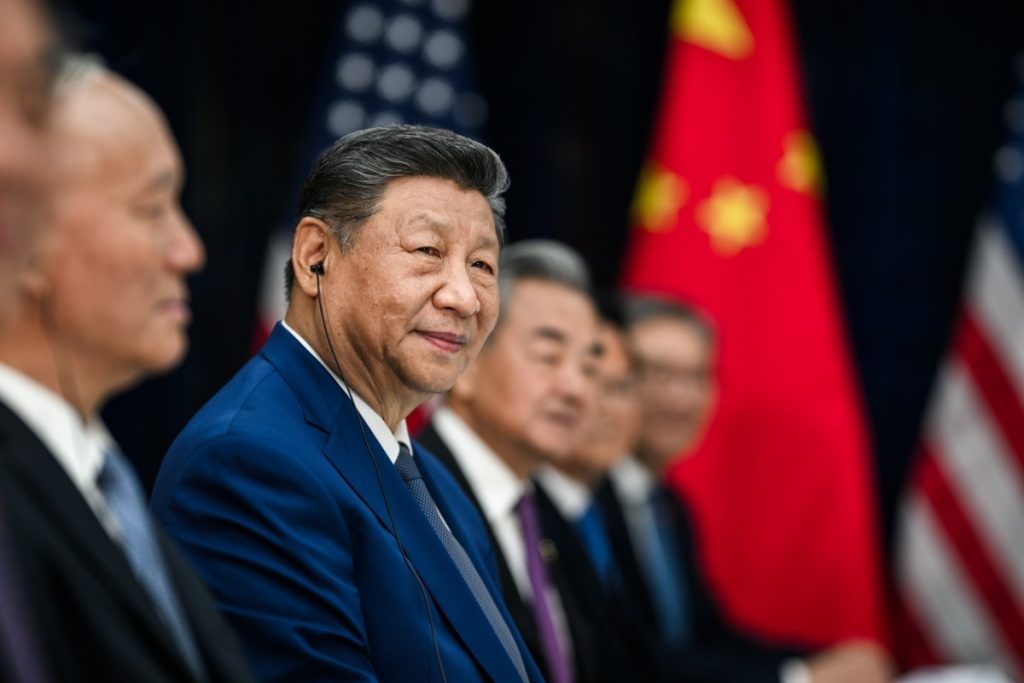
(Singapore, 11.05.2026)United States President Donald Trump will travel to China from May 13 to 15 for a major summit with Chinese President Xi Jinping, as both countries seek to stabilize relations amid growing geopolitical and economic tensions.
The visit, officially confirmed by China on Monday, marks Trump’s first trip to China since 2017 and the first face-to-face meeting between the two leaders in more than six months. The summit had reportedly been delayed earlier due to the ongoing conflict involving Iran.
Talks between the leaders are expected to cover a wide range of sensitive issues, including trade, Taiwan, artificial intelligence (AI), nuclear weapons and the war involving Iran. Officials from both sides are also expected to discuss extending an existing trade truce that allows the continued export of rare earth minerals from China to the United States.
The meeting comes at a crucial time for the world’s two largest economies, which have faced increasing friction over tariffs, technology restrictions and geopolitical rivalry.
Trade, Rare Earths and Business Deals in Focus
US officials said both countries are expected to announce several economic cooperation initiatives during the summit. These may include new trade and investment forums aimed at improving business ties between the two nations.
China is also expected to announce purchases involving Boeing aircraft, American agricultural products and energy supplies, according to officials familiar with the discussions.
Among the proposals expected to be unveiled are plans for a Board of Trade and a Board of Investment to strengthen economic coordination between both governments. However, officials noted that further negotiations would still be needed before the mechanisms become fully operational.
One of the most closely watched topics will be the future of the rare earth minerals agreement reached last year. The deal helped ease tensions after both countries imposed aggressive trade restrictions during an escalating tariff dispute.
Rare earth minerals are critical for manufacturing products such as smartphones, electric vehicles, semiconductors and military equipment. The United States has been eager to ensure stable supplies from China, which remains the world’s dominant producer.
Although no immediate extension of the agreement has been confirmed, US officials said they remain optimistic that the arrangement will continue.
The summit also takes place as China faces rising economic pressure linked partly to the Iran conflict. Data released on Monday showed China’s factory inflation rose at its fastest pace since the COVID-19 pandemic, driven mainly by higher energy and commodity costs.
Producer prices climbed 2.8 per cent in April compared with a year earlier, while consumer inflation also increased unexpectedly. Economists said the rising costs are adding pressure on Chinese manufacturers already dealing with weak domestic demand.
Iran and Taiwan Set to Test US-China Relations
The ongoing Iran conflict is expected to become one of the summit’s most difficult topics.
China remains one of Iran’s largest diplomatic partners and a major buyer of Iranian oil. Meanwhile, the Trump administration has been urging Beijing to use its influence to pressure Tehran into reaching a peace agreement with Washington.
The conflict, which began after US and Israeli strikes on Iran earlier this year, has already triggered serious disruptions in global energy markets and contributed to rising oil prices worldwide.
Recent tensions between Washington and Beijing have also intensified after the US Treasury imposed sanctions on several Chinese oil refiners accused of processing Iranian crude oil. China publicly criticized the sanctions and reportedly instructed companies to continue operations despite US pressure.
At the same time, China has maintained close diplomatic engagement with Iran. Just last week, Beijing hosted Iran’s foreign minister ahead of Trump’s visit, signaling continued coordination between both countries.
Analysts believe the reopening and security of the Strait of Hormuz, a key route for global oil shipments, will likely be discussed during the summit as both countries seek to prevent further disruption to global energy supplies.
Taiwan is also expected to feature prominently in discussions between the two leaders.
Beijing views Taiwan as part of its territory and has repeatedly warned against foreign support for the self-governed island. The United States, however, remains Taiwan’s most important international supporter and arms supplier.
China has increased military activities near Taiwan in recent years, raising concerns in Washington and among regional allies. US officials said American policy regarding Taiwan would remain unchanged despite Beijing’s objections.
Chinese analysts believe Xi may push Trump to publicly oppose Taiwanese independence during the summit, although no major breakthrough is expected on the issue.
AI and Nuclear Weapons Talks Add New Dimension
Another key area of discussion will be artificial intelligence.
US officials have expressed growing concern over China’s rapid development of advanced AI technologies. Both governments are reportedly considering establishing a communication channel to reduce the risk of misunderstandings or conflicts involving AI systems.
Officials said the summit could serve as a starting point for future AI-related dialogue between the two countries.
Meanwhile, Washington is also expected to raise the issue of nuclear weapons. The US has long sought formal arms control discussions with China, but Beijing has so far shown little interest in negotiating limits on its nuclear arsenal.
According to US officials, Chinese representatives have privately indicated they are not prepared to enter formal nuclear arms discussions at this stage.
Despite deep disagreements on several issues, analysts say both Trump and Xi appear eager to prevent relations from deteriorating further, especially as global markets remain sensitive to tensions between the two superpowers.