


















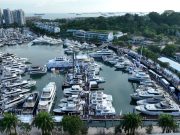




(Singapore, 25.04.2026)The Singapore Yachting Festival, currently held at Sentosa Cove, is steering itself in a new direction as it evolves from a conventional trade show into a lifestyle-oriented event, reflecting wider changes in Asia’s developing yachting industry.
Organizer ONE°15 Events Management told Fortune Times that the annual festival, launched in 2023, is no longer focused solely on securing sales transactions. Instead, it aims to engage a broader audience by offering immersive experiences and curated activities, with the goal of reducing the perception that yachting is an exclusive domain for the ultra-wealthy.
ONE°15 Marina, located at Sentosa Cove, does not sell or own yachts. It operates as a marina manager and facilitator, providing the infrastructure and platform for yacht transactions, chartering, and related experiences.
As regional markets such as Thailand and Indonesia continue to grow, and younger affluent consumers increasingly seek experiential luxury, the festival is positioning itself as a gateway to future demand. While Singapore’s physical constraints may curb the island’s boat numbers, demand may tilt instead toward larger, higher-value vessels.
“We anticipate that the boats in Singapore will get bigger and bigger, but the number of boats may not necessarily go up,” said Jonathan Sit, regional general manager of ONE°15’s marina division.
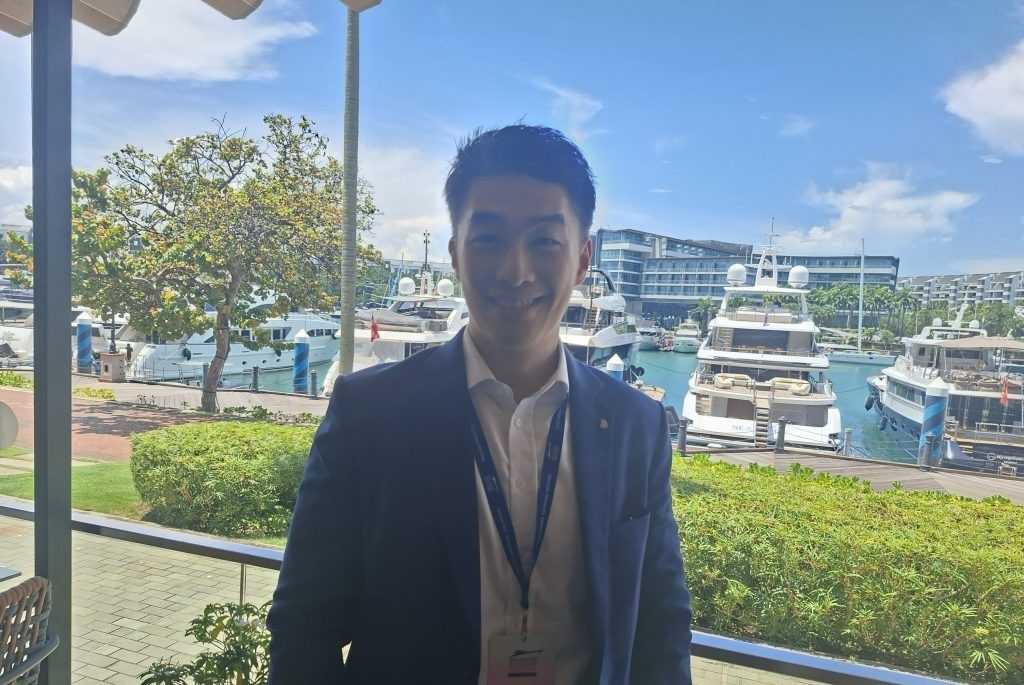
He pointed out that his company’s marina now berths yachts of up to 228 feet (about 67 meters), while superyachts can reach 400 to 500 feet, as commonly seen at yacht hubs such as Dubai and Monaco. ONE°15 Marina currently offers about 274 wet berths and 60 dry berths.
Mr Sit also pointed to the wider economic contributions of yachting, including jobs for captains, engineers, and crew, as well as demand for maintenance services, tourism, hospitality, and related supply chains. In his view, yachting extends far beyond luxury consumption and makes meaningful contributions to the broader economy.
“Yacht owners often stay at our hotel when they visit, creating additional business for us. From our perspective, these vessels generate significant economic gains. There’s a common misconception that the industry only serves the wealthy, but in reality, it creates substantial trickle-down effects.”
He also observed a clear flip in consumer behavior among young affluent individuals, who now prioritize experiences over material possessions, favoring experiential luxury over traditional status symbols like branded bags or cars.
This trend is transforming the industry, driven in large part by growing demand for yacht charters and shorter, experience-led trips. More clients are requesting itineraries such as “three days, two nights,” reflecting a resort-style preference, as well as quick regional getaways to places like Malaysia and Indonesia over long weekends. At the same time, the buyer profile is evolving, with many individuals in their 40s now scooping up 80- to 100-foot yachts, signaling a younger demographic entering the high-end ownership market.
“The rise in ticket sales for this year’s festival suggests that our programming is resonating well,” Mr Sit said, adding that exhibitors have given positive feedback on the event’s strategy in attracting new, high-quality clients.
The four-day festival, which began on Thursday and concludes tomorrow, continues to record a steady yacht participation year-on-year at around 70 vessels. However, its emphasis has shifted to enhance visitor experiences, expanding exhibition offerings, and broadening engagement beyond buyers.
“In the past, boat shows were seen as just trade shows… if I’m not here to buy a boat, there’s nothing for me to do here,” Mr Sit explained. “Now this has turned into a common consumer event,” where non-buyers are also encouraged to come and explore.
He added that lifestyle elements are central to this makeover, including marina tours and on-water experiences designed to introduce newcomers to boating. Some first-time visitors, who previously had no interest in yacht ownership, have reportedly developed an aspiration to own one after attending.
“Even if you’re not buying a boat now, I want you to know what it feels like to own one,” he said. He shared an anecdote about some visitors saying they now hope to be able to afford a yacht within five years. He described the festival as “building a pipeline of buyers.”
“The event is also intentionally planned to be inclusive, with activities tailored for different groups, including families, ensuring there is something for everyone—husbands, wives, and children alike.”
Mr Sit also discussed the growing feasibility of long-distance yachting, with end points as far as away as Japan, Korea, Australia, and Europe, noting that vessels have even arrived from Florida. However, he said the more practical model is expected to be a “fly-in, cruise locally, fly-out” approach, rather than long-duration sailing voyages.
He explained that owners are more likely to have their yachts relocated by captains to regional destinations such as Phuket, where they then fly in to use them locally for leisure.
Overall, he projected steady, experience-driven growth for Singapore’s yachting sector rather than rapid expansion in vessel numbers. In his view, Singapore is positioning itself as a regional lifestyle and charter hub.
ONE°15 Marina itself is developing a region-wide network of superyacht destinations surrounding Singapore, with its flagship base at Sentosa Cove serving as the operational hub for short-distance routes extending to nearby Southeast Asian countries.
In Malaysia, ONE°15 Marina Puteri Harbour targets Singapore-based boaters seeking weekend getaways, while in Indonesia, developments such as ONE°15 Marina Nirup Island offer resort-style island escapes with customs-enabled yacht access. Alongside emerging operations in Thailand, these initiatives collectively form a “Singapore-centric yachting loop” that supports regional cruising, charter tourism, and an integrated superyacht ecosystem.
Mr Sit also mentioned Marina Keppel Bay, affirming that ONE°15 had entered a “protocol option agreement to buy this existing marina asset” as part of its expansion strategy, citing the difficulty of building brand new marinas in Singapore.
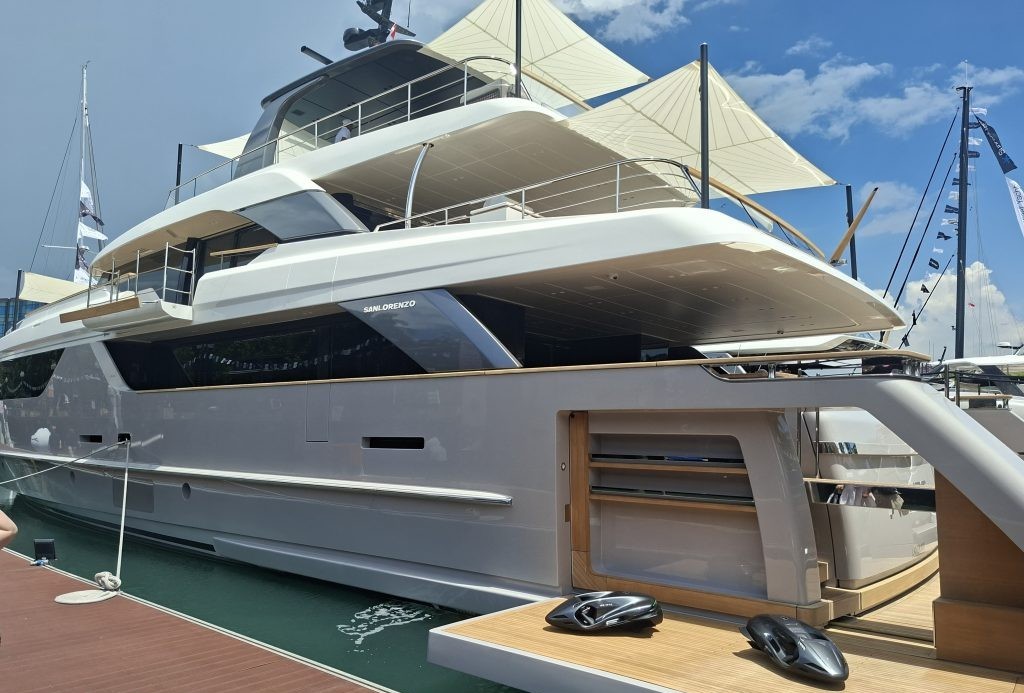
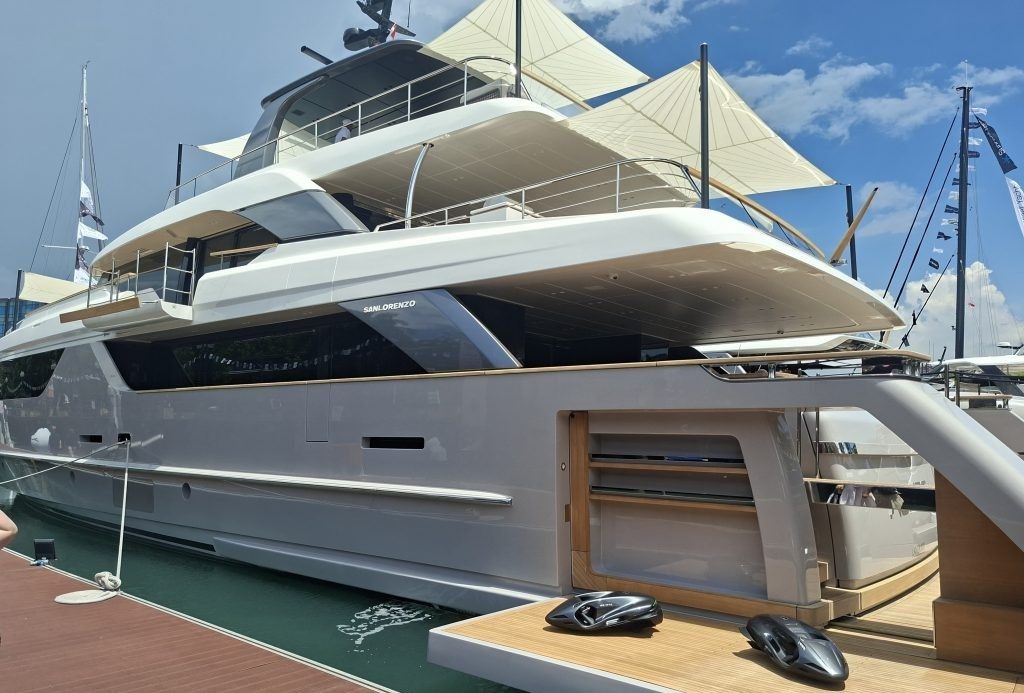
This year’s festival also showcases two new yacht models —the Finnish-built Saxdor 340 GTWA, which is making its Asia debut, and the Italian Sanlorenzo SX100 superyacht, making its Asia premiere.
The Singapore Yachting Festival 2026 is expected to attract more than 13,000 visitors, about 1,000 more than the previous year.