
























(Singapore, 30.04.2026)Global oil prices surged to their highest levels in years after reports that Donald Trump is considering new military options against Iran, heightening fears of a renewed escalation in the Middle East and a prolonged energy crisis.
Benchmark Brent crude jumped more than 7% to briefly exceed $126 a barrel, marking its highest intraday level in about four years. West Texas Intermediate climbed above $110, extending a powerful rally that has already seen oil prices more than double this year.
The surge came after reports that Trump is set to receive a military briefing outlining new strike options on Iran, signaling that a return to active combat operations is under serious consideration. The development has shaken market confidence, which had been cautiously optimistic that tensions might ease following a fragile ceasefire in early April.
However, diplomatic efforts have stalled. Attempts to bring both sides back to negotiations have failed, and neither Washington nor Tehran appears willing to make concessions. Analysts say the market is now confronting a harsher reality, that the conflict could drag on far longer than previously expected.
Supply Shock and Escalating Tensions
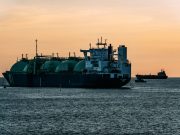
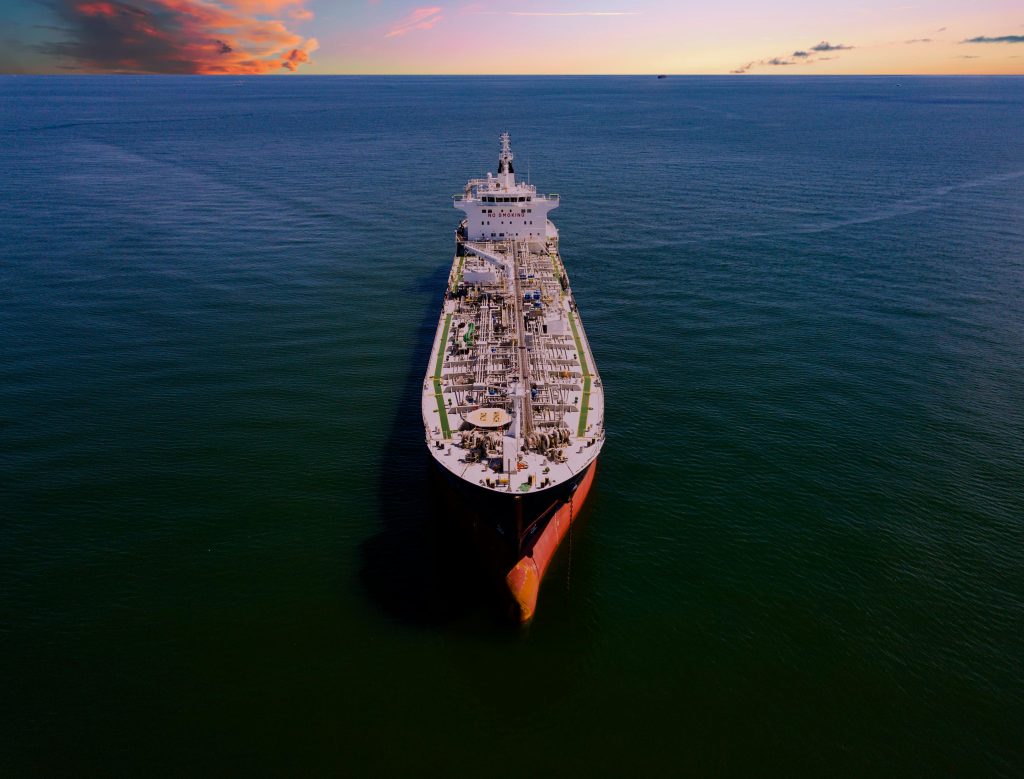
At the heart of the crisis is the Strait of Hormuz, one of the world’s most important energy chokepoints. A significant portion of global oil and gas normally flows through this narrow waterway connecting the Persian Gulf to international markets.
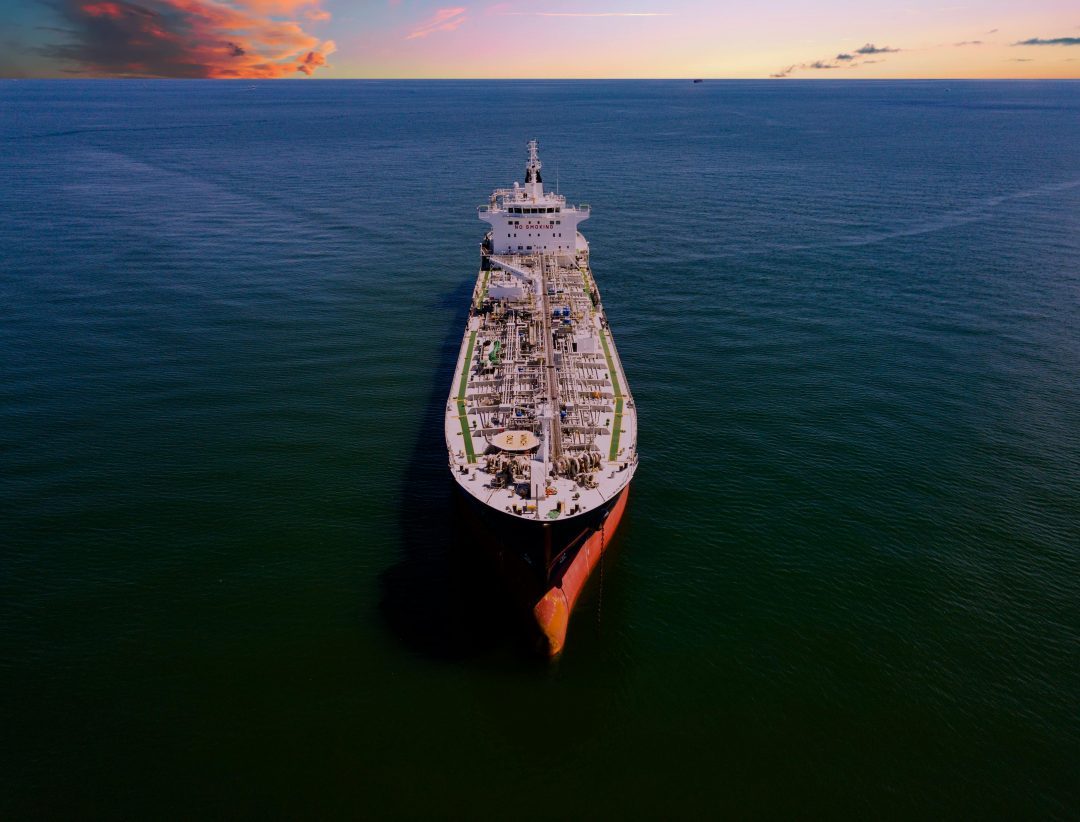
Since the conflict began in late February, traffic through the strait has dropped to near zero as both the US and Iran enforce blockades. The disruption has effectively cut off a major share of global energy supply, triggering what industry observers describe as one of the largest supply shocks in modern history.
Estimates suggest that up to 1 billion barrels of oil could be removed from the market if the situation persists. The International Energy Agency has warned that the scale of the disruption is unprecedented, while major trading houses say supply losses are tightening markets at a rapid pace.
Trump has made clear he will not lift the naval blockade on Iranian ports unless Tehran agrees to a nuclear deal, rejecting proposals that would reopen the strait without broader concessions. At the same time, US forces are reportedly preparing contingency plans for a short and powerful wave of strikes targeting Iranian infrastructure.
Adding to the escalation, US Central Command has requested the deployment of hypersonic missiles to the region. If approved, it would mark the first time such advanced weapons are used in this conflict. Washington is also pursuing legal action to seize Iran linked oil shipments, expanding its economic pressure campaign.
Efforts are underway to build an international coalition to safeguard shipping routes, but support from allies remains uncertain. Many countries have been reluctant to become directly involved in the conflict even as the economic fallout intensifies.
Markets Jolt as Energy Crisis Deepens
The spike in oil prices is reverberating across global financial markets, injecting fresh volatility into an already uncertain economic environment. Equities, which initially rose on strong earnings from major technology firms, reversed course and fell as geopolitical concerns took center stage.
Rising energy prices are fueling fears of renewed inflation, complicating the outlook for central banks. The US Federal Reserve has signaled a more cautious stance, keeping interest rates unchanged while acknowledging growing uncertainty. Bond markets have weakened, with yields climbing as investors scale back expectations for rate cuts.
Currency markets have also reacted, with the US dollar strengthening as investors seek safer assets. Commodities have shown mixed movements, with gold easing slightly while cryptocurrencies traded lower amid broader market unease.
At the same time, the disruption in Middle Eastern supply has led to a surge in US crude exports, which recently climbed to record levels exceeding 6 million barrels per day. Global buyers are increasingly turning to American producers to replace lost supply, although analysts warn that this may not fully offset the shortfall.
The impact of the crisis is expected to be particularly severe in Asia, which relies heavily on energy imports from the Middle East. More than 80% of the oil and gas passing through the Strait of Hormuz typically heads to Asian markets, making the region especially vulnerable to supply disruptions.
Rising fuel costs are already feeding into higher prices for food, transportation, and everyday goods. Airlines across Southeast Asia have begun cutting flight schedules as jet fuel prices increase, while some governments are introducing emergency measures to conserve energy, including shorter work weeks and power rationing.
In countries such as Pakistan and the Philippines, public transport operators are facing mounting pressure as fuel costs erode incomes, triggering protests and calls for government intervention. Elsewhere, households are feeling the strain through higher electricity bills and rising living expenses.
The crisis is also accelerating a broader shift in energy consumption. Demand for alternatives such as electric vehicles, solar power, and battery storage is increasing as governments and consumers look to reduce reliance on volatile fossil fuel markets. In several Asian economies, adoption of clean energy technologies is already gaining momentum, and the current shock may further speed up that transition.
Analysts say the longer the conflict continues, the more lasting its impact could be not only on prices but also on the global energy system.
With no clear resolution in sight and tensions continuing to escalate, oil markets are expected to stay tight and highly sensitive to geopolitical developments. Prices are likely to remain elevated until there is a credible path toward reopening the Strait of Hormuz, a prospect that remains unclear.