

























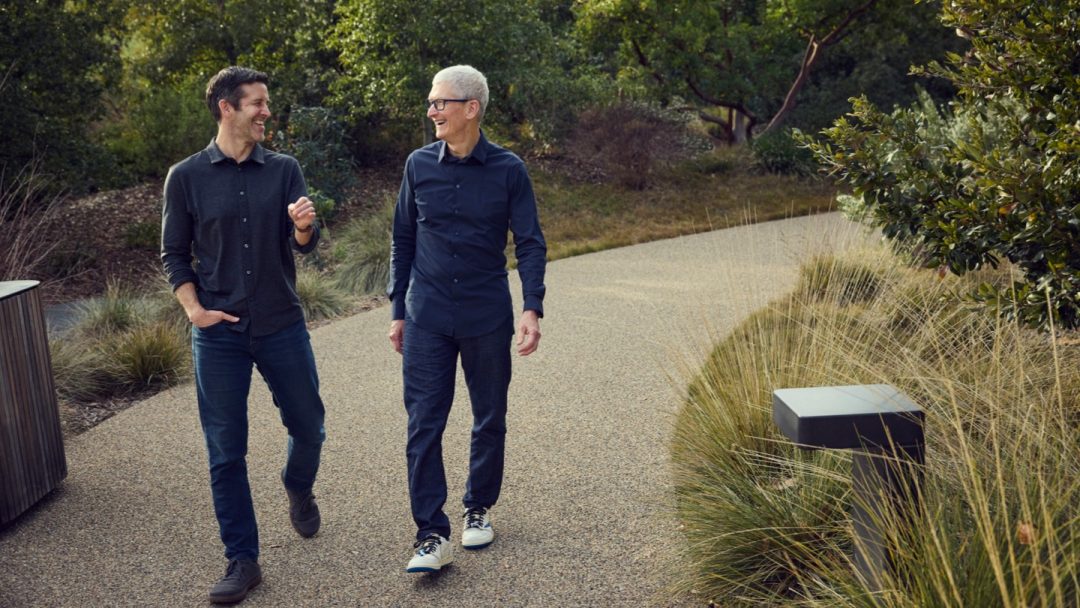
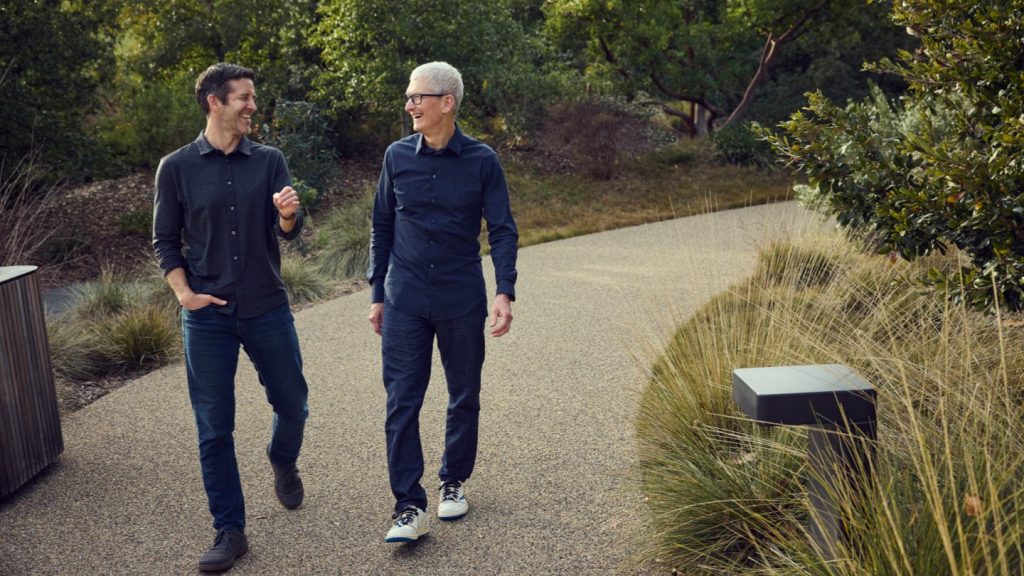
(Singapore, 21.04.2026)Apple will undergo a major leadership transition later this year, as long-serving chief executive Tim Cook prepares to step down and pass the role to veteran executive John Ternus.
The company announced that Cook, 65, will leave his position as CEO in September after 15 years at the helm. He will remain closely involved with the company as executive chairman of the board, focusing on strategy, geopolitics and relationships with policymakers worldwide.
In a statement, Cook described leading Apple as “the greatest privilege” of his life, adding that he believes the company’s future remains strong. The move, long anticipated by industry watchers, formally sets in motion one of the most significant leadership changes in Silicon Valley in recent years.
A legacy that transformed Apple
Cook joined Apple in 1998 and quickly became a key figure behind the scenes, managing the company’s global supply chain during a critical turnaround period. He later succeeded co-founder Steve Jobs as CEO in 2011, following Jobs’ departure due to health reasons.
At the time, Apple was already a major force in consumer technology. Under Cook’s leadership, however, it expanded into a business of unprecedented scale. The company’s market value climbed to around US$4 trillion (S$5.08 trillion), while annual revenue and profits surged alongside the growth of its ecosystem.
Apple now boasts more than 2.5 billion active devices globally, supported by a tightly integrated network of hardware, software and services. During Cook’s tenure, the company introduced new product categories such as the Apple Watch and AirPods, while steadily expanding its services segment, including digital content and financial offerings.
He also strengthened Apple’s global footprint. The company added hundreds of retail stores, significantly expanded its presence in China and reinforced its supply chain capabilities, even amid disruptions such as the COVID-19 pandemic and geopolitical tensions.
Cook’s leadership extended beyond operations. He became one of the most visible CEOs globally, advocating for privacy, environmental responsibility and workplace diversity. He also played a key diplomatic role, maintaining ties with governments and leaders, including Donald Trump, particularly on issues such as trade and manufacturing.
Despite the successes, Cook’s era was not without setbacks. High-profile projects like the Vision Pro headset saw limited commercial success, while a long-running effort to develop an autonomous car was ultimately scrapped after billions in investment. Apple was also seen as slow to react to the rapid rise of artificial intelligence compared with competitors.
John Ternus steps in with big expectations
Taking over from Cook will be John Ternus, a 50-year-old Apple veteran who has spent roughly 25 years at the company. Currently serving as head of hardware engineering, Ternus has been deeply involved in shaping Apple’s core products, from iPhones and iPads to Macs and wearables.
His appointment signals continuity, but also a renewed emphasis on product innovation. Known for his engineering background and execution skills, Ternus has helped Apple consistently deliver annual updates to its devices, improving performance, durability and design.
He has also shown a willingness to challenge convention. Internally, Ternus supported the development of more affordable products, such as a lower-cost MacBook aimed at younger users, a move that marks a departure from Apple’s traditional premium positioning.
Colleagues describe him as more decisive than Cook, with a leadership style that leans toward making clear, timely calls rather than building broad consensus. Some analysts see this as a potential shift back toward a more product-driven culture reminiscent of the Jobs era.
“I am profoundly grateful for this opportunity,” Ternus said, noting that he had the chance to work closely with both Steve Jobs and Tim Cook. “I look forward to carrying Apple’s mission forward.”
His promotion also comes with internal changes. Apple has begun reorganizing its hardware teams, with senior executives taking on expanded roles to support a more integrated approach to product development, particularly as AI becomes central to future devices.
The AI challenge and Apple’s next chapter
Despite its strong financial foundation, Apple faces mounting pressure to prove it can lead in artificial intelligence. Rivals such as Google, Microsoft and OpenAI have made rapid advances, reshaping how users interact with technology.
For Apple, the challenge is not just about software, but about how to integrate AI seamlessly into its hardware ecosystem, an area where Ternus has deep expertise.
The company is already exploring several new product categories. These include AI-powered smart home devices such as intelligent displays, security systems and even robotic assistants, as well as wearable technologies like smart glasses and next-generation AirPods equipped with advanced sensors and computer vision capabilities.
At the same time, Apple is preparing updates to its existing lineup. A foldable iPhone is expected to mark one of the biggest design changes in years, while improvements to its voice assistant and AI platform are seen as critical to staying competitive.
However, progress has been uneven. Delays in developing next-generation AI systems have pushed back product timelines, raising concerns that Apple could miss key market opportunities. Analysts say fixing execution in AI will be one of Ternus’ most urgent priorities.
Beyond innovation, Ternus will also need to balance Apple’s global business interests. The company continues to navigate complex supply chains, regulatory scrutiny and competition from rivals such as Nvidia and Meta, which are expanding into areas like chips and augmented reality.
Cook, in his new role as executive chairman, is expected to remain a key figure in handling these external challenges, particularly in managing relationships with governments and major markets.
The transition comes as Apple celebrates its 50th anniversary, a milestone that highlights its journey from a startup in a California garage to a global technology leader. As the company enters this new chapter, expectations are high so that it can once again redefine the future of consumer technology.
For Ternus, the task ahead is clear but demanding to preserve what works, move faster where needed, and take bold steps into new frontiers. In an era increasingly defined by artificial intelligence, Apple’s next leader will be judged not only on his ability to maintain stability, but also on how effectively he can shape what comes next.