

















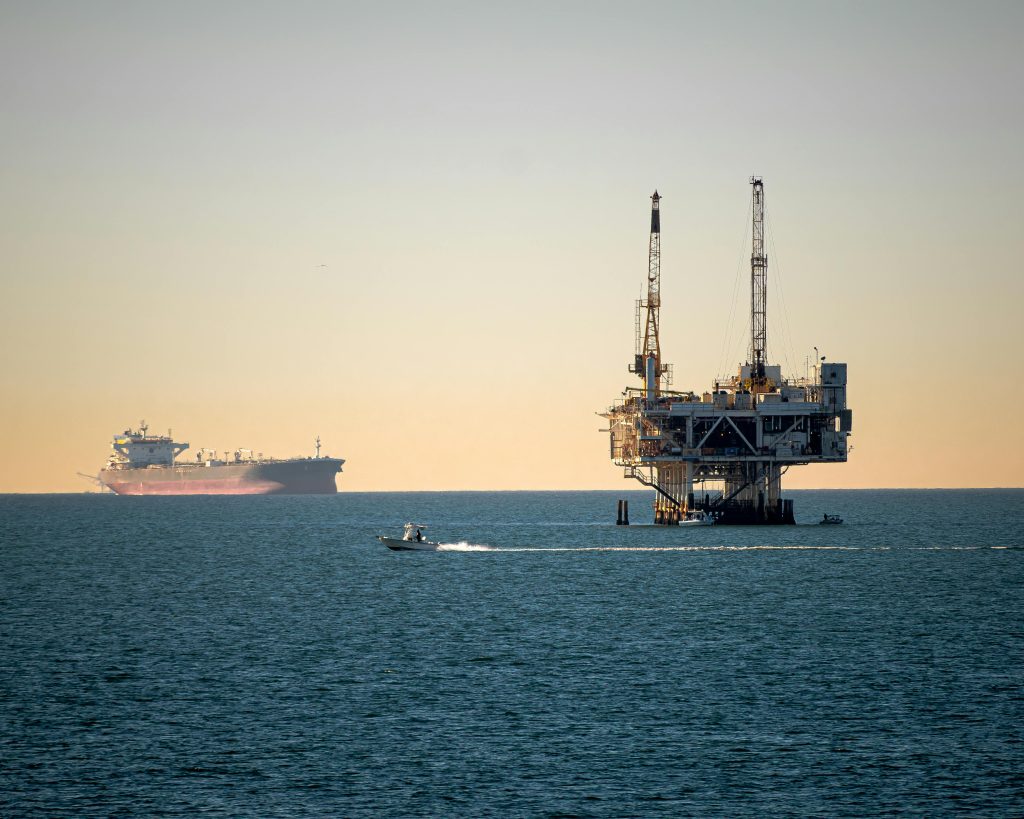
(Singapore, 09.03.2026)The Middle East conflict has entered a new and volatile phase after Iran appointed Mojtaba Khamenei, the son of the late Ayatollah Ali Khamenei, as the country’s new supreme leader. The leadership change comes as the war involving Iran, the United States and Israel intensify, sending global oil prices above US$100 per barrel and triggering sharp swings across financial markets.
Now entering its second week, the conflict shows little sign of easing. Both sides have escalated military actions while global investors brace for deeper economic consequences. With the Strait of Hormuz effectively shut and several major oil producers reducing output, the crisis has rapidly transformed from a regional security confrontation into a global economic concern.
New Supreme Leader Emerges Amid War
Iran’s Assembly of Experts voted to appoint Mojtaba Khamenei, 56, as the country’s new supreme leader following the death of his father during the opening phase of US-Israeli airstrikes on Iran. The Islamic Revolutionary Guard Corps (IRGC), one of the most powerful institutions in the country, quickly pledged full allegiance to the new leader, reinforcing expectations that Iran’s political and military strategy will remain firmly hardline.
The appointment signals continuity rather than compromise at a time when Iran faces its most severe geopolitical crisis in decades. Analysts say the decision reflects a deliberate choice by Iran’s leadership to maintain resistance against pressure from Washington and its allies rather than pursue de-escalation.
Mojtaba Khamenei has spent most of his life operating behind the scenes within Iran’s power structure. Over the years he built extensive networks within the country’s security apparatus, the clerical establishment and segments of Iran’s business elite. His rise to the highest authority in the Islamic Republic now places him at the center of a conflict that threatens not only the region’s stability but also the country’s political system.
The new leader inherits a deeply divided domestic landscape. Iran has faced waves of protests in recent years, fueled largely by rising living costs, economic hardship and anger over corruption. Critics have long associated Mojtaba Khamenei with the political elite accused of benefiting from the country’s economic structure while ordinary citizens struggle under sanctions and inflation.
Investigations have linked him to a large international property portfolio that includes luxury homes and hotel investments in Europe. These assets were reportedly accumulated through complex financial networks connected to Iranian oil revenues routed through offshore companies. While Iranian officials have not publicly addressed the allegations, the revelations have reinforced public perceptions of inequality within the country’s ruling circles.
The appointment also breaks a longstanding tradition within Iran’s clerical system that the Islamic Republic should avoid dynastic leadership. Selecting the son of the previous supreme leader has therefore sparked debate among religious scholars and political observers about the future direction of the country’s governance.
For the moment, however, the priority for Iran’s leadership appears to be survival during wartime. Tehran has indicated that its armed forces can sustain months of high-intensity conflict, and the new supreme leader is widely expected to continue the confrontational policies that defined his father’s rule.
Oil Shock Ripples Through Global Economy
While the political implications of Iran’s leadership change are still unfolding, the economic impact of the conflict has already been dramatic. Energy markets reacted immediately as fears of supply disruptions intensified across the Middle East.
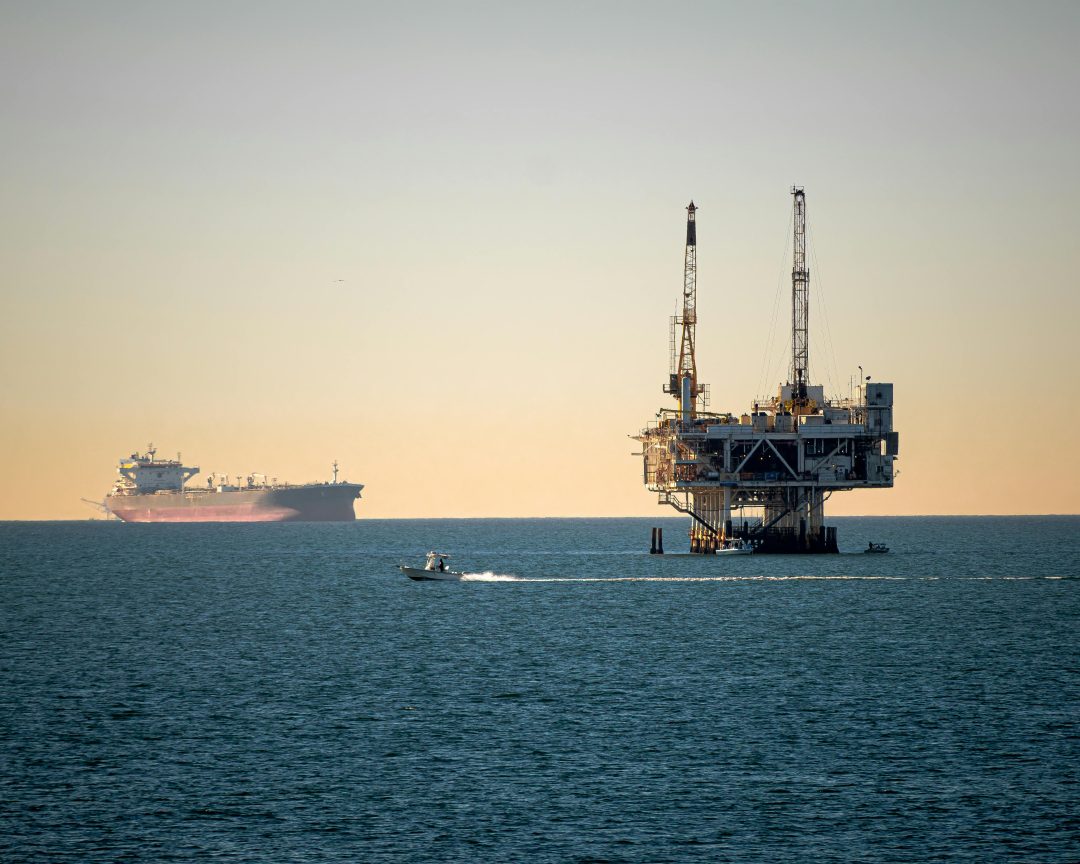
Brent crude oil surged as much as 20 percent to above US$110 per barrel, the highest level since 2022, while US benchmark West Texas Intermediate jumped more than 22 percent. The surge was driven largely by disruptions around the Strait of Hormuz, the narrow waterway that normally carries roughly one fifth of the world’s oil supply.
Shipping traffic through the strait has slowed dramatically as tankers avoid the region amid growing security risks. As a result, several oil-producing countries have begun cutting output because storage facilities are filling up while exports remain blocked.
The United Arab Emirates has reduced production at offshore oil fields, while Kuwait has cut both crude output and refinery activity. Iraq has already begun shutting down part of its production. Analysts estimate that Middle Eastern supply disruptions could eventually exceed four million barrels per day if the conflict continues.
The tightening supply has pushed oil toward the psychologically important US$120 per barrel level, raising fears that energy costs could once again drive global inflation higher. Rising fuel prices are already spreading through the broader economy as transportation and shipping costs increase.
Some governments have started taking precautionary measures. China has instructed major refiners to suspend exports of diesel and gasoline, while South Korea is considering imposing fuel price controls for the first time in decades.
The energy shock is particularly concerning because the global economy was only beginning to stabilize after several years of inflation pressures and aggressive interest rate hikes by central banks.
Financial Markets Turn Defensive
The geopolitical escalation has also triggered turbulence across global financial markets. Investors quickly shifted toward defensive assets as uncertainty about the conflict’s duration and potential economic consequences grew.
Equity markets across Asia recorded steep declines as the news of surging oil prices and continued military strikes rattled investor sentiment. Regional benchmark indices dropped more than five percent, with South Korean stocks plunging over eight percent and Japanese shares sliding about seven percent. Futures markets suggest similar pressure could spread to the United States and Europe.
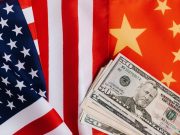
At the same time, the US dollar strengthened as investors sought safe-haven assets. The currency has benefited from its traditional role as a refuge during geopolitical crises as well as the United States’ status as a major energy exporter.
Government bond markets, however, responded in an unusual way. Instead of rallying, US Treasury yields rose as investors focused on the inflationary impact of higher energy prices. The surge in oil prices has revived concerns about stagflation, a scenario in which economic growth slows while inflation accelerates.
Portfolio managers say the uncertainty surrounding the conflict is forcing investors to reassess risk across multiple asset classes. With oil prices rising rapidly and supply chains facing potential disruptions, many funds are reducing exposure to equities and emerging markets while increasing cash and defensive positions.
Despite the financial market volatility, US President Donald Trump has dismissed concerns about the oil price spike. In a social media post, Trump said oil above US$100 per barrel was a “small price to pay” for eliminating Iran’s nuclear threat. He argued that energy prices would fall quickly once the conflict ends.
However, the immediate economic impact is already being felt. US gasoline prices have climbed to their highest level since 2024, increasing pressure on households and businesses. The surge in fuel costs could also become a political challenge for the administration as the country approaches midterm elections later this year.
Beyond domestic politics, the broader risk is that prolonged disruptions to Middle Eastern energy supplies could destabilize the global economy. Analysts warn that the combination of rising energy costs, volatile financial markets and geopolitical uncertainty could significantly weaken investor confidence in the months ahead.