

























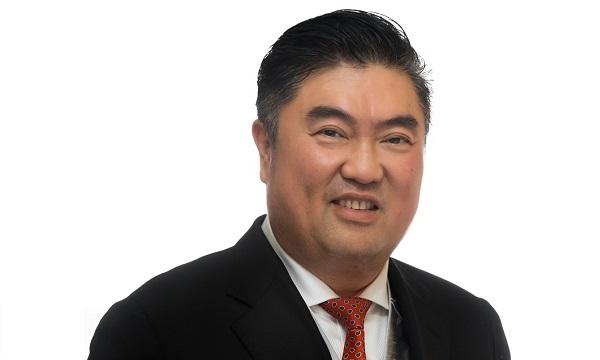
(Singapore, 20.04.2026)A high-stakes legal battle has begun in Australia, as Singapore property tycoon Ching Chiat Kwong seeks up to $1 billion (S$1.27 billion) in damages linked to the collapse of NewSat Ltd. more than a decade ago.
The case, now being heard at the Supreme Court of Victoria, centers on claims that a group of major banks and financial institutions failed to honor funding commitments. The lawsuit has been brought by the liquidators of NewSat against lenders including Société Générale, Credit Suisse (now owned by UBS Group AG), and Standard Chartered Plc. Credit insurers such as the Export-Import Bank of the United States and Coface are also named in the proceedings.
The Collapse and Dispute
NewSat once aimed to achieve a major milestone by launching Australia’s first independently owned satellite. In the early 2010s, the company set out to build a fleet of satellites, a highly ambitious project that depended on substantial financing from global lenders.
However, the effort unraveled in 2014 when banks withdrew funding, citing concerns over management and project risks. Without the necessary capital, NewSat was unable to pay contractors responsible for building and launching its satellite, and the company ultimately collapsed in 2015.
Ching, who invested about $100 million of his own money into the venture, argues that the withdrawal of funding directly led to the company’s downfall and the loss of substantial future earnings.
The amount of damage at stake remains a key point of disagreement. Ching has estimated losses at around $1 billion, based on an expert report that includes not only the failed satellite launch but also future expansion plans that never materialized.
However, filings referenced by Standard Chartered suggest the total losses claimed could be as high as $4.81 billion. The bank has dismissed these figures as baseless and says it will strongly contest the claims.
Lawyers representing the plaintiff argue that the lenders had initially accepted known risks, including scheduling conflicts caused by regulatory delays. According to the plaintiff’s legal team, those same risks were later used as justification to halt funding in December 2014.
“There was always a scheduling conflict,” said Philip Crutchfield, a lawyer for the plaintiffs, in his opening remarks. “It never worked.”
The banks and insurers involved have denied any wrongdoing. In their defense filings, they argue that their decision to withdraw financing was justified given concerns about the company’s governance and leadership.
Central to their argument are allegations about the conduct of NewSat’s founder and chief executive, Adrian Ballintine. According to documents submitted by the defense, a consultant once described the company’s corporate behavior as “appalling” and questioned whether it could survive under his leadership.
The same documents also allege that the company’s resources were used to support the executive’s lifestyle, claims that Ballintine has firmly denied.
“I totally reject those comments,” Ballintine said, disputing accusations about misuse of company funds.
Ching has also pushed back against such criticisms, arguing that spending on travel and client engagement is a normal part of doing business at a global level.
“When you are selling services, you need to invest in relationships,” he said. “The returns can be hundreds of millions.”
Background and What’s Next
One unusual aspect of the case involves a document linked to Emmanuel Macron, who at the time held a role overseeing Coface. Ching claims that Macron was involved in approving a decision that ultimately halted part of the financing package.
While the claim adds a political dimension to the case, representatives for Macron have not responded to requests for comment, and Coface has declined to address the matter publicly.
Ching’s involvement in the case reflects both his financial stake and his broader investment approach. After completing national service, he began his career as a police officer in Singapore before moving into construction and property development.
He later founded Oxley Holdings Ltd., which he listed in 2010. Although the company’s share price has declined from its peak, Ching still holds a stake worth more than $100 million.
His success was built on a strategy targeting Singapore’s growing middle class, particularly through compact and affordable apartments ranging from 30 to 45 square meters.
Over the years, he has expanded his investments internationally, including vineyards in Italy’s Tuscany region and ownership of the historic Palazzo Papadopoli in Venice.
For Ching, the legal battle is not just about financial recovery but also about revisiting what he sees as a missed opportunity. More than ten years after NewSat’s collapse, the case marks a significant attempt to assign responsibility for one of Australia’s most ambitious yet unsuccessful space ventures.
As reported by Bloomberg, the trial is expected to take months, with both sides set to present detailed arguments over financing agreements, corporate governance, and the true scale of losses. The outcome could ultimately bring clarity to a dispute that has lingered for more than a decade, one that began with a bold vision of reaching space but never truly got off the ground.