


























(Singapore, 31.03.2026)Malaysia has raised its economic growth outlook for 2026, signaling confidence that strong domestic demand, steady investment flows and a resilient export base will help cushion the impact of rising geopolitical tensions, particularly the ongoing conflict in the Middle East.
According to Bank Negara Malaysia (BNM), the economy is now projected to expand between 4% and 5% this year, an improvement from the government’s earlier forecast of 4% to 4.5%. The revised outlook underscores Malaysia’s position as one of the more resilient economies in the region, even as external uncertainties intensify.
BNM Governor Abdul Rasheed Ghaffour said the country’s diversified economic structure and strong domestic fundamentals provide a buffer against global headwinds.
“Malaysia’s domestic resilience and diversified export structure provide us with a solid foundation to navigate current external headwinds,” he said in the central bank’s annual report.
Malaysia’s growth momentum builds on a strong 2025 performance, where gross domestic product expanded by 5.2%, exceeding expectations amid global trade tensions and tariff challenges. The economy was supported by record-high investments and continued demand for key exports, particularly in the technology sector.
Looking ahead, BNM expects domestic demand to remain the primary driver of growth. Improvements in employment, wage growth and supportive government policies are likely to sustain household spending. Malaysia’s position as a net energy exporter also provides an added advantage, helping to offset external shocks through stronger commodity-related export earnings.
As reported by Bernama, the central bank said Malaysia remains “in a position of strength”, supported by a robust financial system, moderate inflation and a resilient external position.
External risks remain key watchpoint
Despite the improved outlook, risks remain as geopolitical tensions escalate. The ongoing conflict involving the United States, Israel and Iran has raised concerns over global energy supply disruptions and financial market volatility.
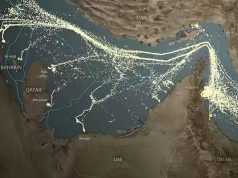
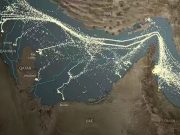
BNM noted that the impact on Malaysia will largely depend on the duration of the conflict and the extent to which it disrupts oil production and global trade flows. Disruptions in key shipping routes such as the Strait of Hormuz, which handles nearly 20% of global oil supply, could push up energy prices and raise logistics costs, in turn affecting inflation, business activity and consumer spending.
“If hostilities remain contained, the impact may be temporary,” BNM said. However, a prolonged conflict could lead to sustained high energy prices, weaker global demand and increased pressure on domestic inflation.
For now, inflation is expected to remain manageable, with BNM projecting consumer prices to rise between 1.5% and 2.5% in 2026. This is slightly higher than the government’s earlier estimate but still within a moderate range. Malaysia recorded an average inflation rate of 1.4% in 2025, the lowest in five years.
Government measures continue to cushion the impact of rising costs. While global oil prices have increased, the retail price of RON95 petrol has been maintained at RM1.99 per liter, supported by targeted subsidies, although the monthly subsidized quota has been reduced.
Malaysia’s financial markets have also shown resilience despite volatility. The ringgit has been among Asia’s better-performing currencies over the past year, even though it has softened slightly since the conflict began in late February. BNM said it will continue to ensure orderly market conditions and manage excessive volatility if needed.
Earlier policy measures, including a rate cut in July and a reduction in the statutory reserve requirement, are expected to continue supporting economic activity into 2026. The central bank stressed that it remains vigilant and ready to respond to evolving risks to growth and inflation.
Beyond the broader economy, the financial sector is also navigating new challenges. According to The Edge Malaysia, BNM warned that insurers and takaful operators may face pressure on underwriting performance due to higher claims costs amid global uncertainties and rising climate risks.
Nevertheless, the sector remains well capitalized, with strong liquidity buffers and a capital adequacy ratio well above regulatory requirements, indicating continued resilience.
Overall, Malaysia’s economic outlook for 2026 remains cautiously optimistic. While domestic demand, investment and exports continue to provide strong support, external uncertainties, particularly geopolitical tensions and energy price volatility, remain key factors to watch. BNM maintains that Malaysia is well positioned to navigate these challenges, backed by sound policies, diversified economic drivers and a stable financial system.
“We expect the global environment to remain uncertain,” said Abdul Rasheed. “Despite this, Malaysia’s economy is projected to remain on a firm footing.”