






















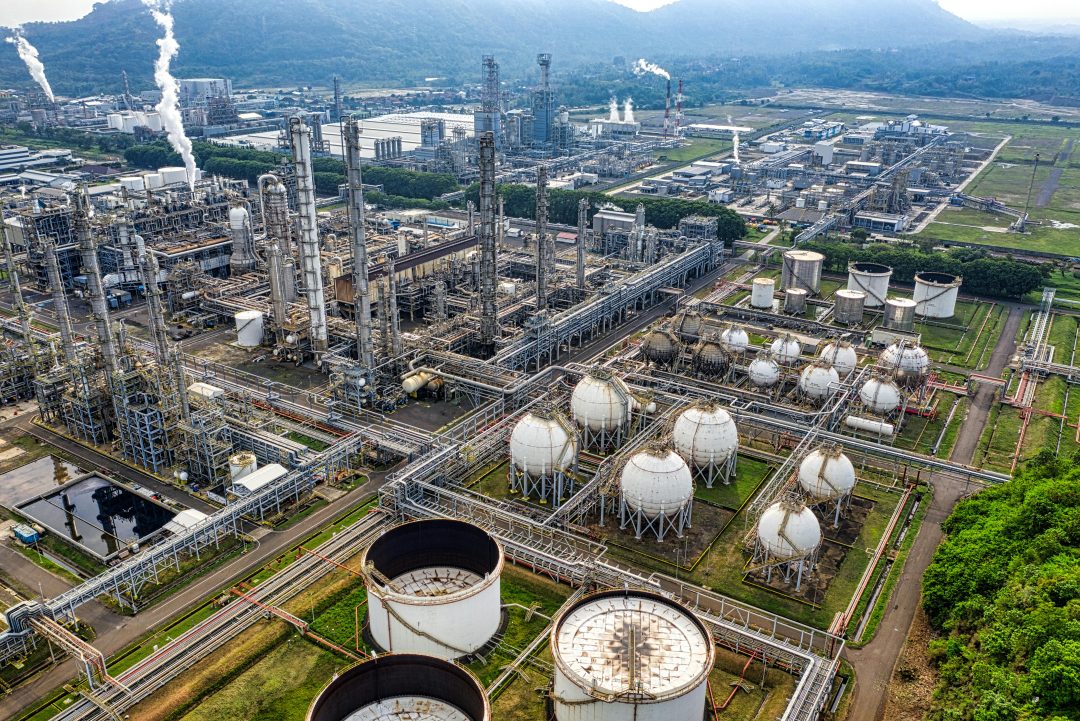
(Singapore, 12.05.2026)Indonesia has proposed hosting a regional oil storage hub for ASEAN as Southeast Asian countries step up efforts to strengthen energy security amid ongoing geopolitical tensions in the Middle East.
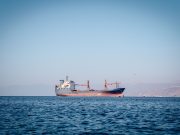
The proposal was discussed during last week’s ASEAN Summit in Cebu, the Philippines, where regional leaders explored ways to protect fuel supplies following continued instability around the Strait of Hormuz, one of the world’s most important oil shipping routes.
Indonesia’s Energy and Mineral Resources Minister Bahlil Lahadalia said the creation of a shared ASEAN oil reserve could help member states respond more effectively during supply disruptions and emergencies.
“We can build storage anywhere, but I proposed Indonesia,” Bahlil said on Monday (May 11), adding that Indonesia hopes to collaborate with Malaysia, Brunei and the Philippines on the initiative.
He said the proposed storage hub could serve as a strategic reserve capable of supplying fuel across Southeast Asia during periods of crisis, especially when global trade routes face disruptions caused by war or political conflict.
The proposal comes at a time when global oil markets remain highly sensitive to developments in the Middle East. The conflict involving Iran, the United States and Israel have now entered its 11th week, while concerns over the Strait of Hormuz continue to weigh on energy markets despite a fragile ceasefire.
The Strait of Hormuz handles about one-fifth of the world’s oil and gas supply, making any disruption a major threat to energy-importing economies across Asia.
Oil prices rose again this week after US President Donald Trump described the ceasefire involving Iran as being on “life support”, raising fears that tensions in the region could continue for an extended period.
Against this backdrop, ASEAN leaders are considering mechanisms that would allow member states to share fuel reserves during emergencies. Philippine President Ferdinand Marcos Jr., whose country chairs ASEAN in 2026, said discussions included plans for a regional fuel “reservoir” that could be accessed collectively by member states.
“The situation right now is very different for each country,” Marcos said after the summit. “Some countries have a surplus of a certain kind of fuel. Other people have a shortage, and we’re trying to balance that out.”
He added that such a system would give ASEAN nations quicker access to emergency fuel supplies if major trade routes were suddenly disrupted.
In addition to fuel stockpiles, ASEAN leaders also discussed expanding regional electricity connectivity and accelerating energy diversification efforts to reduce dependence on imported fossil fuels.
For Indonesia, the regional proposal also fits into a broader national strategy to strengthen domestic energy resilience.
Bahlil separately announced plans to develop a large oil storage facility in Sumatra under a special economic zone framework. The project is currently undergoing a feasibility study and will proceed even if Indonesia is not eventually selected as the ASEAN storage hub location.
“We plan to build this in Sumatra and establish a special economic zone specifically for it,” Bahlil told reporters.
Earlier this year, Indonesia’s energy ministry revealed that it was studying the development of a strategic oil storage facility on Nipa Island in the Riau Islands province, with construction potentially beginning this year.
According to Bahlil, President Prabowo Subianto has instructed the government to move quickly on the project.
“This is about survival,” Bahlil said in earlier remarks. “If we want energy security, we must address the core issues quickly, so we do not remain dependent.”
Indonesia currently maintains relatively limited strategic petroleum reserves compared with larger economies, making supply disruptions a long-term concern for policymakers.
At the same time, the country has been seeking to expand its role in regional energy infrastructure and logistics as Southeast Asia’s energy demand continues to grow.
Bahlil said financing for the storage expansion would come from a mix of domestic and international investors, although he noted that the funding would not involve the United States.
Analysts believe the ASEAN oil storage proposal reflects a broader regional push toward stronger crisis response coordination following years of supply shocks caused by wars, sanctions and shipping disruptions.
Although details such as the hub’s final location, storage capacity and operating structure have yet to be finalized, the proposal highlights growing concern among ASEAN economies over long-term energy security in an increasingly uncertain global environment.