
























(Singapore, 15.05.2026)The United Arab Emirates (UAE) is speeding up plans to expand a major oil pipeline project as tensions in the Middle East continue to disrupt global energy markets and threaten one of the world’s most important shipping routes — the Strait of Hormuz.
The move comes at a time when oil prices are surging, inflation fears are rising globally, and world leaders remain divided over how to end the ongoing conflict involving Iran.
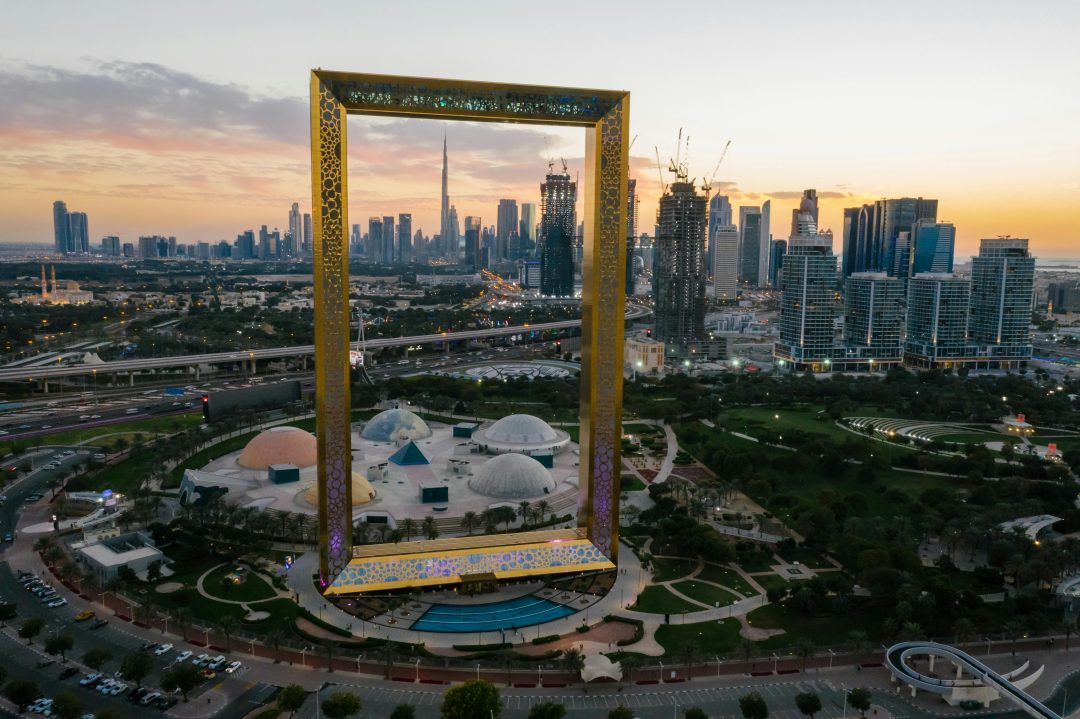
According to the Abu Dhabi Media Office, Abu Dhabi Crown Prince Sheikh Khaled bin Mohamed bin Zayed has instructed the Abu Dhabi National Oil Company (ADNOC) to fast-track construction of the new West-East Pipeline project. The pipeline is expected to begin operations by 2027 and will significantly increase the UAE’s ability to export oil through Fujairah on the Gulf of Oman, bypassing the Strait of Hormuz entirely.
The UAE already operates the Abu Dhabi Crude Oil Pipeline (ADCOP), also known as the Habshan-Fujairah pipeline, which can transport up to 1.8 million barrels of oil per day directly to Fujairah. The new expansion project is expected to double the country’s export capacity through the route.
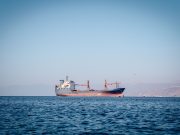
The Strait of Hormuz has become the centre of global attention since fighting between Iran, the United States and Israel escalated earlier this year. The narrow waterway, located between Iran and Oman, is one of the world’s most critical energy chokepoints. Before the conflict intensified, around 20% of global oil and liquefied natural gas (LNG) supplies passed through the strait daily.
However, shipping disruptions began after a US-Israeli military campaign against Iran on February 28 triggered retaliatory actions from Tehran. Iran subsequently tightened control over vessel movements through the strait, severely affecting global oil flows.
Several Gulf countries, including Kuwait, Iraq, Qatar and Bahrain, remain heavily dependent on the Strait of Hormuz for their oil exports. In contrast, the UAE and Saudi Arabia are among the few Gulf producers with alternative pipeline infrastructure capable of bypassing the strait.
The disruption has already sent shockwaves through global financial markets.
Brent crude oil prices climbed above US$107 per barrel this week, increasing fears that inflation could accelerate again worldwide. Investors have responded by selling government bonds aggressively, pushing borrowing costs sharply higher across major economies.
In the United States, two-year Treasury yields climbed above 4% for the first time since March 2025, while 10-year Treasury yields reached their highest level in about a year. Bond yields in Japan also surged, with the country’s 30-year yield hitting 4% for the first time since its introduction in 1999.
Analysts say rising oil prices are worsening concerns that central banks may need to keep interest rates elevated for longer periods.
Prashant Newnaha, senior Asia-Pacific rates strategist at TD Securities in Singapore, warned that persistently high energy prices could further damage global bond markets.
“The move higher in global bond yields is a little unsettling,” he said. “An extended and persistently high oil price could be the nail in the coffin for bonds.”
Inflation concerns have also been fueled by stronger-than-expected producer price data in the United States and Japan. Market traders are now increasingly betting that the US Federal Reserve could raise interest rates again later this year.
At the same time, political uncertainty in several countries is adding to investor nervousness. In the United Kingdom, bond markets weakened after signs of possible political instability raised fears of more aggressive government spending plans.
Meanwhile, the broader geopolitical situation remains unresolved.
This week’s high-profile summit between US President Donald Trump and Chinese President Xi Jinping in Beijing failed to produce any breakthrough on the Iran conflict or the Strait of Hormuz crisis.
For weeks before the summit, Washington had pressured Beijing to use its influence over Iran to help restore stability in the Gulf and reopen the strait more fully to international shipping.
Although both sides agreed that energy supplies should continue flowing through the Strait of Hormuz, their public statements revealed major differences in approach.
The White House stated that both leaders agreed Iran should never obtain nuclear weapons and said China opposed the “militarization” of the strait and any attempts to charge shipping tolls.
However, China’s official statement focused more on calls for dialogue, ceasefire negotiations and peaceful settlement efforts. Beijing avoided directly criticizing Iran over shipping restrictions or nuclear issues.
China also reiterated its support for President Xi’s four-point peace proposal, which emphasizes political negotiations, regional cooperation and economic development.
The differing statements suggest that neither Washington nor Beijing shifted significantly from their existing positions during the summit.
The conflict has now entered its 77th day, with humanitarian and economic impact continuing to grow. Iranian government figures indicate that more than 3,000 people have been killed since the conflict began.
The ongoing instability has placed enormous pressure on global supply chains, shipping networks and energy markets. Governments in several countries have already introduced fuel-saving measures and rationing policies to cope with rising energy costs.
For the UAE, accelerating the pipeline project is both an economic and strategic decision. By expanding export capacity outside the Strait of Hormuz, the country hopes to strengthen its energy security and reduce dependence on one of the world’s most vulnerable maritime routes.
The development also highlights a broader shift among Gulf nations toward building more resilient energy infrastructure amid increasing geopolitical uncertainty.
As the war continues and diplomatic efforts struggle to gain momentum, energy markets are likely to remain highly sensitive to developments in the region. Investors, governments and consumers around the world are now watching closely to see whether tensions ease or whether further disruptions could push oil prices and inflation even higher in the months ahead.