























(Singapore, 14.05.2026)Nvidia’s efforts to regain access to China’s lucrative artificial intelligence market are facing fresh uncertainty, even after Washington approved sales of its H200 AI chips to a group of major Chinese technology firms.
According to Reuters, the United States has cleared around 10 Chinese companies, including Alibaba, Tencent, ByteDance and JD.com, to purchase Nvidia’s H200 chips under export licensing arrangements. However, no shipments have been completed so far as political and regulatory concerns on both sides continue to delay the deals.
The development comes as Jensen Huang travels to Beijing alongside US President Donald Trump for talks with Chinese President Xi Jinping. Reuters reported that Huang joined the trip after receiving an invitation from Trump, fueling speculation that Nvidia is seeking a breakthrough in its China business.
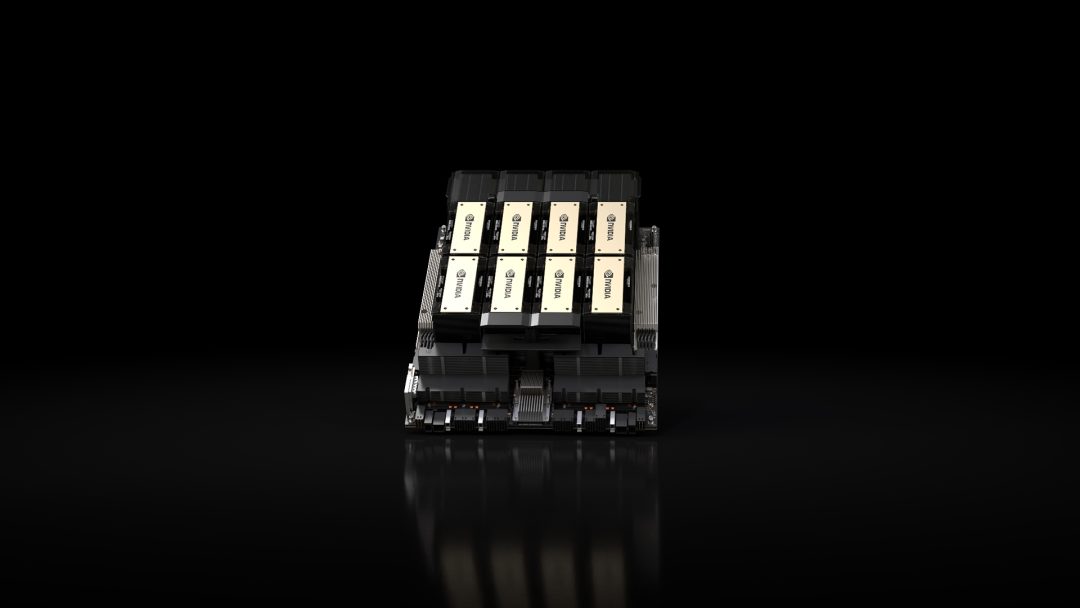
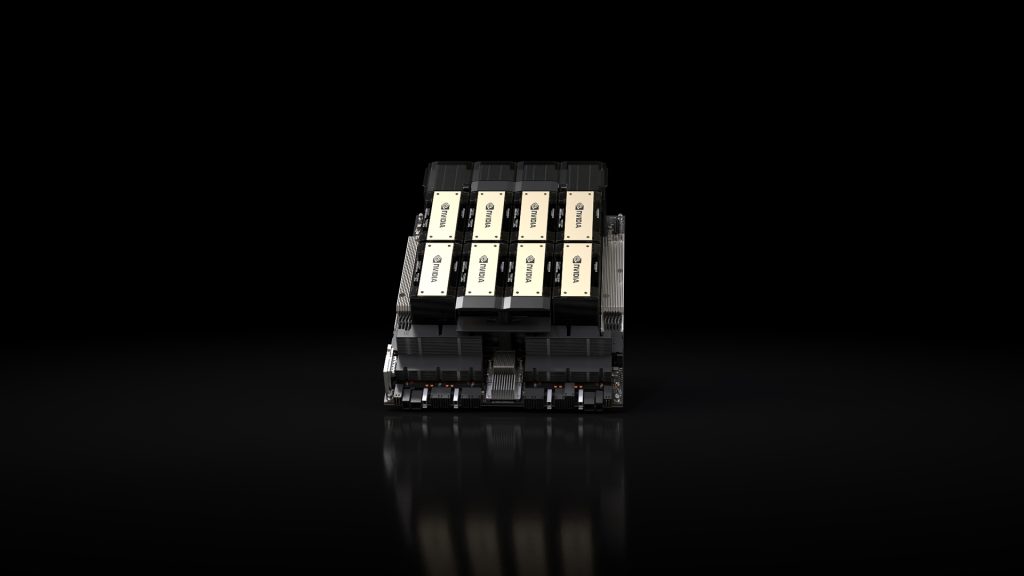
The H200 is Nvidia’s second most powerful AI chip and is widely used in advanced AI training and cloud computing infrastructure. Before tighter US export restrictions were introduced, Nvidia reportedly controlled about 95% of China’s advanced AI chip market. China also accounted for roughly 13% of Nvidia’s revenue in previous years.
Under the current licensing arrangement, each approved Chinese customer may purchase up to 75,000 H200 chips, Reuters reported, citing sources familiar with the matter. Several distributors, including Lenovo and Foxconn, were also reportedly approved to participate in the transactions.
Lenovo later confirmed to Reuters that it was among the companies authorized to sell H200 chips in China under Nvidia’s export license program.
Despite the approvals, actual sales remain frozen. Reuters reported that Chinese firms have become increasingly cautious after receiving guidance from Beijing, amid concerns that relying on imported AI chips could undermine China’s push to develop its own semiconductor industry.
China’s hesitation reflects growing national focus on building domestic alternatives to Nvidia’s technology. Companies such as Huawei and AI startup DeepSeek have been promoting locally developed AI chips as substitutes for US products.
The shift has placed Nvidia in a difficult position. Huang has previously warned that US export controls are eroding the company’s foothold in China, saying Nvidia’s market share for AI accelerators in the country has effectively dropped to zero.
The licensing framework itself also remains complicated. Reuters reported that Chinese buyers must demonstrate strict security controls and prove the chips will not be used for military purposes. Nvidia must also certify that sufficient inventory remains available within the United States.
In addition, Trump reportedly negotiated a structure in which the US government would receive 25% of the revenue from the approved chip sales. Reuters said the arrangement requires the chips to pass through US territory before being exported to China, due to legal limitations on direct export fees.
The structure has reportedly raised concerns in Beijing over potential security vulnerabilities or hidden risks within the supply chain, even though sources described the arrangement largely as a legal workaround.
China has also stepped-up scrutiny of foreign technology dependencies following the introduction of new supply chain security regulations by the State Council, Reuters reported.
Meanwhile, some US policymakers remain strongly opposed to allowing Nvidia back into China’s market. Chris McGuire, senior fellow for China and emerging technologies at the Council on Foreign Relations, argued that selling more Nvidia chips to China could narrow America’s AI advantage.
“Any deal that allows Nvidia to sell more chips to China means fewer Nvidia chips for US firms, and a smaller US lead in AI over China,” McGuire told Reuters.
The uncertainty surrounding Nvidia’s China business comes as demand for AI infrastructure continues to surge globally.
Separately, Bloomberg reported that Nvidia partner Hon Hai Precision Industry, better known as Foxconn, posted stronger than expected first quarter earnings as AI server demand accelerated.
Foxconn reported a 19% increase in net profit to NT$49.9 billion (S$2.01 billion) for the quarter ended March, exceeding analysts’ expectations, according to Bloomberg. Earlier sales figures had already shown a 30% rise compared with a year earlier.
The Taiwanese manufacturer is one of Nvidia’s key AI server assembly partners and plays a central role in producing systems used by major global cloud providers.
Foxconn executives said AI would remain a major growth driver this year, with the United States expected to become the company’s largest AI server production hub. Rotating CEO Michael Chiang said most major cloud service providers supplied by Foxconn are based in the US.
Bloomberg reported that global technology giants including Alphabet, Amazon, Meta Platforms and Microsoft are collectively expected to spend around US$725 billion (S$923 billion) on AI infrastructure this year.
Foxconn’s strong results highlight how AI related demand continues to fuel growth across the global technology supply chain, even as geopolitical tensions complicate access to key markets such as China.
Nvidia now faces mounting pressure to balance commercial ambitions with increasingly complex political realities, as growing tensions between Washington and Beijing continue reshaping the global semiconductor industry.