


























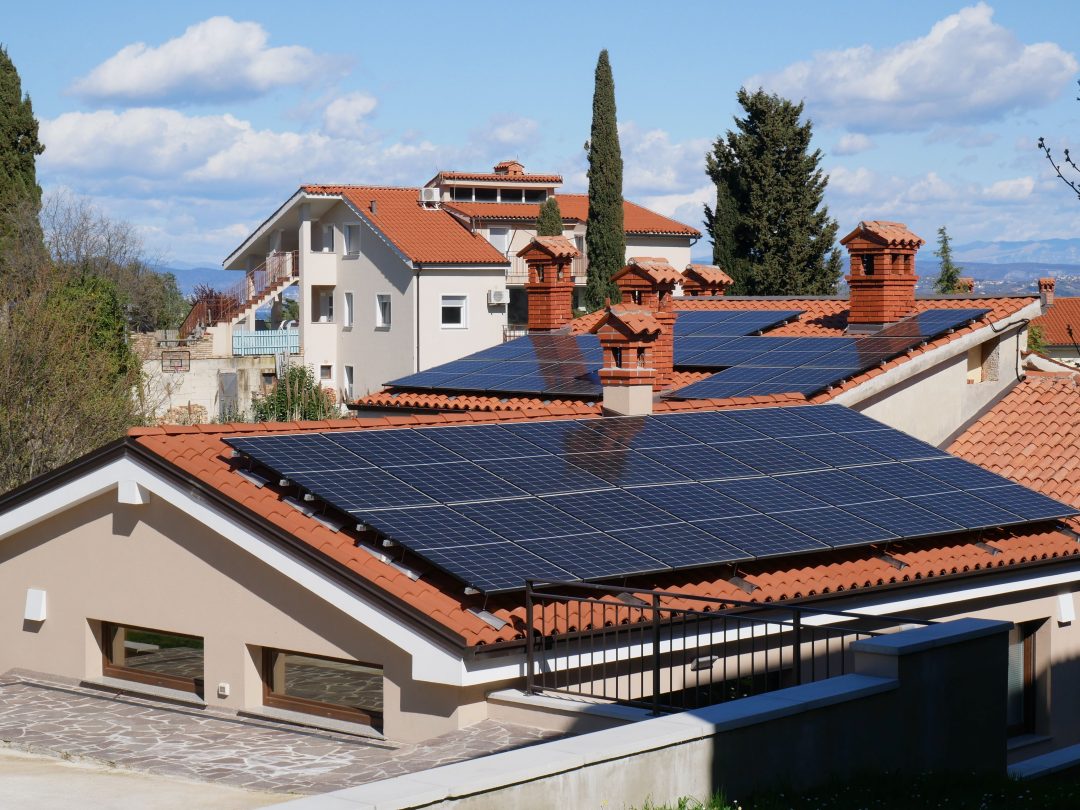
(Singapore, 24.09.2026)Rooftop solar is moving from a climate solution to an increasingly practical response to high electricity prices and unreliable power supplies, with a new global initiative aiming to double the number of buildings equipped with solar systems to 300 million by the end of the decade.
Around 150 million buildings worldwide, including homes, schools and small businesses, are expected to have rooftop solar by the end of 2026, according to the International Energy Agency. The 300 Million Solar Homes Initiative now aims to unlock another 150 million installations by 2030 by bringing together national governments, cities, the solar industry, financial institutions and local communities.
The push comes as households and businesses in different parts of the world look for greater control over their electricity supply. Power price spikes in Manila, blackouts in Lagos and restrictions on electricity demand in Texas are among the pressures encouraging consumers to generate their own power rather than depend entirely on existing energy systems.
For many consumers, the attraction is increasingly economic rather than simply environmental. Rooftop solar can lower electricity bills and reduce exposure to swings in global fuel prices, while pairing panels with batteries can give households and small businesses their own source of stored electricity when grid power is expensive or unreliable.
The challenge is turning growing consumer interest into installations at a much larger scale. Falling prices for solar panels and batteries have helped make the technology more accessible, but industry groups say costs alone will not determine how quickly rooftop solar expands.
National governments control many of the financing rules, energy targets and regulations that shape the market, while local governments often handle the practical issues that determine whether a project actually gets built. These can include approving permits, installing solar systems on public buildings, helping consumers understand their options and organising bulk-purchasing programmes that lower costs.
Poor coordination between the two levels of government can slow deployment even when national policies support renewable energy. The solar industry also needs enough manufacturing capacity, trained installers and common equipment standards to respond when demand rises, while financing needs to reach households and small businesses that have traditionally struggled to access the rooftop solar market.
China’s manufacturing boom drives down costs
The expansion of rooftop solar is being supported by the rapid growth of China’s clean-technology industry, which has helped increase global supply and bring down the cost of solar panels, batteries and other equipment.
China exported US$194 billion worth of clean technologies, including solar panels, batteries, wind turbines and electric vehicles, in 2025, according to Chinese customs data cited by Reuters. Shipments had already reached US$128 billion by June this year.
Analysis by the Centre for Research on Energy and Clean Air found that China’s clean-technology exports in 2025 helped avoid an estimated 374 million metric tons of carbon dioxide emissions during the year. Almost a third of those avoided emissions came from solar equipment exported to South Asia.
Pakistan has become one of the clearest examples of how quickly solar can expand when high electricity costs and unreliable grid supplies meet cheaper equipment. Households and businesses there installed about 27 gigawatts of solar capacity in just two years, while the country has emerged as one of the markets with the highest shares of solar electricity generation.
Australia offers another example of large-scale household adoption, with close to 40% of homes now equipped with solar panels and a growing number adding batteries.
The 300 Million Solar Homes Initiative, backed by the Global Covenant of Mayors for Climate and Energy and the Global Solar Council, is seeking to reproduce that momentum across more markets, particularly in Southeast Asia, Latin America and Africa.
Cities emerge as key to the next wave
Local governments are expected to play a central role because many of the barriers to rooftop solar appear at city level. Faster planning approvals, solar installations on schools and government facilities, group purchasing programmes and clearer consumer guidance can all help accelerate adoption.
Cities can also work with utilities to address delays in connecting rooftop systems to electricity networks, while designing programmes that reach apartment residents, renters and lower-income households that may otherwise be left out of the transition.
National governments, meanwhile, would need to provide predictable financing, clear regulatory authority and a role for cities in designing energy programmes.
The rooftop push also comes as governments prepare for COP31 climate talks in Türkiye, where efforts to increase the role of electricity in global energy consumption are expected to receive attention. One target under discussion is raising electricity’s share of final energy demand from just over 20% today to 35% by 2035.
The global energy debate remains divided, however, particularly over how quickly countries should move away from fossil fuels. US Energy Secretary Chris Wright said on Wednesday that Washington could consider leaving the International Energy Agency unless the organisation changes its approach to climate and energy policy, arguing that it should return its focus to energy security, supply and investment.
Against that wider policy debate, rooftop solar is increasingly being driven by decisions made directly by consumers seeking cheaper and more reliable electricity. Reaching 300 million solar-equipped buildings by 2030 would require another 150 million installations in roughly four years, putting pressure on governments, cities, utilities, manufacturers and financial institutions to ensure that growing demand can translate into systems installed on actual rooftops.