




























(Singapore, 26.10.2026)As Singapore’s family offices become more sophisticated, some wealthy families are seeking greater control over their investment decisions, but this does not necessarily mean moving away from private banks or external advisers.
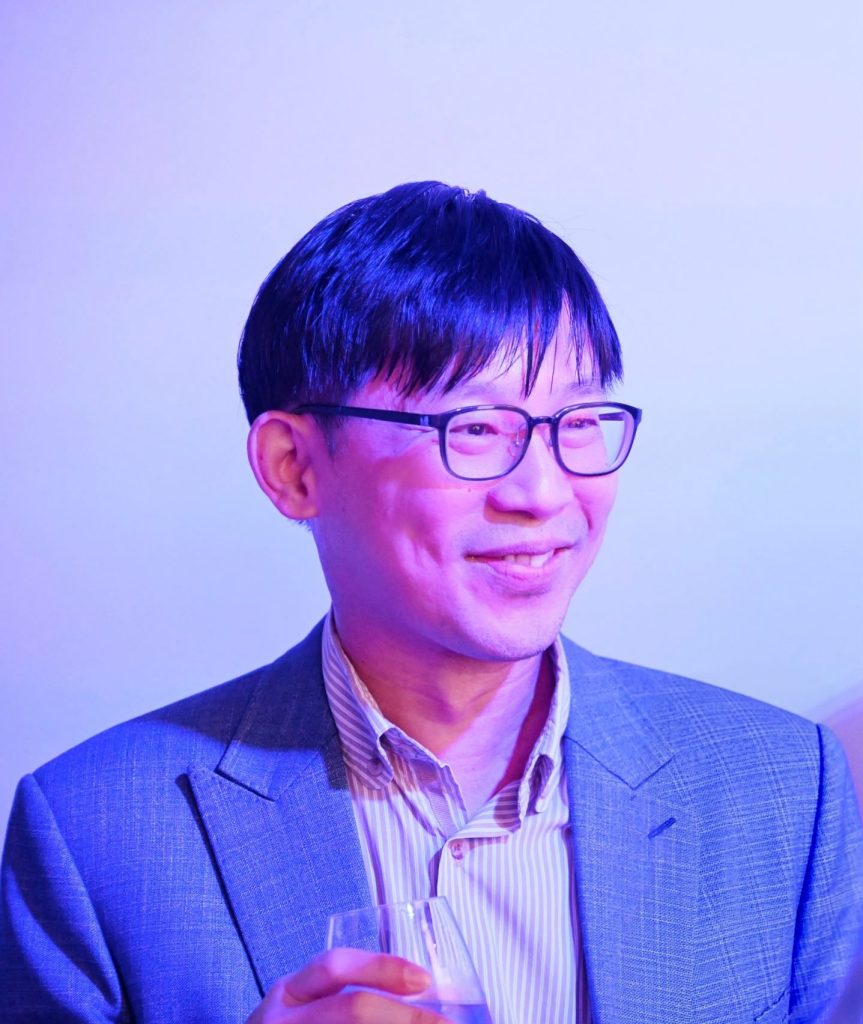
Walter Ng, Director and Chief Financial Officer of Singapore-based Ruifeng Wealth Management (RWM), said the shift is being driven by stronger in-house investment capabilities, concerns over potential conflicts of interest and growing interest in opportunities beyond traditional banking products.
With more family offices hiring experienced investment professionals, families are becoming better equipped to evaluate opportunities independently, including private-market investments and direct deals. However, Ng believes the real change lies in how families choose to use external expertise, rather than whether they should rely on it at all.
The trend comes as Singapore’s family office sector continues to mature, with some families taking a more active role in sourcing investments instead of relying primarily on recommendations from private banks and relationship managers.
Managing part of their portfolios independently allows family offices to develop internal expertise and assess how effectively their teams respond to market opportunities. Yet greater investment independence also brings new responsibilities, particularly when families venture into more complex or less liquid investments.
For Ng, the challenge is not simply deciding whether to manage investments internally or rely on external professionals, but determining how both can work together to serve a family’s long-term interests.
Looking Beyond Investment Recommendations
One of the key considerations for family offices is whether the investment advice they receive genuinely serves their interests, particularly when financial institutions may earn commissions or transaction-based fees from the products they recommend.
Ng believes families should begin by understanding how their advisers are compensated, including whether additional fees are embedded within investment products. While such arrangements do not automatically make an investment unsuitable, they can create potential conflicts of interest that families should take into account.
He also believes that an adviser’s professional judgement and willingness to put the client’s interests first are just as important as the products or investment opportunities being offered.
“A good adviser will also tell you when not to invest,” he said.
Beyond examining fees, family offices should systematically assess investment performance, focusing on returns after costs rather than headline gains alone.
Comparing recommendations against alternatives, such as a low-cost index portfolio, can help families determine whether they are receiving sufficient value for the fees they pay.
Frequent trading, overly complex structured products and recommendations that consistently favour a bank’s in-house offerings may also warrant closer scrutiny.
The desire for greater independence is also encouraging some family offices to explore direct investments, particularly opportunities that fall outside traditional investment products and funds.
For families with established operating businesses, direct investments may provide access to opportunities in industries they already understand, while potentially reducing certain layers of fund management fees.
However, Ng cautioned that direct investing requires more than access to attractive deals. Family offices must also have the expertise and resources to evaluate opportunities, negotiate transactions, monitor performance and manage their investments over time.
Without these capabilities, families could face greater concentration risk, limited liquidity and difficulties exiting investments when circumstances change.
Rather than moving entirely towards direct investments, Ng suggested that family offices gradually develop their internal capabilities, starting with dedicated staff who can manage relationships with external professionals and learn from their investment processes.
Scenario analysis and performance comparisons can also help internal teams strengthen their judgement before families increase the proportion of direct investments in their portfolios.
Greater Control Does Not Mean Going It Alone
As family offices take on more responsibility for their investments, deciding which functions to manage internally and which to delegate becomes increasingly important.
Ng believes the most effective approach is to develop a complementary relationship between internal investment teams and external professionals, rather than treating the two as competing alternatives.
The appropriate division of responsibilities should depend on the family’s existing expertise, available resources, investment complexity and the cost of maintaining specialist capabilities internally.
Over time, he suggested that family offices prioritise governance, strategic planning and matters involving their core operating businesses for internal attention, while continuing to draw on outside expertise where necessary.
Private banks and independent wealth managers can complement these efforts by providing access to investment opportunities, execution services and specialised advice.
However, families should retain responsibility for oversight rather than delegate investment decisions and monitoring entirely to external parties.
By developing internal staff and learning from experienced advisers, family offices can gradually strengthen their own capabilities while continuing to benefit from external expertise.
For smaller family offices, building an extensive internal investment team may not be commercially practical. Independent advisers and multi-family offices could therefore become increasingly relevant to families seeking professional guidance without maintaining a large in-house operation.
Ng expects private banks to remain important partners, particularly for financing, transaction execution and investment access, even as families place greater emphasis on transparency and independent advice.
Looking ahead, he believes the relationship between wealthy families and their external advisers will increasingly depend on two considerations: value and values.
In terms of value, external professionals must go beyond providing investment products or executing transactions. They need to stay informed about market developments, structural changes in the business environment and technological innovation, while bringing together information from different sources to develop solutions suited to each family’s circumstances.
Equally important are the values underpinning those relationships, including ethical conduct, long-term alignment with clients’ interests and a commitment to helping younger generations preserve their family’s legacy.
This also requires advisers to continue developing their own expertise as clients’ circumstances and expectations evolve, rather than relying solely on existing products or established relationships.
For Singapore’s family offices, greater investment independence does not necessarily mean managing everything themselves. The priority is to build the expertise needed to make informed decisions, retain oversight of their investments and work with external professionals whose advice supports the family’s long-term interests.