




















(Singapore,18.05.2026)Today, Singapore-based Feng Shui brand Imperial Harvest unveiled a one-of-a-kind Mahjong set priced at US$1.888 million, the figure alone was enough to command global attention. Positioned as the world’s only bespoke Imperial Feng Shui Mahjong set, the creation sits at the intersection of luxury craftsmanship, cultural symbolism, and metaphysical belief. But beyond the headline-grabbing price tag, a question inevitably arises: is this an extravagant gimmick, or does it represent genuine value?
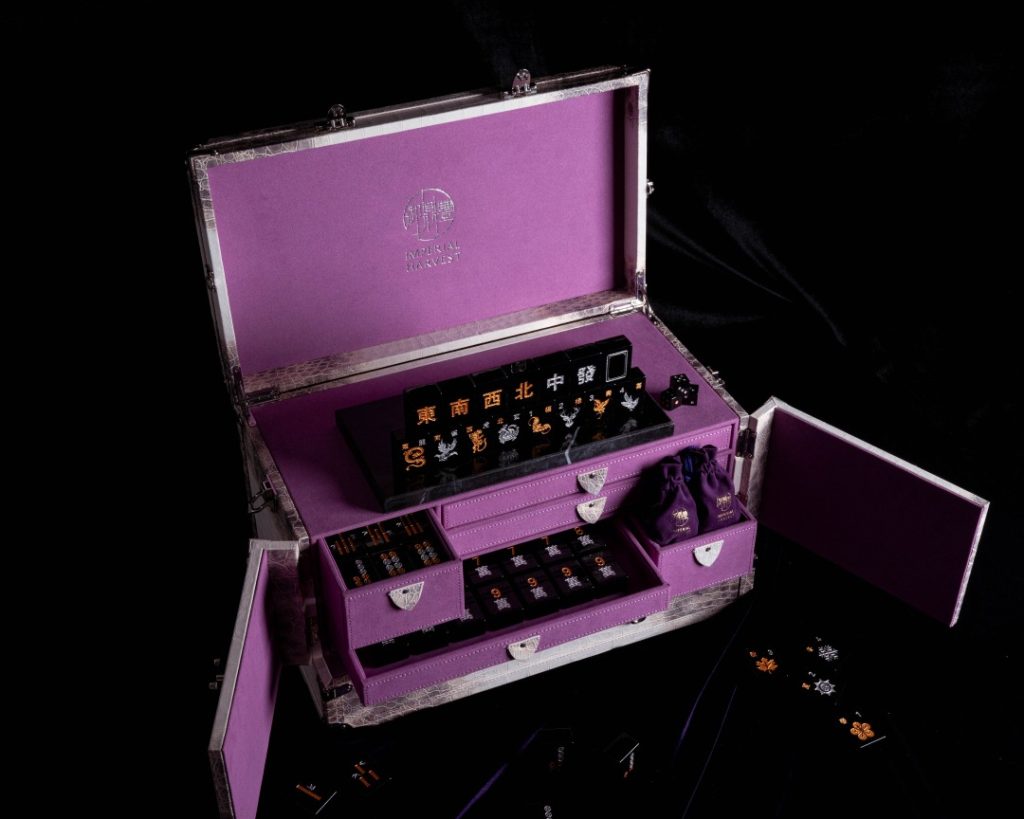
At a material level, the set is undeniably exceptional. Each of its 156 tiles is carved from untreated Burmese Grade A black jadeite — a gemstone prized not only for its rarity but also for its perceived metaphysical properties. The casing itself features Himalayan Niloticus crocodile leather and aerospace-grade Alcantara lining, materials typically reserved for the highest tiers of luxury goods. From a purely artisanal standpoint, the Mahjong set aligns with the standards of ultra-high-end collectibles, where provenance and craftsmanship often justify seven-figure valuations.
Yet material alone does not explain the full pricing logic. The set is also positioned as a “one-of-one” creation — a concept familiar in the art world, where scarcity is often the primary driver of value. Like a unique painting or a bespoke haute couture piece, its worth is not derived from utility but from exclusivity. In this context, the Mahjong set is less a gaming instrument and more a symbolic object, designed to signal status, taste, and access.
Where the narrative becomes more distinctive is in its integration of Imperial Feng Shui principles. Guided by Grand Master David Goh, the set incorporates modifications such as the Four Celestial Guardians, auspicious animal motifs, and the “Seven Star Lighting” configuration — all intended to align energy, enhance clarity, and attract prosperity.
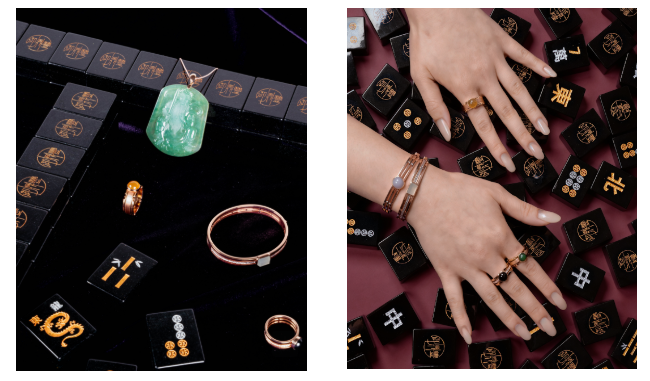
sculpted from 100% natural, untreated Burmese Grade A Black Jadeite.
For believers in Feng Shui, these elements may add a layer of intangible value that goes beyond aesthetics. The set becomes not just an object, but a curated “energy field” — something that interacts with its owner’s environment and fortune. For skeptics, however, this same narrative may reinforce the perception that the pricing leans more on symbolism than substance.
This tension reflects a broader shift in the luxury market. Increasingly, ultra-high-net-worth buyers are not just purchasing products — they are buying stories, philosophies, and identity. Whether it is art, rare watches, or bespoke experiences, value is often defined by meaning rather than function. In that sense, the Mahjong set fits squarely within a growing category of “narrative luxury,” where cultural depth and personal belief systems are integral to the product itself.
There is also a philanthropic dimension. Imperial Harvest has announced that proceeds from the sale will be directed toward charitable causes.
Ultimately, whether the US$1.888 million Mahjong set is seen as a spectacle or as something worth its price depends on the lens through which it is viewed. To a conventional consumer, it is almost certainly excessive. To a collector of rare objects, it may be justified by its uniqueness. And to those who believe in the power of Feng Shui, it could represent something far more profound — an instrument of alignment, protection, and prosperity.