



























(Singapore, 12.03.2026)The escalating conflict between the United States, Israel and Iran is sending shockwaves through global financial markets, with oil prices surging, shipping routes disrupted and governments preparing emergency measures to stabilize energy supplies.
Fresh attacks on oil tankers in the Gulf region have intensified concerns that the conflict could trigger a prolonged energy shock, potentially driving crude prices sharply higher and complicating the global fight against inflation.
Tanker Attacks and Shipping Risks Push Oil Prices Higher
Two oil tankers were set ablaze in Iraqi waters after being struck by explosive-laden boats, according to maritime authorities and regional officials. The attacks came amid a broader wave of strikes on shipping and oil infrastructure across the Middle East, a region that supplies a large share of the world’s energy.
The incidents occurred near key Iraqi oil export routes, raising fears about disruptions to shipments from one of the region’s major producers. One crew member was reported killed in the latest attack.
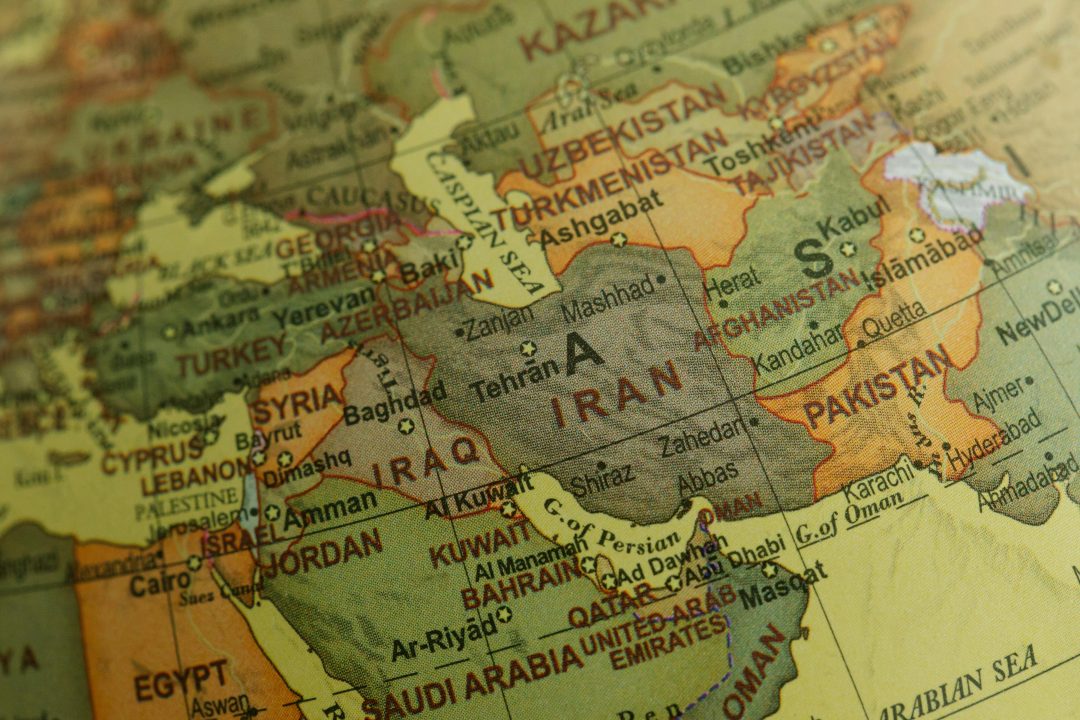
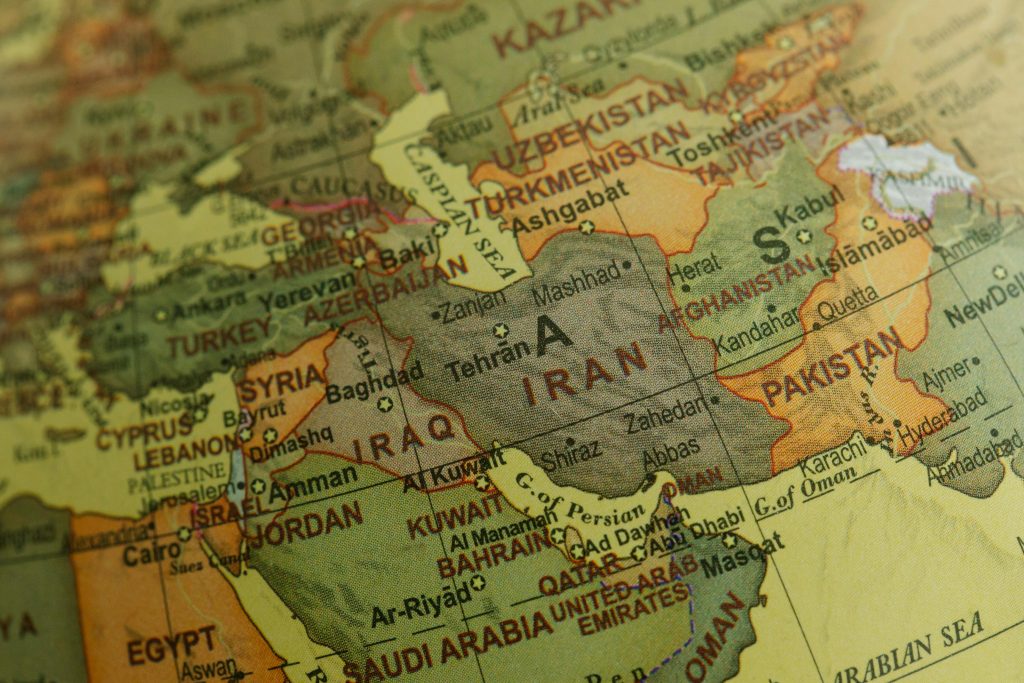
These developments highlight the growing risks to commercial shipping in the Persian Gulf, particularly around the Strait of Hormuz, a narrow maritime chokepoint through which roughly one-fifth of the world’s oil supply normally passes.
Shipping through the strait has effectively come to a halt amid reports that Iran may have deployed naval mines in the waterway. The situation has forced energy traders and shipping companies to reassess routes and insurance costs, pushing oil prices higher.
Energy markets reacted swiftly to the escalating tensions, with Brent crude jumping about 9% to above $100 per barrel, while U.S. crude futures climbed to around $95.
Earlier in the week, oil prices had briefly surged to nearly $120 per barrel before easing slightly. However, renewed tanker attacks and uncertainty over shipping routes pushed prices higher again.
Iranian military officials have warned that oil could reach as high as $200 per barrel if regional security continues to deteriorate.
Such a spike would represent one of the most severe energy shocks since the oil crisis of the 1970s and could have major implications for inflation, global economic growth and monetary policy.
Analysts say the attacks appear to be aimed at raising economic pressure on Western nations by disrupting energy supplies. Another emerging concern is the increasing use of naval drones in attacks on commercial vessels.
Explosive unmanned boats have reportedly been used in several recent strikes against oil tankers in the Gulf. Security analysts say these drones can carry significant explosive payloads and are capable of damaging or disabling large ships.
Unlike aerial drones, sea-based drones can strike vessels near the waterline, potentially immobilizing them and leaving them vulnerable to further attacks.
Global Efforts to Stabilise Surging Oil Prices
In response to the rapidly rising prices, the International Energy Agency (IEA) announced the largest coordinated release of emergency oil reserves in history.
The 32-nation group recommended releasing around 400 million barrels from global strategic stockpiles to help stabilize the market.
The United States will contribute 172 million barrels from its Strategic Petroleum Reserve, with shipments expected to begin next week and continue for about four months.
U.S. officials hope the coordinated release will ease supply shortages and dampen price spikes caused by the conflict. However, some analysts warn that strategic reserves can only provide temporary relief if shipping disruptions persist or expand across the region.
The surge in oil prices and geopolitical uncertainty has rattled financial markets worldwide.
Stocks across Asia fell sharply as investors worried that higher energy costs could push inflation upward and slow global growth. Major share indexes on Wall Street also declined.
Bond markets reflected similar concerns, with government bond yields rising as traders anticipated higher inflation and potentially tighter monetary policy.
The spike in energy prices has already led markets to scale back expectations for interest rate cuts by the U.S. Federal Reserve this year.
Meanwhile, currencies of energy-importing economies weakened as investors sought the relative safety of the U.S. dollar.
War Costs and Economic Risks Continue to Rise
Beyond the energy shock, the financial cost of the conflict itself is also rising.
According to officials who briefed U.S. lawmakers, the first six days of the military campaign against Iran cost at least $11.3 billion.
That estimate includes around $5.6 billion worth of munitions used in the initial two days of airstrikes.
The figure does not include the broader cost of the war, and U.S. officials are expected to seek additional funding from Congress. Some estimates suggest future funding requests could reach $50 billion or more.
Lawmakers have also raised concerns that the conflict could strain U.S. military stockpiles at a time when defense manufacturers are already struggling to meet rising global demand.
While political leaders debate the military and diplomatic outlook, markets are increasingly focused on the economic consequences of the conflict.
Energy prices have become a central factor shaping investor sentiment and global policy decisions.
With shipping routes threatened, oil infrastructure targeted and major powers involved, the risk of prolonged energy disruption remains high.