












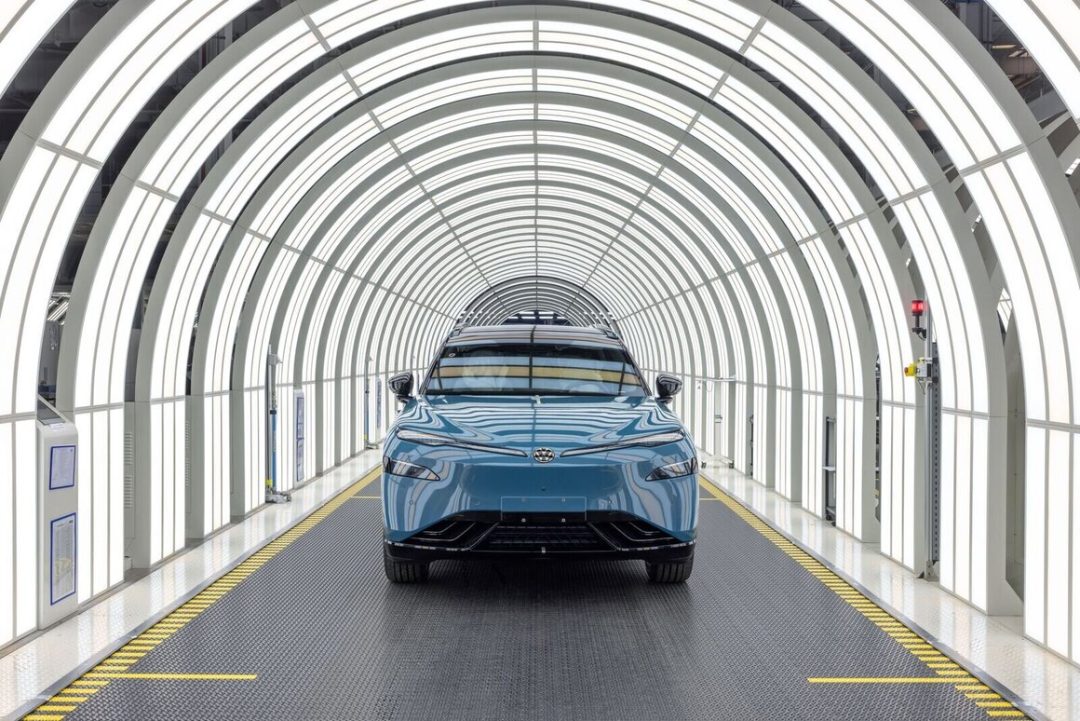
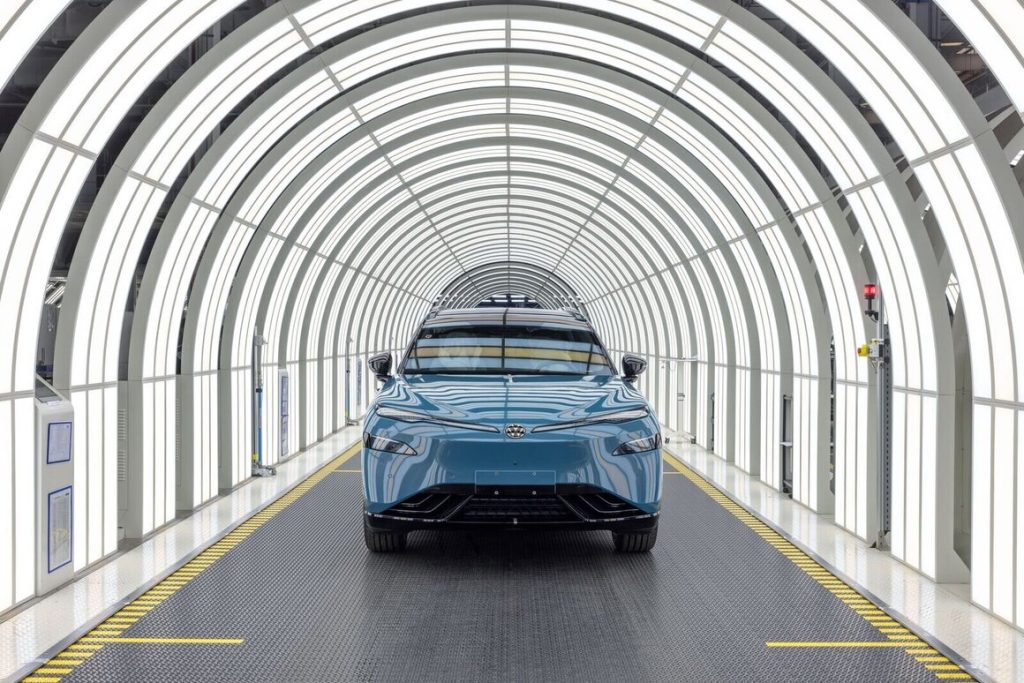
(Singapore, 20.10.2026)Volkswagen’s partnership with Chinese electric vehicle maker Xpeng was supposed to help the German carmaker move faster in China, but disappointing sales of their first jointly developed model show how difficult its comeback has become in a market increasingly shaped by local competitors.
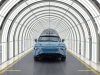
The ID. UNYX 08 electric SUV averaged just 267 sales a month between its April launch and August, compared with Volkswagen’s initial target of 3,622 monthly sales for this year, according to automotive consultancy ThinkerCar and company planning documents reviewed by Reuters.
The weak start carries implications beyond a single model, as Volkswagen tries to rebuild a business that once contributed nearly half its group profits but now accounts for about 10%, according to Reuters. The reversal has helped drive the company into the biggest restructuring in its 89-year history.
Volkswagen entered the Xpeng partnership in 2023 to accelerate development and deliver vehicles better suited to Chinese buyers, yet the SUV’s early performance suggests that access to local technology alone cannot resolve weaknesses in pricing, distribution and execution.
A New SUV Struggles to Stand Out
Launched at about US$34,260, the UNYX 08 faced similarly priced Chinese alternatives offering more sophisticated features, including the advanced sensor package in Xiaomi’s YU7 and fast charging in Zeekr’s 7X.
Between April and August, Xiaomi sold almost 57,000 YU7s and Zeekr sold more than 21,000 7Xs, while the UNYX 08 recorded around 1,300 sales, according to ThinkerCar.
The comparison illustrates Volkswagen’s challenge in convincing buyers to choose its vehicles when domestic brands are introducing technology-rich models at competitive prices, leaving its established reputation under pressure from changing consumer expectations.
Distribution further complicated the launch, as Volkswagen largely offered the SUV through a separate network operated by Volkswagen Anhui, its electric vehicle-focused venture, rather than the more than 3,000 dealerships operated with partners FAW and SAIC.
Two people familiar with the situation told Reuters that Anhui’s smaller footprint left many consumers unaware of the vehicle, limiting its exposure in an already crowded market.
Volkswagen said Anhui had expanded its network to 166 outlets and was cooperating with FAW-Volkswagen at selected dealerships to reach more customers, adding that sales of Anhui models were growing.
The company also defended the broader Xpeng alliance, saying it had produced a new electrical architecture for locally manufactured vehicles in a record 18 months, alongside the UNYX 08 SUV and the related UNYX 09 sedan.
Volkswagen did not comment on the sales forecasts reviewed by Reuters, while Xpeng declined to comment.
Despite the SUV’s weak reception, Volkswagen is maintaining ambitious expectations for the UNYX 09, which is due to reach showrooms this month. Planning documents prepared earlier this year projected average monthly sales of nearly 4,900 vehicles and annual sales exceeding 90,000 by 2034.
For the UNYX 08, Volkswagen had already reduced its 2026 sales forecast by more than 60%, from 32,600 vehicles to 12,300, although it continued to project 64,000 sales for 2027. In recent weeks, the company has advertised the SUV at a 17% discount to its launch price.
A Shrinking Market Raises the Stakes
Volkswagen’s difficulties reflect a wider challenge for foreign carmakers that have turned to Chinese partners for software, batteries and vehicle platforms, only to find that technical cooperation does not automatically translate into products consumers want.
Chinese manufacturers led by BYD and Geely have gained ground by bringing software-rich vehicles to market faster and often at lower prices, putting pressure on established foreign brands to shorten development cycles and sharpen their offerings.
Volkswagen reportedly explored potential cooperation with BYD and Leapmotor in 2022 and 2023, according to people familiar with the discussions, although the company subsequently denied having held collaboration talks with BYD. The reasons a deal did not materialise remain unclear.
The competitive pressure is intensifying as the market itself weakens, according to a September 10 staff message from Volkswagen China chief executive Ralf Brandstaetter.
Brandstaetter said Volkswagen expected China’s passenger-car market to contract by 20% this year, equivalent to about 4.5 million vehicles, while industry profit margins had fallen to 1.5%.
He also said product cycles had shortened from seven years to three, with some new electric models experiencing steep sales declines after just three months, underscoring how quickly manufacturers can lose momentum.
Volkswagen’s share of China’s passenger-car market fell from roughly one in five vehicles in 2019 to 10% in the first eight months of this year, according to the China Passenger Car Association.
Brandstaetter urged the company to align production capacity with market conditions and remove unnecessary duplication across its Chinese brands and entities, as Volkswagen confronts the need to turn faster development into stronger sales.
Bill Russo, founder of Shanghai-based consultancy Automobility, told Reuters that recovery remained possible, although Volkswagen risked being overtaken by a market changing faster than it could reinvent itself.