










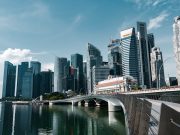








(SINGAPORE 2026.11.27) On 27 October, Singapore announced an investment of S$138 million over five years for the next phase of its food research programme. For the first time, food supply resilience is designated as one of five research areas, alongside aquaculture, agriculture, future foods and food safety. Research in this area will harness data and modelling to improve predictions of climate risks and supply disruptions, develop technologies to extend food shelf life, and improve the management of food stocks.
Singapore imports more than 90% of its food. Speaking at Singapore International AgriFood Week, Grace Fu, Minister for Sustainability and the Environment and Minister-incharge of Trade Relations, said that increasing local food production alone would not be enough to shield the country from the impact of global supply disruptions. Therefore, strengthening food supply resilience should not be just about producing more, but also about reducing losses sustained between the farm and the shelf.
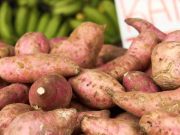
How significant are these losses? The United Nations Food and Agriculture Organization estimates that about 14% of the world’s food is lost before reaching retail after harvest, while a further 17% is wasted at the retail and consumption stages. For fresh produce such as sweet potatoes, the window for storage and sale is particularly short. Harvesting is often concentrated within a few weeks across farms, and the tubers continue to respire and sprout after being harvested, resulting in their quality deteriorating over time. Without timely cooling and sorting, sweet potatoes originally suitable for the fresh market can quickly degrade to a state in need of processing or to be discarded because of spoilage.
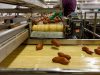
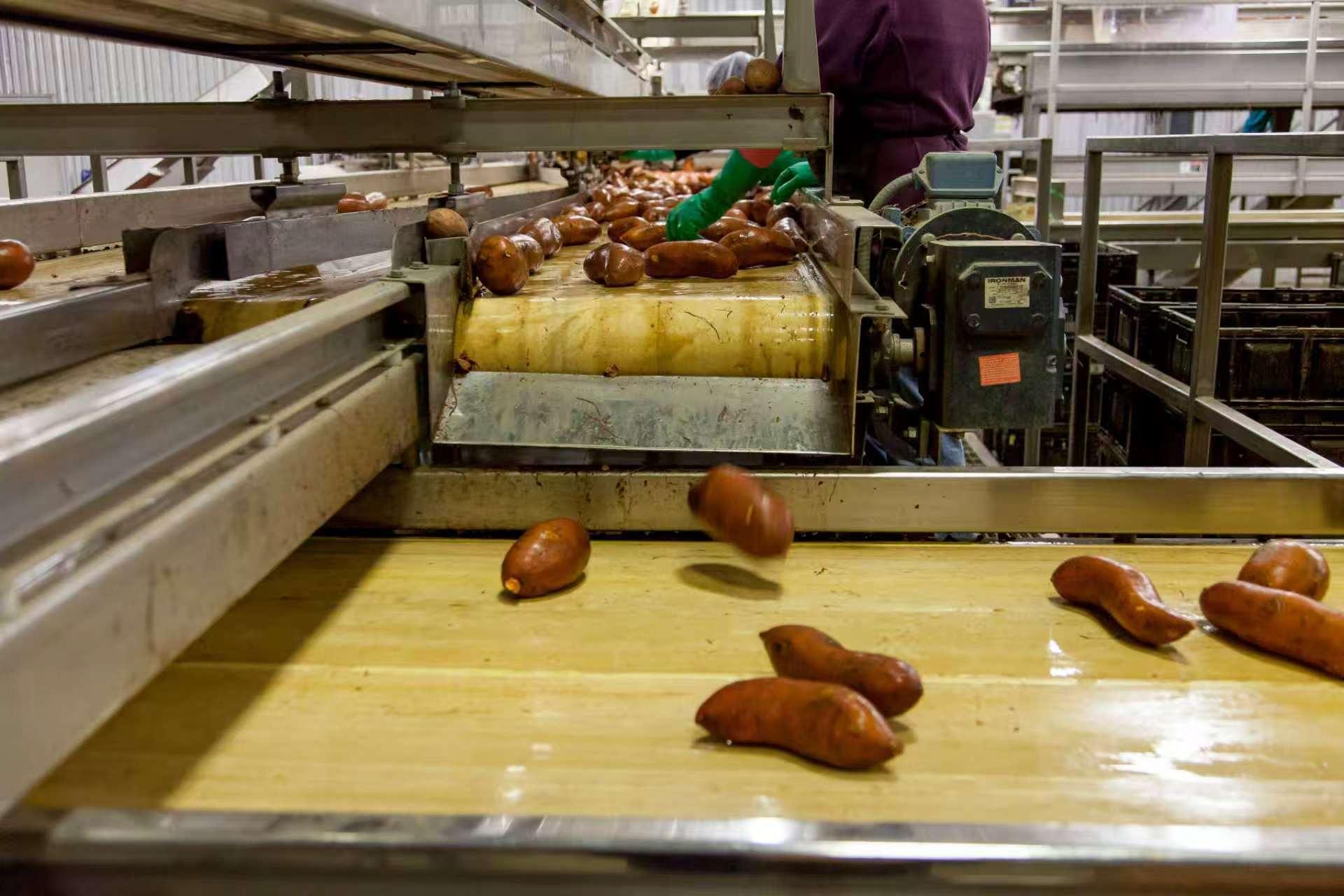
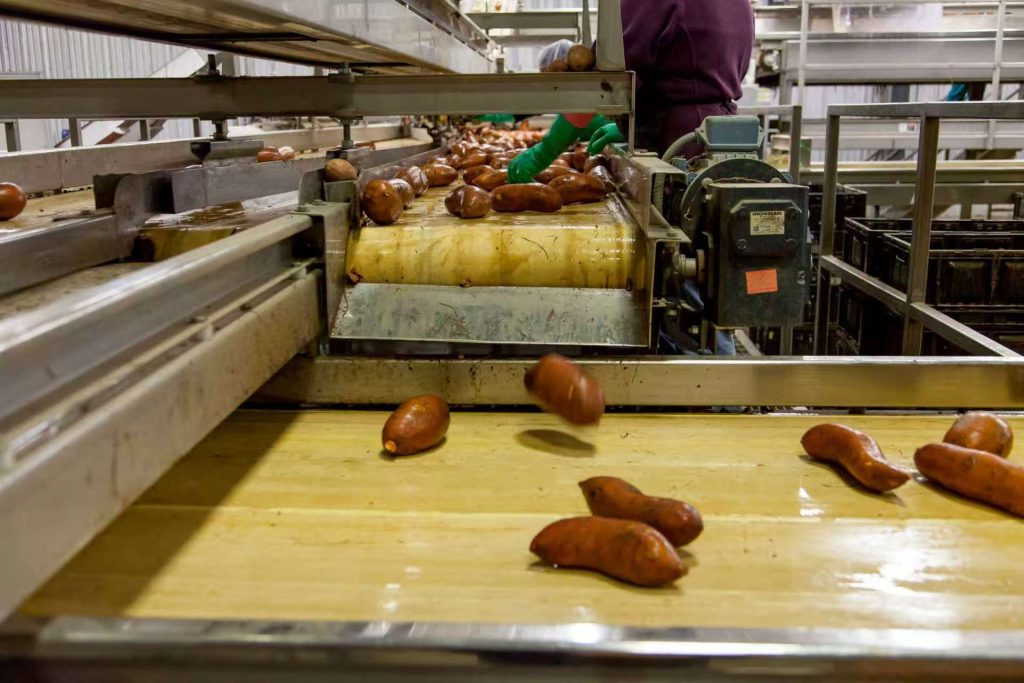
Zixin Group Holdings, which operates a sweet potato value chain in Liancheng, Fujian, has to contend with these challenges every harvest season. Its FY2026 annual report details the company’s process for handling and storing fresh sweet potatoes. When large volumes arrive within a short period, the roots are first sorted to determine where they should go. Those that meet fresh-market specifications are supplied to retailers, while those that donot meet the required size or appearance standards but are still suitable for processing are sent to the factory. Damaged or deteriorating roots are discarded before storage. Batches suitable for storage are then placed in temperature-controlled cold rooms to prevent quickdeterioration in quality and allow more time for subsequent sale or processing.
For its warehousing operations, Zixin outsources sorting, packing, and refrigeration to an external smart warehouse operator. Although the facility is operated by an external party, Zixin sets the operating procedures, including sorting standards, inventory holding periods and arrangements for releasing stock.
Zixin began using external smart warehousing facility in the second half of FY2024. In the first half of FY2025, the six months ended 30 September 2024, its gross margin rose to 33.2%, from 29.6% a year earlier. The improvement was mainly attributed to the extended storage life enabled by the smart warehouse, which gave the company more time to channel fresh sweet potatoes into higher-priced supermarket and e-commerce outlets, as well as an increase in sales volume.
The company says the facility has extended the shelf life of fresh sweet potatoes from one to two weeks to one to two months. This gives it more time to wait for better prices and reach markets beyond Liancheng, rather than having to sell its produce in a hurry when harvests flood the market. It can also manage inventory and schedule deliveries more flexibly.
But storing sweet potatoes is not always more profitable than selling them immediately. Nor is every batch worth keeping in storage. When deciding whether to put a batch into cold storage, Zixin executive chairman Liang Chengwang weighs two potential returns: how much the company could earn by selling the roots immediately after harvest, and how much it could gain by holding them for later orders or scheduled processing.
“If storing a batch gives us more time to achieve more orders or avoid the price slump when harvests flood the market, the extra warehousing costs are worthwhile,” Mr Liang says. “But if demand is uncertain and the expected price difference is small, selling sooner may be the more sensible commercial decision.”
Singapore’s increased investment in food research could help concerned parties identify supply risks earlier, extend the shelf life of food and manage inventories more effectively. But longer shelf life does not necessarily make storage commercially worthwhile. If refrigeration and inventory management costs are too high, companies may be reluctant to bear the additional expense of keeping food stocks for extended periods. Strengthening food supply resilience therefore depends not only on technological advances, but also on whether businesses have sufficient incentives to participate in stockpiling. The government can use policy measures where appropriate to help strike a balance between commercial viability and the broader goal of food security.