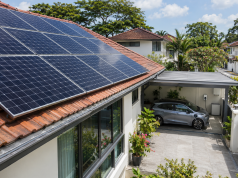





















(Singapore, 27.11.2026)For Singapore homeowners considering rooftop solar, the decision often begins with two questions – how much will it cost and how much can they save on electricity bills? While both are important, the long-term value of a solar system also depends on factors such as roof condition, installation quality, equipment reliability, household electricity consumption and ongoing maintenance.
As solar energy becomes more familiar to Singapore households, the challenge is no longer simply encouraging homeowners to adopt renewable energy, but helping them make informed decisions about a system that could remain part of their homes for 25 years or more.
Kerr Sun, Founder and CEO of 9 Solar Fintech, said high upfront installation costs, uncertainty over financial returns, roof leakage, maintenance requirements and the lifespan of solar equipment have traditionally been among the biggest concerns for homeowners.
However, he believes the conversation is gradually shifting from whether households should adopt solar energy to how they can do so safely, affordably and with minimal risk.
“Many homeowners are not interested in becoming experts in solar technology. They simply want lower electricity bills, reliable performance and peace of mind,” Sun said in an interview.
For owners of landed properties, installing solar panels represents a long-term commitment that extends beyond the initial purchase. While comparing quotations is a natural starting point, differences in equipment, system design, installation standards and after-sales support can affect the overall financial benefits over the system’s operating life.
Sun said homeowners should consider the quality and reliability of solar panels and inverters, the structural condition and waterproofing of their roofs, electrical safety, as well as the availability of long-term monitoring and maintenance services.
The financial stability and track record of the solar provider are also worth examining, particularly when homeowners expect the company to provide technical support for many years.
“A cheaper system is not necessarily a more economical system over its lifetime. Poor installation, equipment failures or prolonged downtime can easily erode the initial savings,” he said.
Another important consideration is the accuracy of electricity generation and savings projections. Homeowners seeking quotations from different solar providers may receive considerably different estimates, even when the proposals are based on the same property.
Sun explained that installers may use different assumptions regarding effective sunlight hours, panel efficiency, roof orientation, shading, system losses and future electricity tariffs. The proportion of solar electricity consumed directly by the household, rather than exported to the grid, can also influence projected financial returns.
For example, assuming all other factors remain unchanged, an installer using four effective sunlight hours per day would project approximately 25% more electricity generation than one using 3.2 hours. Such differences can significantly affect estimated annual savings and the projected payback period.
Homeowners should therefore request a detailed breakdown of the assumptions behind each proposal, including projected annual electricity generation in kilowatt-hours (kWh), historical household electricity consumption, electricity tariffs, compensation for surplus electricity exported to the grid and the expected decline in panel performance over time.
Sun said 9 Solar favours conservative and achievable projections rather than overly optimistic estimates. A realistic assessment allows homeowners to better understand the potential benefits of solar energy without developing expectations that may be difficult to meet.
The size of a solar installation is another area where homeowners may encounter differing recommendations. Although a larger system can potentially generate more electricity, it does not necessarily deliver better financial returns.
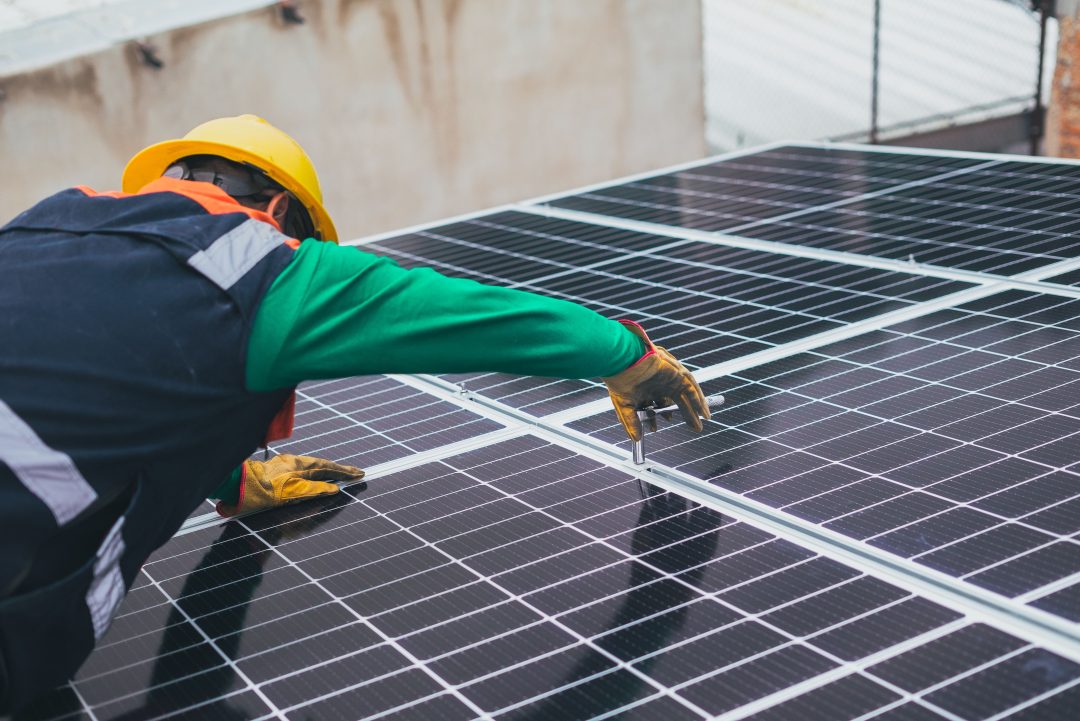
A landed property with a large roof may appear suitable for an extensive solar installation during an initial assessment. However, a closer technical examination could reveal shading from neighbouring trees, rooftop water tanks or architectural features, as well as sections of the roof that require waterproofing work.
In such situations, reducing the number of panels, repositioning them to more productive sections of the roof or addressing existing roof issues before installation may be more beneficial over the longer term.
Household electricity consumption patterns are equally important. A family that uses most of its electricity at night may require a different system configuration from a household with substantial daytime consumption, such as those operating air-conditioning systems, swimming pool pumps or charging electric vehicles during daylight hours.
Understanding when electricity is consumed can help determine how much solar-generated electricity a household can use directly and how much may be exported to the grid.
“Installing more solar panels does not necessarily mean achieving better financial returns. The objective should be to optimise the system, not merely maximise its size,” Sun said.
Looking beyond installation to long-term accountability
While equipment selection and system design are important, homeowners should also pay close attention to the contractual arrangements governing their solar installations, particularly when it comes to maintenance, warranties and responsibility for potential problems.
Sun said homeowners should establish who is responsible for routine maintenance and equipment replacement, whether monitoring and technical support are included, and who bears the cost of addressing roof leakage directly attributable to solar installation.
They should also clarify how the temporary removal and reinstallation of solar panels would be handled if roof repairs become necessary, as well as what happens if actual electricity generation falls below initial projections.
Understanding the distinction between projected performance and contractual guarantees is particularly important. A solar panel manufacturer’s performance warranty, for instance, is different from an installation workmanship warranty or a guarantee of household electricity savings.
Other contractual considerations include what happens if the property is sold, whether early termination is permitted and who owns the solar system and its associated environmental attributes during and after the contractual period.
These questions become particularly relevant as alternative solar financing models offer homeowners options beyond purchasing and owning a system from the outset.
Through its residential offering, 9 Solar Home, the company adopts a zero-upfront-cost model under which it finances the solar installation and provides maintenance during a nine-year contractual period. Ownership of the solar system is subsequently transferred to the homeowner at the end of the contract.
The model is intended to reduce the initial financial barrier for homeowners who are interested in adopting solar energy but may be reluctant to commit substantial capital to an installation.
Sun said the company also takes responsibility for roof leakage attributable to its installation, subject to the agreed contractual terms.
For homeowners considering such arrangements, understanding the payment structure, contractual obligations, maintenance coverage and ownership transfer conditions remains an essential part of evaluating the overall financial benefits.
The financing model also changes the nature of the relationship between the solar provider and the homeowner. Rather than ending with the completion of an installation, the relationship continues throughout the contractual period, during which the system’s operating performance remains an important consideration for both parties.
Sun said 9 Solar’s approach is to position itself as a long-term solar energy partner rather than simply a solar panel installer, with its responsibilities extending beyond system design and installation to ongoing maintenance and performance monitoring.
“Because we invest our own capital into the solar assets, we have a direct financial interest in ensuring that the systems operate efficiently and reliably throughout the contractual period,” he said.