



























(Singapore, 09.09.2026)Singapore’s growing position as a global wealth management hub is attracting more family offices and private wealth businesses, but as the industry expands, finding enough people may not be the only challenge. Increasingly, the question is whether family offices can find professionals with the right mix of investment knowledge, cross-disciplinary expertise and adaptability.
Recent moves by global financial and professional-services firms to expand their private wealth presence in Singapore have reinforced confidence in the city-state as a destination for international wealth, while adding to competition for experienced professionals as family offices take on increasingly complex needs.
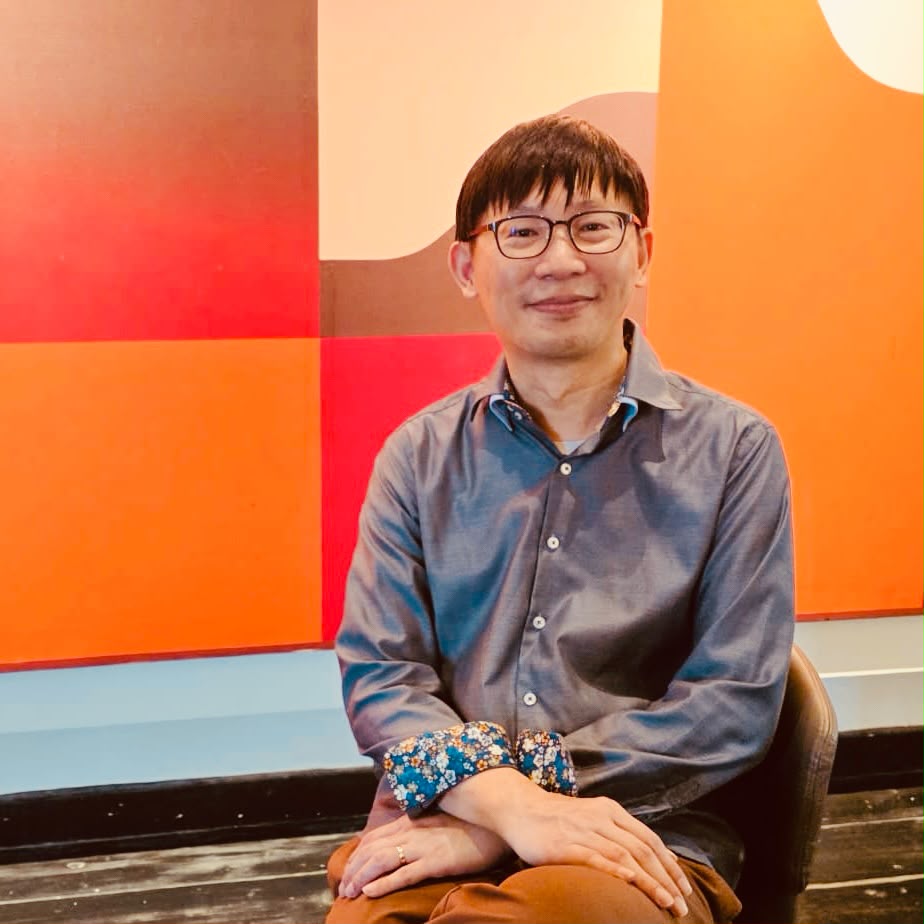
Walter Ng, Director and Chief Financial Officer of Singapore-based Ruifeng Wealth Management (RWM), believes talent will remain one of the key challenges facing the industry, although the issue goes beyond simply increasing headcount.
“The challenge is not simply having enough people, but having professionals with the right combination of expertise, experience and adaptability to keep pace with a fast-changing environment,” he said.
That combination is becoming more important as the role of family offices expands beyond managing investment portfolios. Many wealthy families now have to navigate governance, succession planning, tax considerations, legal matters and cross-border structures, creating demand for professionals who can understand how these different areas connect.
Beyond Traditional Investment Skills
Investment expertise alone may no longer be enough as family offices take on broader responsibilities. Professionals increasingly need cross-disciplinary knowledge that allows them to work across investments, governance, tax and legal matters, while also recognising when specialist advice is required.
Technology and artificial intelligence are adding another dimension, making adaptability and continuous learning more important as family offices explore new tools for investment research, portfolio management and their wider operations.
Ng said the ability to synthesise information, understand different areas and connect a family with the right expertise will become increasingly valuable.
This does not mean every family office needs to hire specialists in every field. Building a large internal team can be costly, particularly for smaller or newly established family offices, while the expertise required will differ depending on a family’s assets, business interests and cross-border needs.
For some, a leaner structure may therefore be more practical, allowing a smaller internal team to retain oversight of the family’s priorities while working with external asset managers and specialist advisers in areas where dedicated in-house capabilities may not be necessary.
As a family and its requirements grow more complex, selected capabilities can be brought in-house, while sufficient internal expertise remains important to assess advice, coordinate service providers and ensure external partners stay aligned with the family’s objectives.
“There is no one-size-fits-all approach,” Ng said.
Bigger Teams Are Not Always the Answer
These changing needs also have wider implications for Singapore as it competes with financial centres such as Hong Kong and Dubai for both global wealth and the professionals who manage it.
Maintaining a strong talent pipeline will require more than attracting experienced wealth management professionals from overseas. Developing local talent will be equally important as family offices demand a broader range of skills.
Continuous learning, wider industry exposure and international experience can help professionals keep pace with changes beyond Singapore, while closer links between academia, financial institutions and professional-services firms can support knowledge transfer and strengthen the wider wealth management talent pool.
The need for such expertise is likely to grow as family offices move beyond relatively straightforward investment structures to deal with more complex financial and non-financial matters. Yet that does not mean they will all evolve in the same direction.
Ng expects different family-office models to coexist across Asia, with larger and more complex family offices potentially moving towards more institutionalised structures supported by dedicated professional teams and greater in-house capabilities, while smaller or more specialised family offices may remain relatively lean by leveraging technology and external expertise when needed.
For smaller teams, technology could make it easier to access information and coordinate specialist advice without building every capability internally, while outsourcing can provide expertise in areas where permanent in-house resources may not be justified.
Ultimately, the size of a family-office team may matter less than whether its structure suits the family’s needs. Understanding which capabilities should remain in-house and where external expertise can add value will play a growing role in shaping that model.
As Singapore’s family-office sector continues to expand, its talent and professional-services ecosystem will need to evolve alongside it, with more complex family needs placing greater value on professionals who can work across disciplines and connect families with the right expertise when needed.