























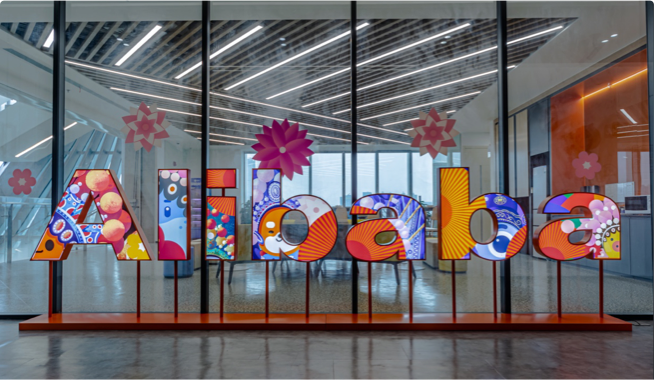
(Singapore, 17.08.2026)Alibaba Group is selling its gaming unit Lingxi Games to Asian private equity firm Trustar Capital in a deal expected to bring in more than US$2 billion, as the Chinese technology giant continues to shed non-core assets and direct more resources towards artificial intelligence and cloud computing.
Alibaba and Trustar have reached a formal agreement after several rounds of negotiations, according to an internal memo sent to Lingxi employees on Monday by chief executive Zhou Bingshu and reviewed by Reuters. Under the agreement, Alibaba will transfer its entire stake in the Guangzhou-based game developer to Trustar.
The memo did not disclose the transaction value or expected completion date, while details about regulatory approvals and other conditions were also not provided. A person familiar with the matter told Reuters that Alibaba is expected to receive more than US$2 billion from the sale, while Bloomberg separately reported that the transaction values Lingxi at more than US$1.5 billion.
Lingxi, Alibaba and Trustar did not immediately comment publicly on the deal.
Despite the ownership change, Lingxi’s existing management is expected to remain in place, with Zhou saying that he and his team will continue to lead the company. Trustar, formerly known as CITIC Capital, is an Asia-focused private equity firm that Zhou said has the industry resources and operational experience to support Lingxi’s next stage of development.
Alibaba Sharpens Its Focus on AI
The sale comes as Alibaba undergoes a broader restructuring under chief executive Eddie Wu, with the company reviewing businesses outside its core priorities while stepping up investment in AI and cloud computing.
Alibaba operates businesses ranging from e-commerce and cloud services to digital entertainment, but its strategic focus has increasingly shifted towards AI as competition among Chinese and global technology companies intensifies. The company has set an ambitious target of generating US$100 billion in AI revenue over the next five years.
That push is already becoming visible through its Qwen family of AI models, which Alibaba has been rapidly expanding. The company recently released its largest model to date, Qwen3.8-Max, as it seeks to strengthen its position against both Chinese competitors and leading US AI developers.
Alibaba said its open-weight Qwen models have recorded more than 3 billion downloads globally over the past six months, with more than 460 models released and over 300,000 derivative models created by developers. The company has also been distributing Qwen through its cloud platform to enterprise customers in markets including Southeast Asia and Africa.
The growing importance of AI, however, comes with substantial costs, as Chinese technology companies pour money into computing infrastructure, data centres and increasingly powerful models. Against that backdrop, selling businesses that no longer fit Alibaba’s main strategy could free up both capital and management attention for areas it considers more important to future growth.
Lingxi had been on the market for some time, according to people familiar with the matter, making its sale part of Alibaba’s broader effort to streamline its sprawling business portfolio rather than a sudden retreat from gaming.
Lingxi Enters New Chapter
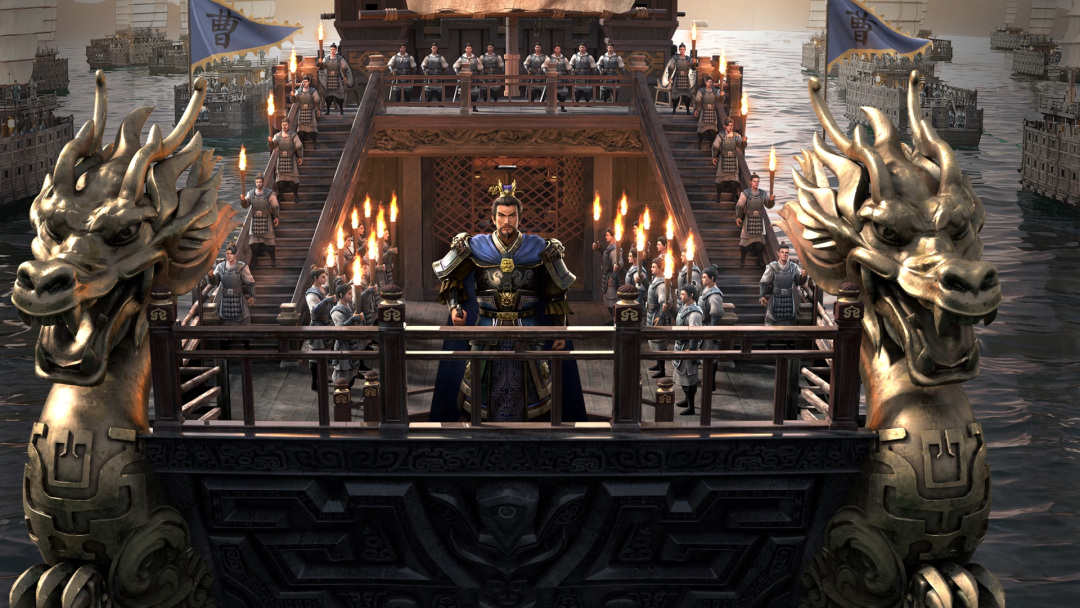
Lingxi is best known for Three Kingdoms: Strategy Edition, a popular multiplayer strategy game based on China’s Three Kingdoms period and developed in collaboration with Japan’s Koei Tecmo Holdings, whose well-known franchises include Romance of the Three Kingdoms and Nobunaga’s Ambition.
The gaming company had previously explored raising funds from outside investors, but a fundraising process planned in late 2023 stalled after Chinese authorities proposed tighter regulations for the online gaming sector, according to Reuters.
Lingxi subsequently underwent a management reshuffle in 2024, when Zhou, who had led the development team behind Three Kingdoms: Strategy Edition, became chief executive following the departure of founder Zhan Zhonghui.
It remains unclear whether Alibaba will maintain commercial relationships with Lingxi after the transaction, including possible arrangements involving game publishing, cloud computing or technology services.
For Trustar, the acquisition provides control of an established Chinese game developer at a time when the country’s gaming industry is recovering from years of regulatory uncertainty. Keeping Lingxi’s existing management in place could also provide continuity while the private equity owner explores its next phase of growth.
The deal comes as China’s largest technology groups reconsider the broad expansion strategies that once pushed them into everything from entertainment and retail to logistics and financial services. With AI requiring enormous and sustained investment, capital allocation is becoming increasingly important as companies compete to develop models, computing capacity and commercial applications.
Alibaba is among the most aggressive players in that race, with its cloud business providing an important platform for deploying AI services to corporate customers. Its latest Qwen models are also gaining adoption among developers, strengthening the company’s effort to build a broader AI ecosystem around its technology.
The sale of Lingxi therefore marks another step in Alibaba’s restructuring as it concentrates investment around e-commerce, AI and cloud computing, while Lingxi will continue under its existing management with a new private equity owner.