



























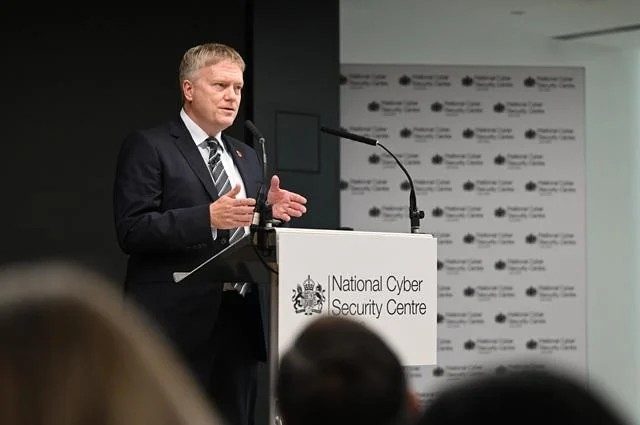
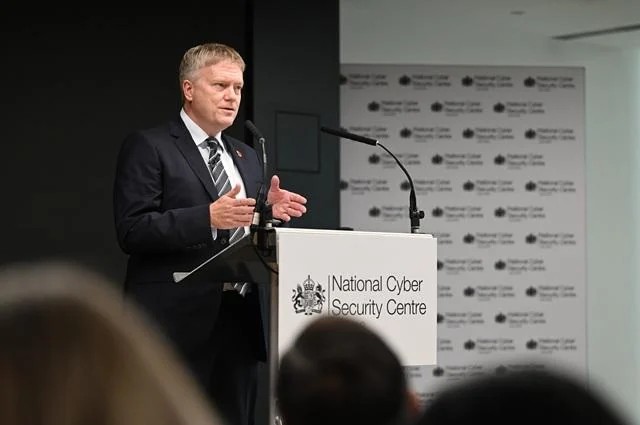
(Singapore, 04.11.2026)Cyberattacks that forced European supermarkets to discard food are an early warning of increasingly frequent disruptions as hackers exploit weaknesses in ageing technology, Britain’s cybersecurity chief has warned.
Richard Horne, chief executive of the National Cyber Security Centre (NCSC), said organisations faced the prospect of an unprecedented rise in cyber incidents, with artificial intelligence making existing vulnerabilities easier to discover and exploit.
His warning came as retailers across Europe scrambled to secure connected refrigeration equipment after hackers raised fridge and freezer temperatures, spoiling stock and disrupting operations.
According to Reuters and AFP reports, at least 11 European countries have been affected, including France, Belgium, Sweden, Germany, Italy, Romania and Britain. The latest wave followed similar attacks on French supermarkets three weeks earlier.
Horne described the refrigeration incidents as “just the foothills”, warning that longstanding weaknesses were leaving organisations exposed.
NCSC officials said advanced AI was probably unnecessary for these attacks because they targeted known vulnerabilities in older equipment. Horne stressed that the immediate AI threat came from its ability to exploit existing weaknesses at greater speed and scale, rather than from entirely new methods of attack.
Separately, the NCSC’s annual report assessed that a ransomware attack involving AI-powered malware against Britain’s critical infrastructure was highly likely by 2028.
Horne attributed the wider exposure to decades of underinvestment, with organisations keeping obsolete systems running, postponing upgrades and procuring services based on price without properly assessing their security.
He also criticised unnecessary access permissions and inadequate monitoring, warning that these weaknesses could contribute to unavailable food, interrupted electricity supplies and business failures.
The same neglect extended to systems controlling physical processes, from electricity switching and water facilities to manufacturing lines, heating and refrigeration. Although often treated separately from traditional IT, their security and resilience were too frequently overlooked in investment decisions, he said.
Retailers Rush to Secure Refrigeration Systems
The attacks have prompted supermarkets to disconnect equipment from the internet, upgrade systems and examine whether similar vulnerabilities exist elsewhere in their networks.
In Sweden, Coop said seven affected stores had resumed normal operations, although their refrigeration systems had been disconnected from the internet.
The chain is reviewing its wider network and accelerating a modernisation programme involving newer modems and a move from older 4G connections to 5G networks, building on work that began after the earlier French incidents.
Swedish grocer ICA said all 23 of its affected stores had refrigeration equipment connected outside its centrally managed network, highlighting the risks posed by connections beyond central oversight.
The incidents have also exposed the challenges facing supermarket groups operated by independent retailers, as differences in equipment and network arrangements complicate efforts to assess exposure and introduce consistent safeguards.
Germany’s Edeka, which reported an affected store in Reisbach, said refrigeration systems were not standardised across its independently operated network.
Carrefour experienced further disruption, with 15 stores in Belgium targeted after 80 franchised stores in France were hacked three weeks earlier.
Belgium was among the hardest-hit countries, with dozens of stores across several grocery chains reporting refrigeration failures and federal prosecutors opening an investigation.
In Italy, the government held emergency talks with intelligence officials and the National Cyber Security Agency, although it described the impact as highly limited and concentrated in outlets with outdated security systems.
Romanian authorities reported six affected outlets, with national cybersecurity director Dan Cimpean saying no other infrastructure had been compromised and describing the activity as apparently amateurish rather than state-backed.
Food Supply Chain Comes Under Scrutiny
The disruption has extended beyond supermarkets, with the British Association of Independent Meat Suppliers reporting that refrigerators at two member businesses had begun to defrost, while a third recorded a sharp rise in cold-unit temperatures.
Horne said the overall impact on British meat-processing businesses was limited, but the NCSC was on heightened alert and working with organisations to close vulnerabilities.
European authorities have called for a coordinated response, with EU food and agriculture commissioner Christophe Hansen describing the attacks as a deliberate attempt to disrupt the food supply chain.
Nobody has claimed responsibility, and the perpetrators and motive remain unknown.
Danfoss, whose refrigeration control systems were among those targeted, said it was helping customers and advised against making systems directly accessible through the internet.
Cybersecurity specialists urged retailers to identify vulnerable controllers, install updates and check manufacturer support, noting that disconnecting exposed systems can limit attackers’ access without resolving the underlying weaknesses.
Horne also highlighted AI’s potential to strengthen cyber defence by helping organisations find and fix vulnerabilities faster, while stressing that resilience depended on governance and accountability as well as technology.
Britain is developing a National Exposure and Real-Time Vulnerability Centre to use AI to identify weaknesses across critical infrastructure and the wider economy, alongside a proposed Cyber Security and Resilience Bill intended to establish minimum resilience requirements for critical infrastructure.