
























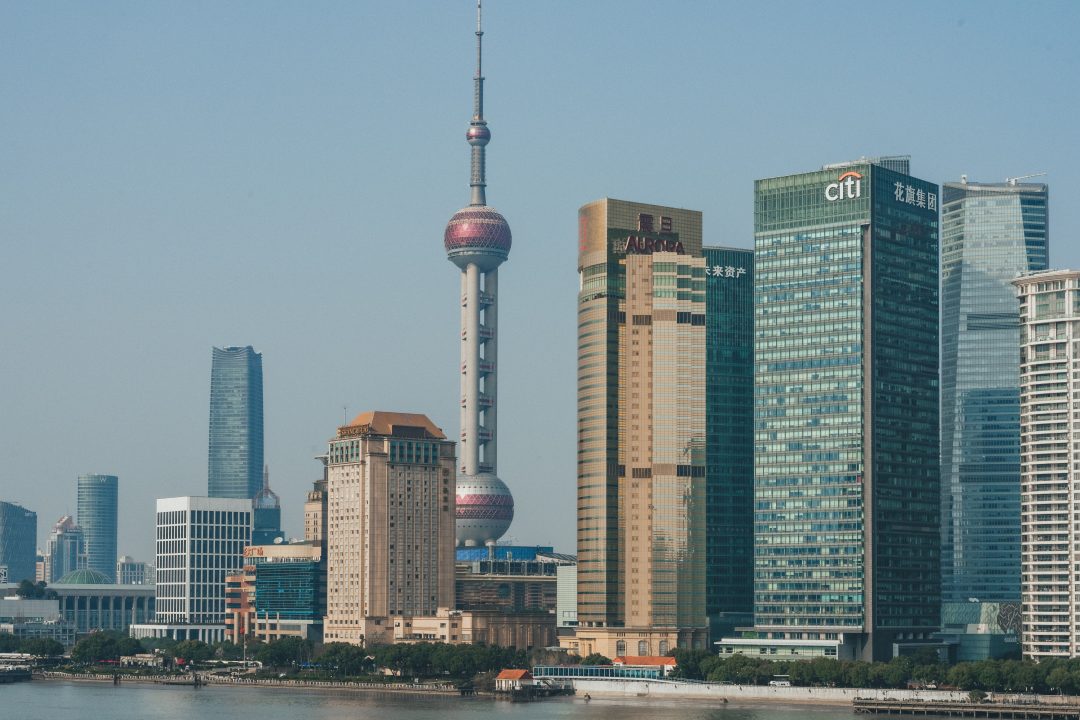
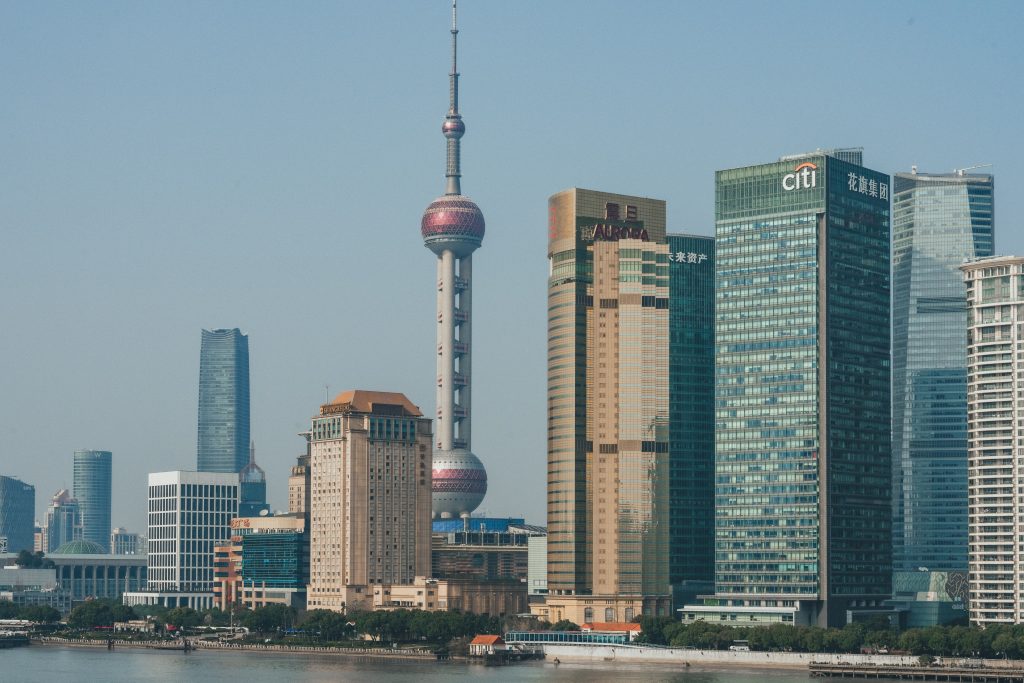
(Singapore, 23.10.2026)Citigroup has secured approval to establish a wholly owned securities business in China after a nearly five-year wait, giving the Wall Street bank a new platform to help clients raise capital, reach investors and trade in the world’s second-largest economy.
China’s securities regulator announced the approval on October 23, bringing Citi closer to expanding its domestic capital markets operations after a lengthy process complicated by changing Chinese data-security requirements and scrutiny from US regulators.
The Shanghai-headquartered business, Citigroup Securities (China) Co., will have registered capital of 1.2 billion yuan (S$220 million), according to Chinese regulators.
Its permitted services include underwriting, equities brokerage, trading in onshore securities, securities research and investment advisory for domestic and international clients, broadening the bank’s capabilities beyond its existing corporate and institutional banking operations.
The decision comes just weeks after Chinese President Xi Jinping and US President Donald Trump met in Washington, although the reports did not establish a direct connection between the meeting and the approval.
Building a Broader Platform for Chinese Companies
Citi applied for the wholly owned securities licence in late 2021, seeking to strengthen its mainland presence as international banks pursued greater access to China’s financial markets.
The approval allows the bank to connect domestic securities services with its international network, supporting clients that need both local financing and cross-border financial services.
“By adding onshore capabilities to our global platform, we will be able to do more for clients in China’s domestic capital markets,” Citi chief executive Jane Fraser said in a statement.
According to Bloomberg, the bank sees medium-sized and large private Chinese companies as potential future corporate leaders, with an opportunity to build relationships before those businesses require more complex financing.
The strategy is to provide banking services as companies grow, then support their capital-raising needs as they expand through global supply chains, making Citi a potential partner across different stages of their development.
Over the past couple of years, the bank has been building its commercial banking business in China through services such as trade finance, transaction banking and hedging, which help companies manage payments, working capital and financial risks.
The securities business would add another layer to those relationships, enabling Citi to offer domestic capital markets services alongside its established banking products.
The bank has also been recruiting ahead of the approval, including appointing a chief executive, chief financial officer and chief compliance officer for the securities operation.
A person familiar with the plans told Reuters in September that Citi aimed to roughly double the business’s headcount to around 100 people by the end of this year.
Despite the licensing delays, Citi already maintains mainland infrastructure that includes bond clearing and settlement services, corporate bond underwriting, domestic fund custody and services as a futures margin depository bank.
A Late Entry Into a Competitive Market
The approval nevertheless leaves Citi entering a market where international competitors have already established securities businesses, with Goldman Sachs, Morgan Stanley and UBS among the firms building their mainland operations.
Citi must also rebuild part of its own presence after dissolving its investment banking joint venture with Orient Securities in 2019, while its more recent withdrawal from consumer banking in China reflected a broader global retreat from retail operations.
Its latest expansion therefore centres on corporate and institutional clients, particularly businesses with international ambitions and investors requiring services across multiple markets.
That focus is consistent with the outlook Fraser outlined at a Citi conference in Shanghai in late 2025, when she described renewed interest from multinational corporations and Chinese companies as a driver of regional growth.
However, securing market access does not guarantee strong returns, as foreign securities firms have faced slowing economic growth, uneven capital markets activity and intense competition.
A recovery in stocks and deal activity last year helped Morgan Stanley Securities and UBS Securities record strong profit growth in 2025, according to Bloomberg, although newer entrants continued to struggle to break even.
Much of international banks’ China-related revenue still comes from Hong Kong listings and other offshore business, underscoring the challenge of turning global networks into substantial domestic market share.
Citi’s approval follows similar clearance for two Japanese financial firms last week, signalling continued access for foreign institutions even as Chinese equities experienced a sharp selloff.
For Citi, the immediate task is to translate its existing banking relationships and international reach into business for the new securities operation, while completing the staffing and operational work needed to serve clients locally.
Its progress will offer another indication of whether foreign banks can build commercially sustainable mainland securities businesses as Chinese companies seek financing at home and opportunities overseas.