




















(Singapore, 07.08.2026)Singapore has taken another step towards expanding its regional clean energy network, granting conditional approvals for two companies to import a combined 900 megawatts (MW) of electricity generated from solar power and battery storage systems in Malaysia.
The projects, both located in Johor, could begin commercial operations around 2029 and form part of Singapore’s wider strategy to diversify its energy sources, strengthen energy security and reduce carbon emissions from its power sector.
Singapore’s Energy Market Authority (EMA) granted conditional approval to Sembcorp Utilities for a proposed import capacity of 300MW, while Southern Solar Alliance, a wholly owned subsidiary of Malaysian renewable energy developer Ditrolic Energy Holdings, received approval for 600MW.
The combined 900MW of electricity would be enough to meet the annual electricity demand of about one million four-room HDB households, according to The Straits Times.
The approvals represent an early but important step in the development process. Before electricity can begin flowing into Singapore, both companies will still need to obtain regulatory approvals in the relevant jurisdictions, secure financing, conclude power purchase agreements with buyers and meet several project development milestones.
Major Floating Solar Project Planned in Johor
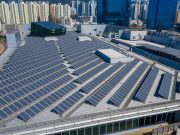
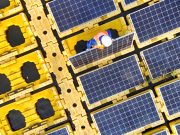
Sembcorp’s 300MW import plan will be supported by a large-scale renewable energy development at the Linggiu Reservoir in Johor. The project is expected to include a floating solar photovoltaic system with approximately 2.2 gigawatts-peak (GWp) of potential capacity, together with up to 4.3 gigawatt-hours (GWh) of battery energy storage.
Sembcorp will work with Malaysia’s state-owned KPRJ Environment and Qua Energy on the development, which is designed to supply energy demand in both Malaysia and Singapore.
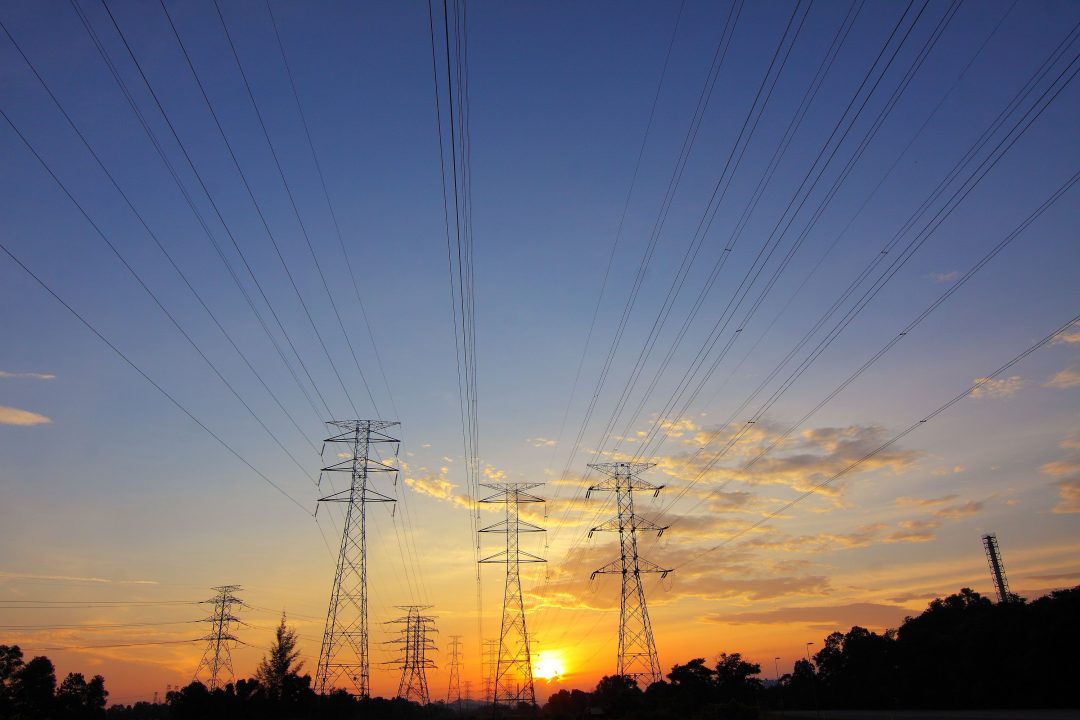
The company said the project would use existing and future subsea electricity interconnections between the two countries to enable cross-border power flows and strengthen regional energy connectivity.
Battery storage will be particularly important because solar generation varies depending on weather conditions and the time of day. Energy generated during periods of strong sunlight can be stored and supplied later, helping provide a more stable source of electricity for cross-border transmission.
Southern Solar Alliance’s larger 600MW proposal will similarly draw electricity from a solar and battery storage development in Malaysia, with commercial operations also targeted for around 2029.
The latest approvals build on a growing pipeline of cross-border electricity projects being considered by Singapore. EMA has so far granted conditional approvals and conditional licences to 13 electricity import projects involving Malaysia, Indonesia, Cambodia, Vietnam and Australia, with a combined capacity of about 9.25GW.
Not all of that capacity will necessarily be developed or imported. Singapore’s current target is to import around 6GW of low-carbon electricity by 2035, which is expected to account for roughly one-third of the country’s energy needs by then.
Cross-border electricity imports are becoming increasingly important to Singapore because the land-scarce city-state has limited options for producing renewable energy on a large scale domestically. It currently depends heavily on imported natural gas for electricity generation, while its power sector accounts for about 40% of national carbon emissions.
Importing renewable electricity from neighbouring countries therefore allows Singapore to tap into larger solar, wind and hydropower resources elsewhere in the region while gradually reducing the carbon intensity of its electricity supply.
Singapore-Malaysia Energy Links Deepen
The Johor projects also highlight growing energy cooperation between Singapore and Malaysia, as both countries explore ways to expand electricity trading and improve regional grid connectivity.
In October 2025, Singapore granted conditional approval for the import of up to 1GW of low-carbon electricity, mainly hydropower, from Sarawak. Singapore Energy Interconnections, Malaysia’s Tenaga Nasional Berhad and SP Group have also signed an agreement to conduct detailed feasibility studies for a second electricity interconnection of up to 2GW between Singapore and Peninsular Malaysia.
The existing electricity interconnection between the two countries can accommodate up to 1GW of two-way electricity flows.
Victor Nian, founding co-chairman of independent think-tank Centre for Strategic Energy and Resources, told The Straits Times that adding Malaysian solar power would help diversify Singapore’s clean electricity imports. Building experience in cross-border electricity trading could also strengthen Singapore’s position as a potential regional clean energy trading hub, he said.
Singapore’s approval process, however, means the latest projects still have several hurdles to clear. Conditional approval is only the first of three stages required before a company can receive a full electricity import licence from EMA.
At the first stage, EMA assesses whether a proposal appears technically and commercially viable, allowing the developer to proceed with more detailed studies. Projects that demonstrate their ability to meet requirements in both Singapore and the exporting country may subsequently receive a conditional licence before eventually securing a full importer licence.
The growing pipeline comes as Southeast Asian countries increasingly explore cross-border power trading to make better use of renewable resources across the region. Countries with abundant land, rivers or renewable energy potential can supply electricity to markets where domestic generation options are more limited.
For Singapore, Malaysia is particularly important because of its proximity and existing electricity infrastructure, which could make cross-border transmission more practical than some longer-distance projects.
EMA said the latest approvals reflected strong momentum in bilateral energy cooperation and that it would continue engaging companies with credible and commercially viable proposals that could support the decarbonisation of Singapore’s power sector.
If the Johor projects complete their remaining regulatory, commercial and financing requirements as planned, their targeted start in 2029 would bring Singapore another step closer to building a more interconnected regional electricity supply system.